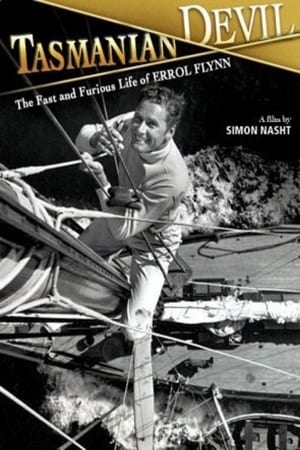
The story of Tasmanian-born actor Errol Flynn whose short & flamboyant life, full of scandals, adventures, loves and excess was largely played out in front of the camera - either making movies or filling the newsreels and gossip magazines. Tragically he was dead from the effects of drugs and alcohol by the time he was only 50 & the myths live on. But there is another side of Flynn that is less well known - his ambitions to be a serious writer and newspaper correspondent, his documentary films and his interest in the Spanish Civil War and Castro's Cuba
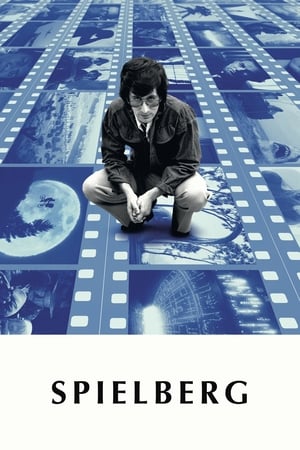
A documentary on the life and career of one of the most influential film directors of all time, Steven Spielberg.
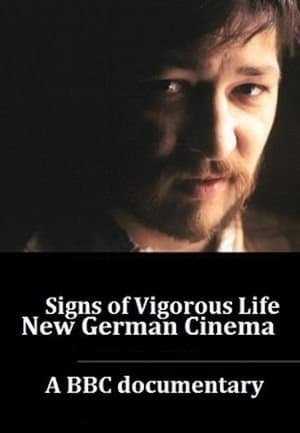
BBC documentary about the rise of the New German Cinema and several of its most important figures.
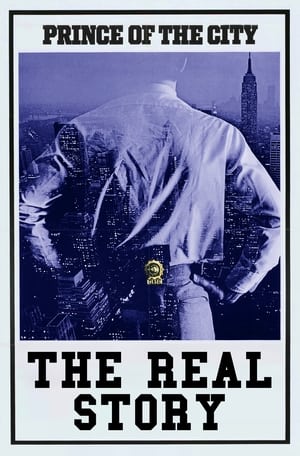
The true story behind the Prince of the City.
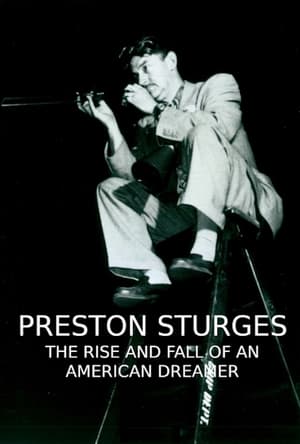
Documentary about the life and work of film director Preston Sturges.
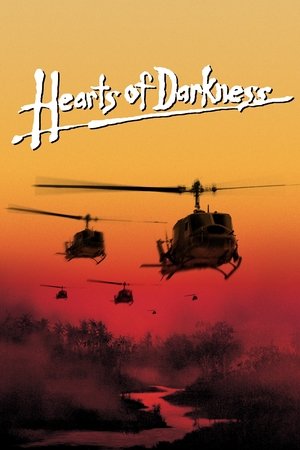
A chronicle of the production problems — including bad weather, actors' health, war near the filming locations, and more — which plagued the filming of Apocalypse Now, increasing costs and nearly destroying the life and career of Francis Ford Coppola.
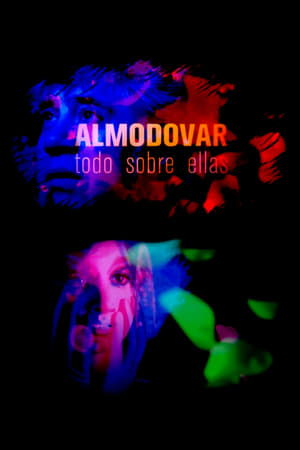
When looking at Pedro Almodóvar’s filmography, it becomes evident that women are everywhere; in fact, his work revolves around them. His divas are the best to create a real portrait of Almodóvar and evoke the emotional power of his films. These women are the ideal observers of a cinematic career that, from La Mancha to Hollywood, has changed the image of Spain in the world.
In this new program, choreographer Twyla Tharp remembers her collaboration with Milos Forman on Hair and explains how the entire project was put together.
in this new program, editors Lynzee Klingman and Stanley Warnow remember how they were given the opportunity to work on Hair and discuss the type of work they did to meet Milos Forman's requirements for the film.
in this new program, production designer Stuart Wurtzel recalls his initial encounter with Milos Forman and their professional relationship during the production of Hair.
In this new program, James Mangold (Cop Land, 3:10 to Yuma) discusses the enormous impact Milos Forman had on his maturation as a filmmaker.
A documentary about American film director Budd Boetticher
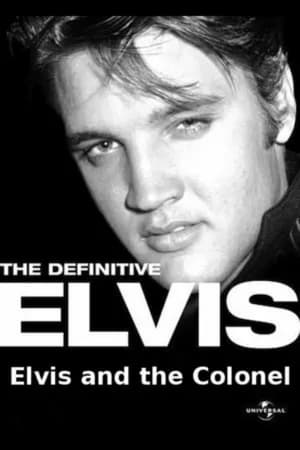
One of the dominating figures in Elvis Presley's life was his manager, who was known as the "Colonel". No other relationship in Elvis' life was as controversial and misunderstood as the one he had with Colonel Tom Parker. The truth about their unique friendship is revealed in this documentary.
An overview of the making of Terrence Malick's The New World (2005).
In this new program, actors Beverly D'Angelo, Don Dacus, Ellen Foley, Annie Golden, John Savage, and Dorsey Wright recall how they became involved with Hair, what it was like to work under the direction of Milos Forman, and era in which the film emerged, and how it impacted their acting ambitions and careers. (Some of Mr. Savage's comments are very emotional).
How are the sex scenes filmed? What tricks are used to fake the desire? How do the interpreters prepare and feel? Spanish actors and directors talk about the most intimate side of acting, about the tricks and work methods when narrating exposed sex. In Spain the general rule is that there are no rules. Each film, each interpreter, faces it in very different ways.
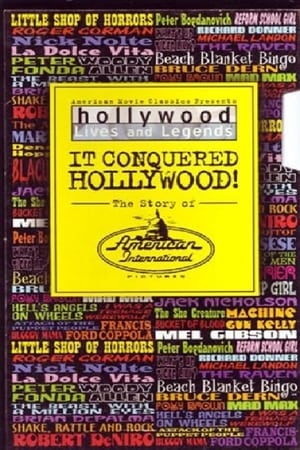
A 60-minute salute to American International Pictures. Entertainment lawyer Samuel Z. Arkoff founded AIP (then called American Releasing Corporation) on a $3000 loan in 1954 with his partner, James H. Nicholson, a former West Coast exhibitor and distributor. The company made its mark by targeting teenagers with quickly produced films that exploited subjects mainstream films were reluctant to tackle.
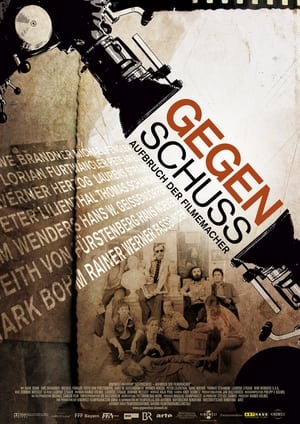
Documentary about filmmakers of the New German Cinema who were members of the legendary Filmverlag für Autoren (Film Publishing House for Authors). Among them are Werner Herzog, Rainer Werner Fassbinder, and Wim Wenders.
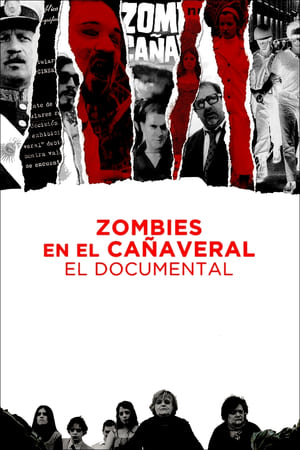
Tucumán, Argentina, 1965. Three years before George A. Romero's Night of the Living Dead was released, director Ofelio Linares Montt shot Zombies in the Sugar Cane Field, which turned out to be both a horror film and a political statement. It was a success in the US, but could not be shown in Argentina due to Juan Carlos Onganía's dictatorship, and was eventually lost. Writer and researcher Luciano Saracino embarks on the search for the origins of this cursed work.
Omnibus: François Truffaut