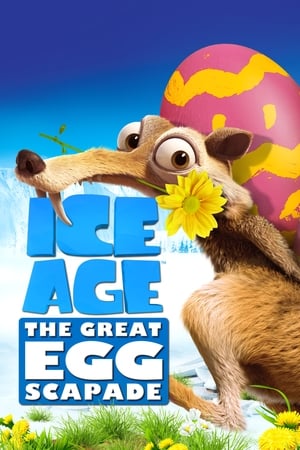
A harried prehistoric bird mother entrusts her precious, soon-to-hatch egg to Sid. When she recommends him to her neighbours, business booms at his new egg-sitting service. However, dastardly pirate bunny, Squint, who is seeking revenge on the herd, steals, camouflages and hides all the eggs. Once again, with Squint’s twin brother assisting, Manny, Diego and the rest of the gang come to the rescue and take off on a daring mission that turns into the world’s first Easter egg hunt.
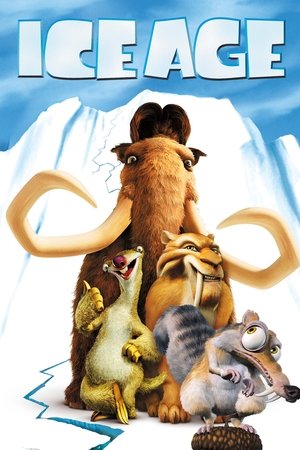
Manny the mammoth, Sid the loquacious sloth, and Diego the sabre-toothed tiger go on a comical quest to return a human baby back to his father, across a world on the brink of an ice age.
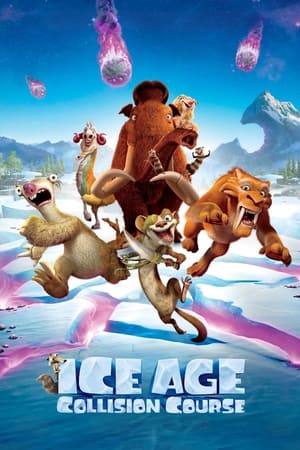
Set after the events of Continental Drift, Scrat's epic pursuit of his elusive acorn catapults him outside of Earth, where he accidentally sets off a series of cosmic events that transform and threaten the planet. To save themselves from peril, Manny, Sid, Diego, and the rest of the herd leave their home and embark on a quest full of thrills and spills, highs and lows, laughter and adventure while traveling to exotic new lands and locations.
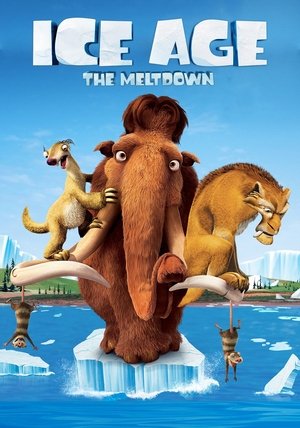
Diego, Manny and Sid return in this sequel to the hit animated movie Ice Age. This time around, the deep freeze is over, and the ice-covered earth is starting to melt, which will destroy the trio's cherished valley. The impending disaster prompts them to reunite and warn all the other beasts about the desperate situation.
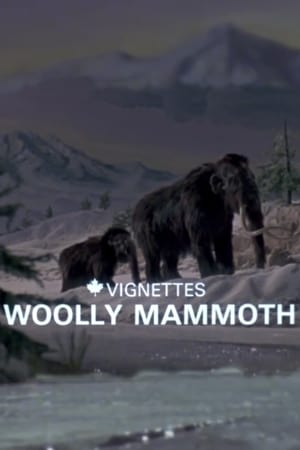
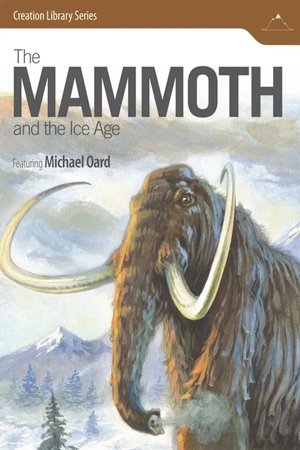
An animated film showing a woolly mammoth and its offspring. These animals lived on the Canadian tundra over ten thousand years ago.
A funny solution to a scientific puzzle. The animation presents an alternative version of the extinction of mammoths. A certain female mammoth could be blamed for that. It consistently did not want to spend time with a male mammoth.
When a deep space fishing vessel is robbed by a gang of pirates, the Captain makes a daring decision to go after a rare and nearly extinct species. His obsession propels them further into space as the crew spins toward mutiny and betrayal.
A unique story on the discovery of a 40-thousand-year-old, perfectly preserved baby woolly mammoth. Cutting edge science and Arctic adventure come alive in this story of a unique discovery: a perfectly preserved baby woolly mammoth that suddenly appears on a Siberian riverbank, triggering an extraordinary investigation into her life and death at the end of the Ice Age. Solving the mystery of her origins unites men whose lives are worlds apart except for their link to the woolly mammoth.
In the remote Russian Arctic, an aging scientist and his son are trying to recreate the Ice Age. They call their experiment Pleistocene Park – a perfect home for woolly mammoths, resurrected by modern genetics. But the mammoths are only a means to a bigger end: defusing a carbon timebomb frozen in the permafrost to slow the effects of global warming.
A scientist wants to recover some mammoth DNA to clone a live mammoth. So he finds a buried mammoth in the vast, rock hard permafrost of Siberia, digs it out in the middle of a blizzard and flies it home. Of course he needed a little help. So he befriended an arctic nomad who knows ever rill, rock, pond and stream in the entire region. As background to the quest, National Geographic relates the migratory history of the mammoth family.
Since the disappearance of the last male northern white rhino in 2018, only a mother and daughter remain as representatives of the species in a Kenyan reserve. Mammoths, which became extinct 4,000 years ago, are attracting the interest of the private American laboratory Colossal Biosciences. Its researchers are working to produce ex vivo (with artificial wombs) embryos from cells harvested from mammoths, liberated from the thawed soils of Siberia, and from Asian elephant oocytes, 99.6% of whose genome matches that of the ancient mastodon. They hope to have their first baby mammoth by 2028.
During the last Ice Age, millions of large animals roamed the Earth, from wooly mammoths and giant sloths to cave lions and saber-toothed cats. But as the temperatures rose, three-quarters of these species died out. What happened? Can environmental changes alone really explain this mass extinction, or did humans - who at this very time were beginning their conquest of the planet - play a key role? To find out, researchers around the world are hunting and studying fossils in their search for answers to solve the mystery of the Ice Age giants.
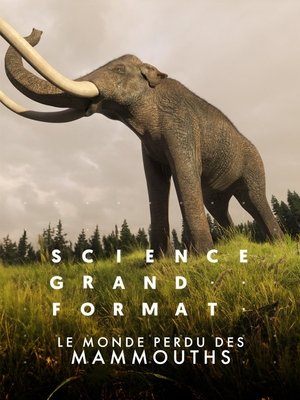
Le monde perdu des mammouths
A documentary about the 1999 discovery of a Mastodon skeleton in a Hyde Park backyard.
One Million B.C. is a 1940 American fantasy film produced by Hal Roach Studios and released by United Artists. It is also known by the titles Cave Man, Man and His Mate, and Tumak. The film stars Victor Mature as protagonist Tumak, a young cave man who strives to unite the uncivilized Rock Tribe and the peaceful Shell Tribe, Carole Landis as Loana, daughter of the Shell Tribe chief and Tumak's love interest, and Lon Chaney, Jr. as Tumak's stern father and leader of the Rock Tribe.
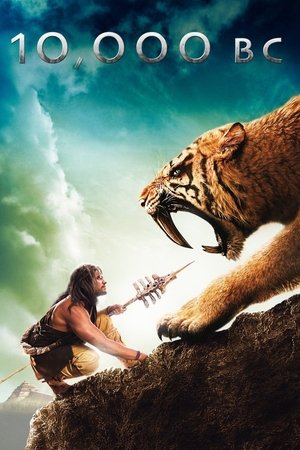
A prehistoric epic that follows a young mammoth hunter's journey through uncharted territory to secure the future of his tribe.
Four schoolboys go on an awe-inspiring expedition back through time, where they behold landscapes and creatures that have long since vanished from the earth.
A well-preserved mammoth carcass is found in the remote New Siberian Islands in the Arctic Ocean, opening up the possibility of a world-changing “Jurassic Park” moment in genetics.
Titans of the Ice Age transports viewers to the beautiful and otherworldly frozen landscapes of North America, Europe and Asia ten thousand years before modern civilization. Dazzling computer-generated imagery brings this mysterious era to life - from saber-toothed cats and giant sloths to the iconic mammoths, giants both feared and hunted by prehistoric humans.
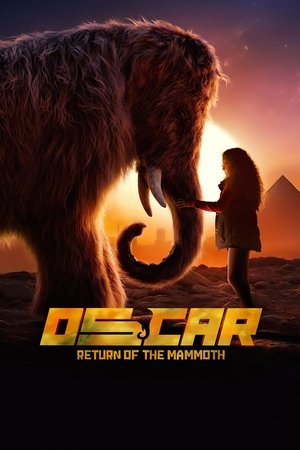
Its events revolve around the return of the mammoth, a giant extinct creature, to life as a result of scientific experiments through genetic modifications, and for some reason the creature exists and grows in the heart of Cairo.