"Like" it or not, Facebook wants you to share everything, but how much information are they willing to share with you?
Nuclear energy: a clean energy for the future or a risk for humanity? As the European Union has classed nuclear as a green energy, France is building new power plants whilst Germany is decommissioning them. An in depth look at the future of atomic energy in the coming decades.
Three girls die before they turn 21. They all become overnight internet sensations. In spirit they are changing the world, but what is happening to the people they left behind? How do you say goodbye, when death goes viral?
Today, hundreds of kilometers above our heads, millions of pieces of trash are orbiting randomly at breakneck speed. Scientists are now warning that, if nothing is done, the exploration outside our planet, and communications systems within, will be almost impossible within 30 years. How can we collect the space trash and avoid future disasters?
Capturing CO2 to recycle it, brightening clouds to better intercept sunlight, massive reforestation: here's an overview of scientific solutions to combat global warming that offer a glimmer of hope.
TGV M : La Techno du nouveau fleuron de la SNCF
In 2011, photographer Tanja Hollander decided to visit each one of her Facebook "friends" (all 626 of them) in their homes and make formal portraits of each of them. Armed with her cameras and iPhone, Tanja traveled throughout the U.S. and around the world for 5 years, meticulously documenting her experiences in real time and creating a historical narrative, both visual and written, along the way. Her project is an exploration of friendships, the effects of social networks, the intimate places we call home and the communities in which we live.
A video cassette that accompanied Play Tech's Mr. Wizard's Science Secrets kit (#1001), produced in 1994, which included 25 props and a booklet used to demonstrate a variety of physics principles.
The first American space station Skylab is found in pieces scattered in Western Australia. Putting these pieces back together and re-tracing the Skylab program back to its very conception reveals the cornerstone of human space exploration.
If you want teaching that is fun and exciting, you need Check This Out! This creative, cutting-edge new movie is loaded with six mini-videos, each covering a distinct “hot topic” in the creation/evolution debate and each answering the controversy at warp speed! Fully animated and colorful, this video is excellent for everyone—especially teens and college students. The six amazing mini-videos in Check This Out explain: Radiometric Dating (3:18) Fossils and the Flood (3:22) The Origin of Races (3:38) Pain & Suffering (2:16) The Nature of Science (3:55) Evolution Refuted (2:36)
A documentary in 10 chapters, built around interviews addressing the complex topic of personal data: how we use the web, the excesses, hopes brought by GDPR, local solutions, etc. The documentary is available on Peertube instances: https://peertube.fr/videos/watch/ea2d5153-4704-4a6e-8a13-d09a411c9760
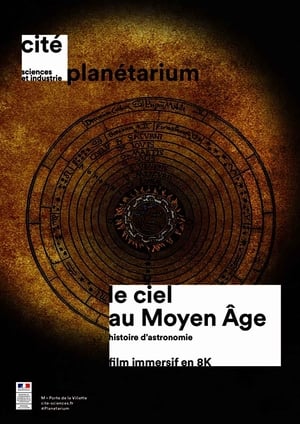
Le Ciel au Moyen-Âge, Histoire d’Astronomie
Airbus : la techno des géants du ciel
Le Rafale : Avion secret défense
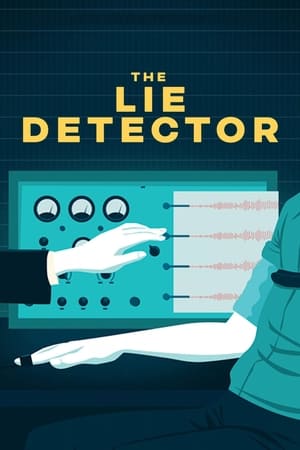
In the first decades of the 20th century, when life was being transformed by scientific innovations, researchers made a thrilling new claim: they could tell whether someone was lying by using a machine. Popularly known as the “lie detector,” the device transformed police work, seized headlines and was extolled in movies, TV and comics as an infallible crime-fighting tool. Husbands and wives tested each other’s fidelity. Corporations routinely tested employees’ honesty and government workers were tested for loyalty and “morals.” But the promise of the polygraph turned dark, and the lie detector too often became an apparatus of fear and intimidation. Written and directed by Rob Rapley and executive produced by Cameo George, The Lie Detector is a tale of good intentions, twisted morals and unintended consequences.
Artificial intelligence is taking on different roles in the filmmaking space. The questions we must ask ourselves are: what are the pros and cons of this advancement? How can we work with it, and what power do we have as human beings in the face of this technology?
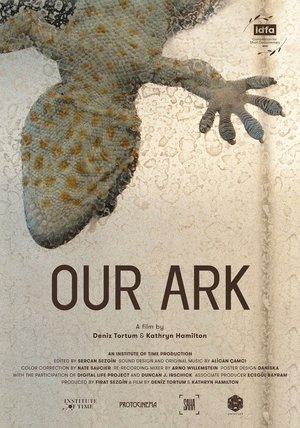
OUR ARK is an essay film on our efforts to create a virtual replica of the real world.
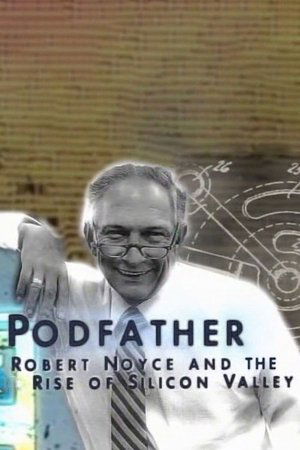
Documentary telling the story of silicon chip inventor Robert Noyce, godfather of today's digital world. Re-living the heady days of Silicon Valley's seminal start-ups, the film tells how Noyce also founded Intel, the company responsible for more than 80 per cent of the microprocessors in personal computers.
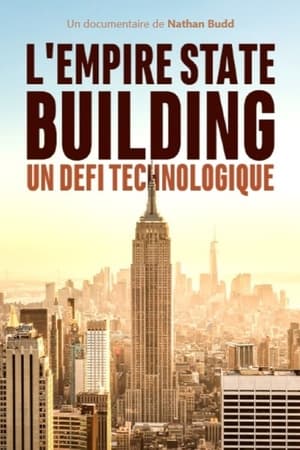
Secrets of the Empire State Building
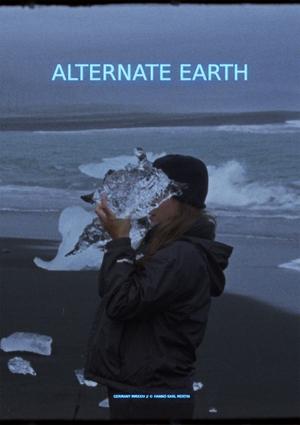
A scientific expedition travels to an alternative Earth in hope of finding a new home for humanity, which has destroyed its own planet. But is it even possible to escape old patterns?