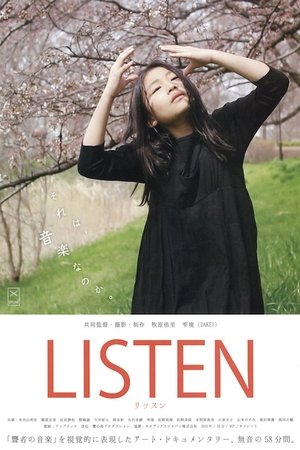
Documentary without audio produced by deaf people. Music is depicted visually with the complete absence of musical instruments or voices. Directed by Makihara Eri and choreographer Dakei. With a diverse lineup including ordinary deaf people with zero acting experience and a choreographer who performs in Japan and abroad, this film pulls out all the tops to give visual expression to music through the physical body. An aging man uses multiple sign language poems to convey the four seasons, and a girl expresses the wind amidst the rustling trees.
Ijó Dudu: Memórias da Dança Negra na Bahia
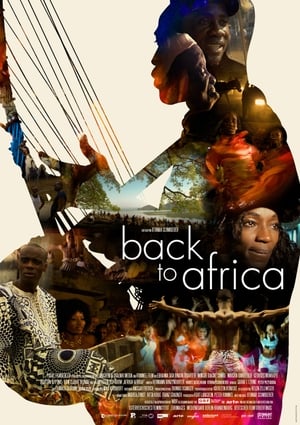
An Austrian director followed five successful African music and dance artists with his camera and followed their lives for a year. The artists, from villages in Ghana, Gambia and Congo, were the subjects of Africa! Africa! touring across Europe, but they have unbreakable roots to their homeland and their families. Schmiderer lovingly portrays his heroes, who tell their stories about themselves, their art and what it means to them to be African with captivating honesty. The interviews are interwoven with dance scenes and colourful vignettes set to authentic music.
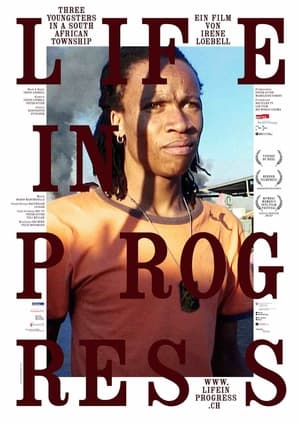
Life in Progress
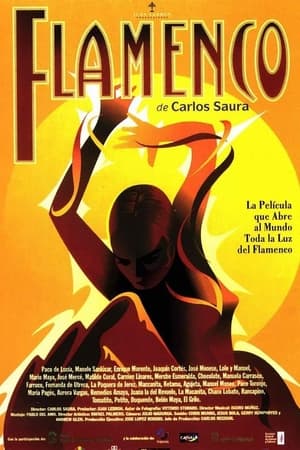
The film presents thirteen rhythms of flamenco, each with song, guitar, and dance: the up-tempo bularías, a brooding farruca, an anguished martinete, and a satiric fandango de huelva. There are tangos, a taranta, alegrías, siguiriyas, soleás, a guajira of patrician women, a petenera about a sentence to death, villancicos, and a final rumba.
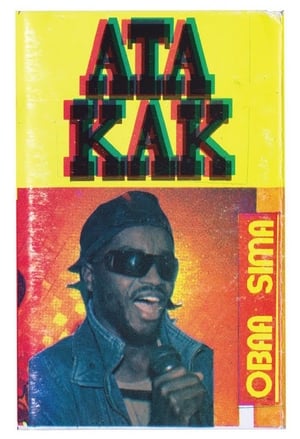
After Awesome Tapes From Africa's Brian Shimkovitz found the energetic, ecstatic music of Ghanaian musician Ata Kak, the tunes became beloved around the world. It was all unbeknownst to the artist himself -- his music was even unknown to those living in his hometown in Ghana. Years of tireless searching ensued, and eventually the Los Angeles-based label owner found a lead. Ata Kak - Time Bomb follows the search that Shimkovitz undertook as well as the visit to Ghana that took place once he found him. It is a celebration of great tunes and how, when it hits the right audience at the right time, music can touch people in a way that you never imagined.
Dance Revolutionaries is a captivating exploration of raw emotion through dance set in stunning locations, showcasing Portraits – five solo dances, and an innovative production of the rarely-seen ballet, Sea of Troubles.
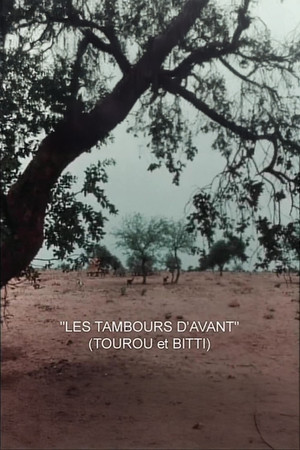
Filmed in May 1971 in Niger, this short documentary records a possession ritual performed by the Simiri people in response to a locust invasion. The ceremony centers on the beating of the archaic drums Tourou and Bitti, used to invoke spirit forces through music, dance, and trance. Shot in a single continuous take, the film documents a concentrated moment of collective ritual practice, reflecting Jean Rouch’s first-person ethnographic approach and direct participation in the event.
Son rêve à lui
An experimental short comprising a few dance numbers.
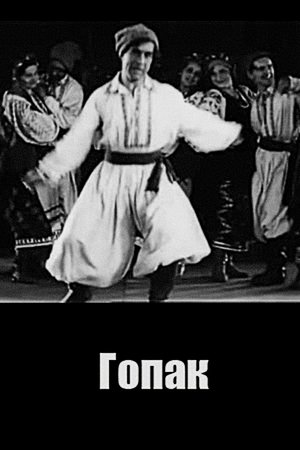
This short documentary profiles the traditional music and pageantry of Polish-Canadians in Manitoba. The heritage and national traditions of Poland were brought to Canada by immigrants and sustained across generations. The colourful traditional dress and lively music of Polish-Canadians is captured by ethnomusicologist Laura Boulton, a pioneering woman in the educational documentary film movement whose goal was to “capture, absorb, and bring back the world’s music.”
An Orange Waiting to Be Eaten
And The Heads Keep On Movin
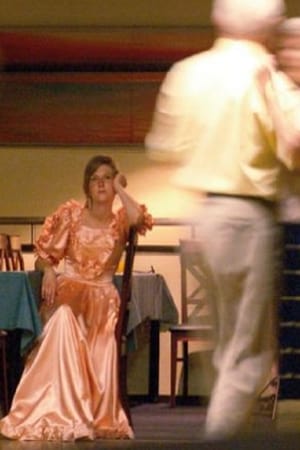
An overdressed girl tries her luck in dance events that are for Finnish tourists in a small Estonian health resort town, Pärnu.
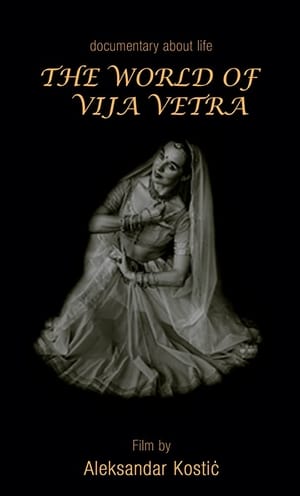
This documentary tells the fascinating story of Vija Vetra, a world-renowned Latvian dancer, choreographer and teacher. At the age of 84, Vetra remains a vital and creative force, and her tale offers inspiration for both artists and lovers of the arts. In a career spanning seven decades, she has mastered diverse styles ranging from ballet to traditional Indian dance, and her talent has won her acclaim as a 'spirit in human form' and 'the bridge between East and West.' Her life is a celebration of the power and beauty of the art of dance, but is also a powerful story of struggle, loneliness and sacrifice. Her creative , positive spirit stands alone against a materialistic world that is constantly changing. Her wise soul, her point of view and criticism towards the modern world push us to think about secret meanings, symbols and the simplicity of life.
Filmed in 1983, during the presentation of Peter Weiss' play at the Fred Barry theater at UQAM. This document exposes us to a play dealing with the Shoah, and its intention to present the medium of video as a specific language.
This film follows the process of creating Eating Your Heart Out. This work of art presented at São Paulo Biennal of Arts in 2004, was the first collaboration between the Portuguese artists Rui Chafes (sculptor) and Vera Mantero (choreographer and dancer). The result is a huge iron sculpture where the dancer performs a mysterious play, suspended in the air, with paintings all over her body.
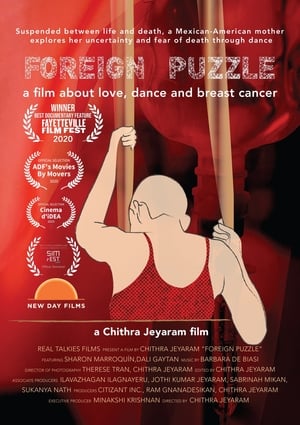
Foreign Puzzle is an intimate documentary that captures the journey of an inspiring Mexican American dancer as she communicates the impermanence of life through dance while juggling the roles of a recently divorced parent of a 6-year-old, a choreographer and a primary school teacher amidst intensive treatments for breast cancer.
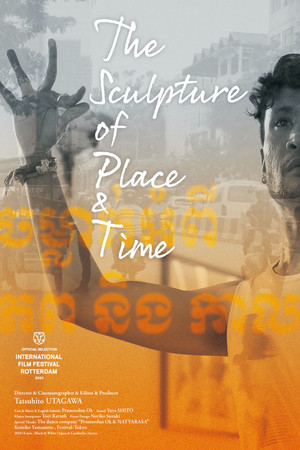
Phnom Penh-based dancer Prumsodm Ok—a Cambodian-American and pioneer of the first Cambodian gay dance company Prumsodun Ok & NATYARASA—demonstrates the meticulous form of Khmer dance. This short draws a parallel between the nature of film as a time machine and the dancing human body as both fundamentally dynamic and temporal. Within the frame beckons a prayer for healing and empowerment in the face of violence and conflict.
Delve into five minds behind the captivating dance video RATIH, as the talented crews unveil the intricate choreography, stunning visuals, and the creative process that brought it to life.