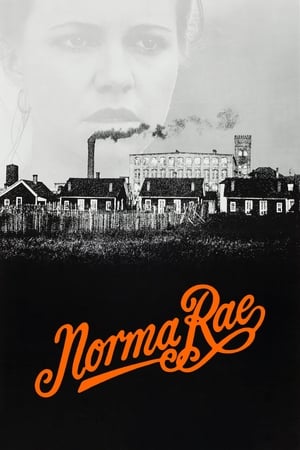
Like most of the people in her town, Karen Silkwood works at the local nuclear plant producing highly radioactive plutonium. Exposed one day to a lethal dose of radiation, Karen faces the blank walls of corporate indifference and denial. As her illness increases, her protest grows louder and she becomes an obvious danger to the powers that be.
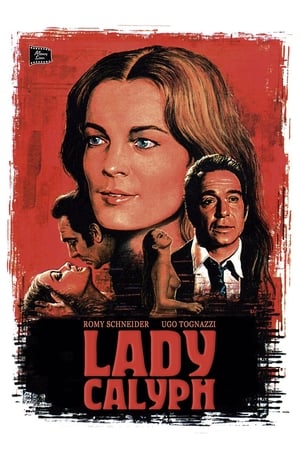
La Califfa's husband was killed during the strikes so she takes the side of the strikers. Her conflict with the plant owner Doverdo gradually turns into a love relationship.
In post-World War I Winnipeg, a Ukrainian immigrant and a Jewish woman get caught up in a labour strike.
Robert moves from the Polish countryside to work on a fish processing factory on the coast of Norway. There he falls in love with Ivar who is openly gay and a member of the workers union. Robert is hiding his sexual orientation from the other Polish immigrant workers. When Ivar helps the Polish to start a strike for better working conditions at the factory, Robert has to choose between money or love.
Megan Carter is a reporter duped into running an untrue story on Michael Gallagher, a suspected racketeer. He has an alibi for the time his crime was allegedly committed—but it involves an innocent party. When he tells Carter the truth and the newspaper runs it, tragedy follows, forcing Carter to face up to the responsibilities of her job when she is confronted by Gallagher.
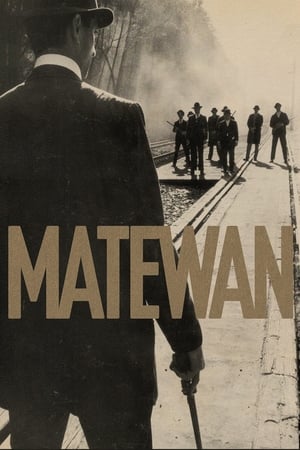
Filmed in the coal country of West Virginia, "Matewan" celebrates labor organizing in the context of a 1920s work stoppage. Union organizer, Joe Kenehan, a scab named "Few Clothes" Johnson and a sympathetic mayor and police chief heroically fight the power represented by a coal company and Matewan's vested interests so that justice and workers' rights need not take a back seat to squalid working conditions, exploitation and the bottom line.
Emma Freese is desperate when her husband Alfred falls ill at the Howaldtswerke in Kiel. How is the family supposed to get by without their wages? The war has scarred this generation, but now things are supposed to be looking up. The workers want their fair share and are fighting for an income that also gives them room to live. In October 1956, 34,000 metalworkers in the shipyards and factories of Schleswig-Holstein walk off the job to fight for justice and their dignity. This strike is still regarded as the toughest and longest in Germany. Employers and politicians stand in the strikers' way.
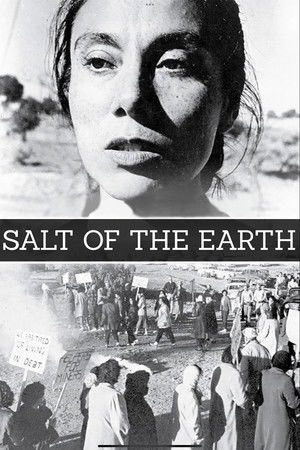
At New Mexico's Empire Zinc mine, Mexican-American workers protest the unsafe work conditions and unequal wages compared to their Anglo counterparts. Ramon Quintero helps organize the strike, but he is shown to be a hypocrite by treating his pregnant wife, Esperanza, with a similar unfairness. When an injunction stops the men from protesting, however, the gender roles are reversed, and women find themselves on the picket lines while the men stay at home.
In response to a sudden dismissal of staff, workers at a big retail store begin a protest against their employer's oppressive labor policies.
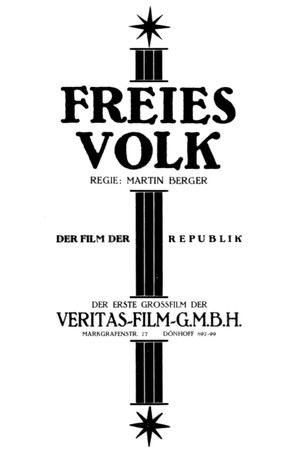
The workers in a small plough factory take over the firm, but when a large order falls through, the old management come back to help out.
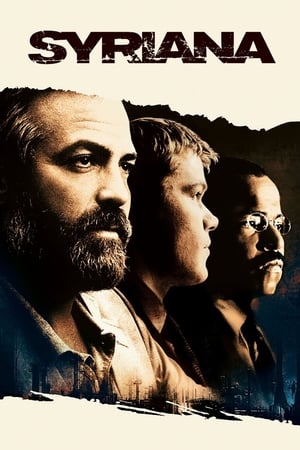
The Middle Eastern oil industry is the backdrop of this tense drama, which weaves together numerous story lines. Bennett Holiday is an American lawyer in charge of facilitating a dubious merger of oil companies, while Bryan Woodman, a Switzerland-based energy analyst, experiences both personal tragedy and opportunity during a visit with Arabian royalty. Meanwhile, veteran CIA agent Bob Barnes uncovers an assassination plot with unsettling origins.
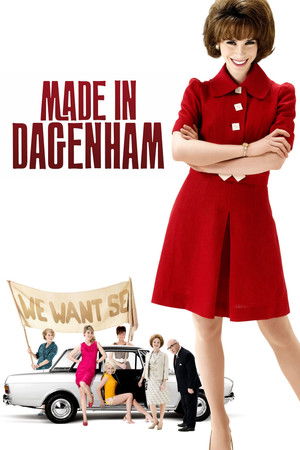
The true story of a strike in 1970 by female textile-factory workers in Leeds who wanted to be paid the same as their male colleagues, but whose efforts were undermined by the trade union that they belonged to.
"A", a member of a student protest organization, becomes disenchanted by his group's inability to effect real change. Emboldened to pursue more radical methods by the older, experienced leftist organizer Despard, "A" unwittingly becomes party to a labor strike that turns violent. Ultimately held responsible by the authorities for the fracas, "A" allies himself with terrorist Leonard, who intends to avenge those jailed in the protest.
Purple Leone is an experimental short film exploring how trends emerge and spread across the world. Through a blend of visuals and sound, it reflects on influence, identity, and the subtle forces behind global culture. A quiet, atmospheric look at what drives what we follow.
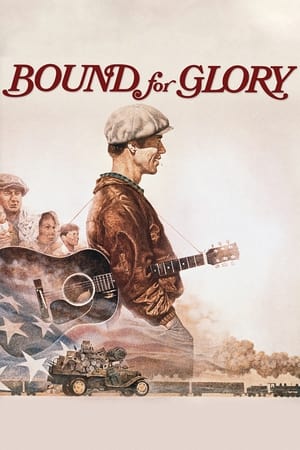
A biography of Woody Guthrie, one of America's greatest folk singers. He left his dust-devastated Texas home in the 1930s to find work, discovering the suffering and strength of America's working class.
Mary Rafferty comes from a poor family of steel mill workers in 19th Century Pittsburgh. Her family objects when she goes to work as a maid for the wealthy Scott family which controls the mill. Mary catches the attention of handsome scion Paul Scott, but their romance is complicated by Paul's engagement to someone else and a bitter strike among the mill workers.
In the late 19th century, a former high school teacher turned unionist tries to organize workers laboring with inhuman conditions at a textile factory in Turin, Italy.
Anna and Joe are newly married, playful and deeply in love. Joe is scraping by as cab driver in New York City during a period of corruption, mob control and violence between cab companies.
Maya is a quick-witted young woman who comes over the Mexican border without papers and makes her way to the LA home of her older sister Rosa. Rosa gets Maya a job as a janitor: a non-union janitorial service has the contract, the foul-mouthed supervisor can fire workers on a whim, and the service-workers' union has assigned organizer Sam Shapiro to bring its "justice for janitors" campaign to the building. Sam finds Maya a willing listener, she's also attracted to him. Rosa resists, she has an ailing husband to consider. The workers try for public support; management intimidates workers to divide and conquer. Rosa and Maya as well as workers and management may be set to collide.
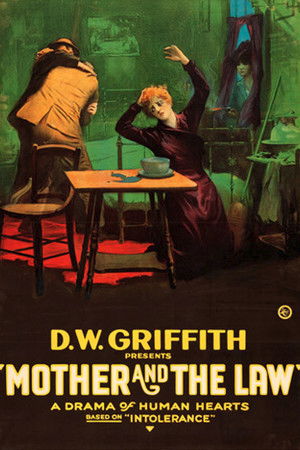
To recoup losses from the extravagant roadshow presentations of Intolerance (1916), Griffith would revisit his epic film three years later by releasing two of the film's previously interlocked stories as standalone features, with additional footage and new title cards. The second of these was 'The Mother and the Law', which demonstrates how crime, moral puritanism, and conflicts between ruthless capitalists and striking workers cause ruin to the lives of marginal Americans.