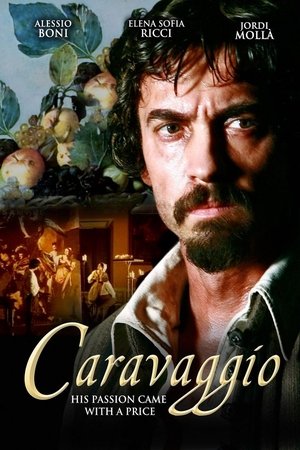
Caravage - Dans la splendeur des ombres
THE STORY WON’T DIE, from Award-winning filmmaker David Henry Gerson, is an inspiring, timely look at a young generation of Syrian artists who use their work to protest and process what is currently the world’s largest and longest ongoing displacement of people since WWII. The film is produced by Sundance Award-winner Odessa Rae (Navalny). Rapper Abu Hajar, together with other creative personalities of the Syrian uprising, a post-Rock musician (Anas Maghrebi), members of the first all-female Syrian rock band (Bahila Hijazi + Lynn Mayya), break-dancer (Bboy Shadow), choreographer (Medhat Aldaabal), and visual artists (Tammam Azzam, Omar Imam + Diala Brisly), use their art to rise in revolution and endure in exile in this new documentary reflecting on a battle for peace, justice and freedom of expression. It is an uplifting and humanizing look at what it means to be a refugee in today’s world and offers inspiring and hopeful vantages on a creative response to the chaos of war.
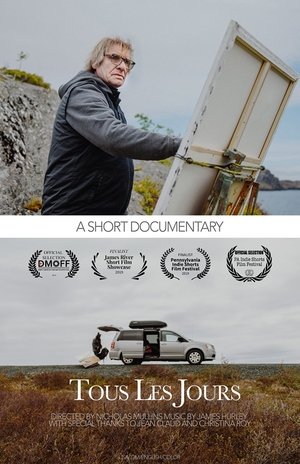
In rocky Newfoundland, renowned French artist Jean Claude Roy gathers his paints and sets off to face the day. Whether it be freezing snow, violent wind, or pouring rain, he commits vibrant colors to canvas and conquers the day by weaving crooked beauty out of difficulties.
A film adaptation of the novelette of the same title written by Dominik Tatarka depicts the life of a young generation of artists that was formed in Slovakia during the war. Anabella, a young and beautiful girl meets a group of artists. She awakens their erotic desires but also pure feelings of love; she becomes the object of their secret fantasies as well as their artistic inspiration. And it seems that the boundaries between reality and fantasy suddenly cease to exist.
Gauguin’s vivid artworks sell for millions. He was an inspired and committed multi-media artist who worked with the Impressionists and had a tempestuous relationship with Vincent van Gogh. But he was also a competitive and rapacious man who left his wife to bring up five children and used his colonial privilege to travel to Polynesia, where in his 40s he took ‘wives’ between 13 and 15 years old, creating images of them and their world that promoted a fantasy paradise of an unspoilt Eden in the Pacific. Later, he challenged the colonial authorities and the Catholic Church in defence of the indigenous people, dying in the Marquesas Islands in 1903, sick, impoverished and alone.
We Remember Marilyn. Marilyn Monroe transforms from Norma Jean, a cuddly teenager, into the most recognizable face and body in the world in these home movies, photos and film clips which span her early bit parts to her most known roles.
Famed French artist, photographer, writer and actor Hervé Guibert riveting self-portrayal of his last months and journies living with AIDS. Hervé is seen here in this film with his Panasonic video camera documenting his life. The scenes are shot from June 1990 through March 1991 in Paris France and a respite on the island of Elba. The film was first shown on TF1 (French Television 1) on January 20th, 1992, shortly after his death on December 27th, 1991. The film portrays a very personal look into the human condition.
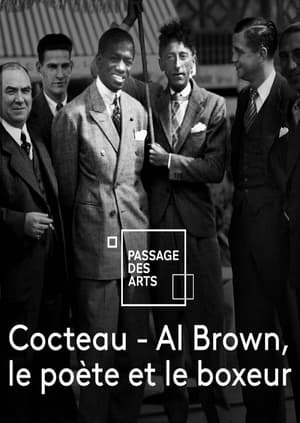
Portrait of Panama Al Brown, a great boxer in the 30's, and its story with France, with a focus on its relationship with Jean Cocteau, surrealist, poet, director, artist.
This documentary recounts the life and work of one of most famous, and yet reviled, German film directors in history, Leni Riefenstahl. The film recounts the rise of her career from a dancer, to a movie actor to the most important film director in Nazi Germany who directed such famous propaganda films as Triumph of the Will and Olympiad. The film also explores her later activities after Nazi Germany's defeat in 1945 and her disgrace for being so associated with it which includes her amazingly active life over the age of 90.
Federico Fellini died on October 31st, 1993. Thirty years later, he is still considered as one of the most irreverant moviemaker in the history of cinema. Through a long-previously-unseen interview, directed by Jean-Christophe Rosé in 1981, through extracts of his films and through behind-the-scenes, this documentary draws an intimate portrait of Fellini by himself.
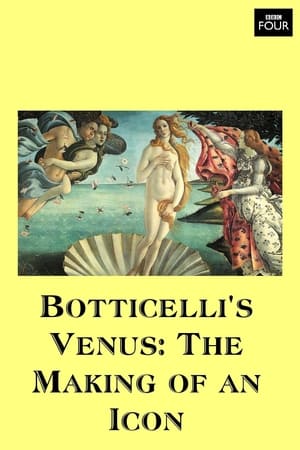
Sam Roddick explores the enduring appeal of Botticelli's masterpiece The Birth of Venus, one of the most celebrated paintings in western art. A joyous celebration of female sexuality, its journey to worldwide fame was far from straightforward and it lay in obscurity for centuries. Artist and entrepreneur Sam explains why Botticelli's nude was so revolutionary, and explores its impact on contemporary culture with artists such as Terry Gilliam, who memorably reinvented Venus for his Monty Python's Flying Circus animations.
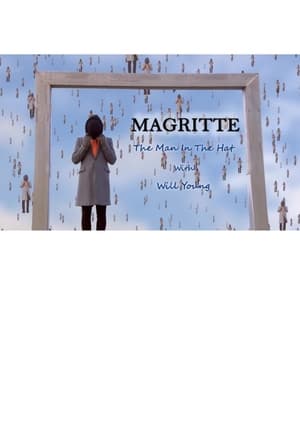
In this film, Will Young travels to Magritte's native Belgium to find out more about the man whose trademark was a bowler hat and whose apparently conventional exterior concealed the mind of a subversive rebel. Will uncovers a childhood marked by tragedy, a marriage that lasted from Magritte's adolescence until his death in 1967, and a stunning artistic legacy which endures to this day.
A surrealist home movie, filmed by Luis Buñuel in Cadaqués in 1930, focusing on Salvador Dalí's father and his wife.
In the 1960s, British painter Francis Bacon surprises a burglar and invites him to share his bed. The burglar, a working class man named George Dyer, accepts. After the unique beginning to their love affair, the well-connected and volatile artist assimilates Dyer into his circle of eccentric friends, as Dyer's struggle with addiction strains their bond.
Loosely based on the Charles Dickens' classic novel, "Great Expectations" is a sensual tale of a young man's unforgettable passage into manhood, and the three individuals who will undeniably change his life forever. Through the surprising interactions of these vivid characters, "Great Expectations" takes a unique and contemporary look at life's great coincidences.
Matthew Perry: Not Just Friends
When the Cows Come Home introduces audiences to Tilly and Maggie, a pair of cows that musician, journalist, artist and cow whisperer, Andrew Johnstone has befriended and subsequently saved from slaughter. The garrulous herdsman is enthusiastic to expound his views on animal husbandry, bovine communication and the vagaries of life in general, before the film walks us back through the events that have shaped the singular farmer-philosopher. From personal family tragedy to warring with Catholic school authorities, innovating in Hamilton’s nascent music scene to creating guerrilla art installations; Johnstone’s life has had a truly idiosyncratic trajectory. Mental health issues may have seen him retreat to life on the farm, but the film makes clear its subject’s restless inquisitiveness is far from being put out to pasture.
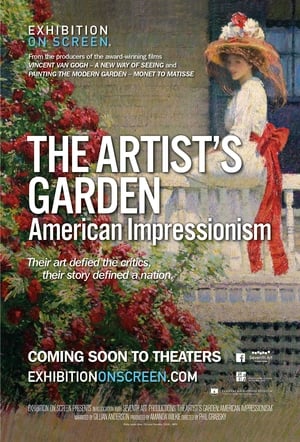
Taking its lead from French artists like Renoir and Monet, the American impressionist movement followed its own path which over a forty-year period reveals as much about America as a nation as it does about its art as a creative power-house. It’s a story closely tied to a love of gardens and a desire to preserve nature in a rapidly urbanizing nation. Travelling to studios, gardens and iconic locations throughout the United States, UK and France, this mesmerising film is a feast for the eyes. The Artist’s Garden: American Impressionism features the sell-out exhibition The Artist’s Garden: American Impressionism and the Garden Movement, 1887–1920 that began at the Pennsylvania Academy of the Fine Arts and ended at the Florence Griswold Museum, Old Lyme, Connecticut.
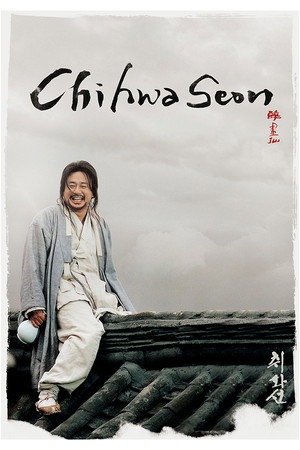
In a time of political and social unrest in 19th century Korea, uncouth, self-taught painter Jang Seung-up explores his natural talent amidst the repressive world around him.
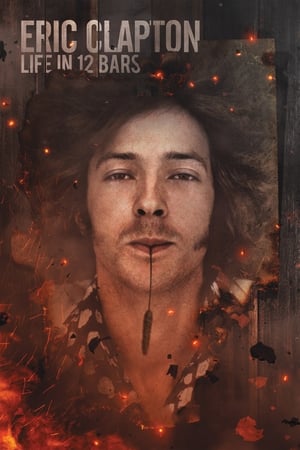
An unflinching and deeply personal journey into the life and work of guitarist Eric Clapton told through his own words and songs.