United States is a short-lived half-hour comedy-drama that NBC added to its Tuesday primetime schedule in March 1980. Larry Gelbart, the show's executive producer and chief writer, said the name United States was not a reference to the country but rather to "the state of being united in a relationship". Gelbart envisioned a series that would be "a situation comedy based on the real things that happen in my marriage and in the marriages of my friends". Episodes tackled such topics as marital infidelity, household debt, friends who drink too much, death within the family, and sexual misunderstandings. United States focused on Richard and Libby Chapin, an upwardly mobile couple who lived in a Los Angeles suburb. Beau Bridges played Richard, and Helen Shaver played Libby. Gelbart reverted to black-and-white script for the show's titles. He said that was to convey the mood of "a sophisticated '30s film." Gelbart also avoided use of background music and a laugh track. Scripts featured dialogue such as, "Just for once I'd like to be treated like a friend instead of a husband," and "Maybe you and Bob can go out and get yourselves one redhead with two straws." United States premiered at 10:30 p.m. on March 11, 1980. NBC pulled it from the schedule within two months, after only six of 13 episodes had aired. The remaining episodes were not broadcast until 1986, when the A&E cable channel aired United States.
Set in 1960-1970 New York, this sexy, stylized and provocative drama follows the lives of the ruthlessly competitive men and women of Madison Avenue advertising.
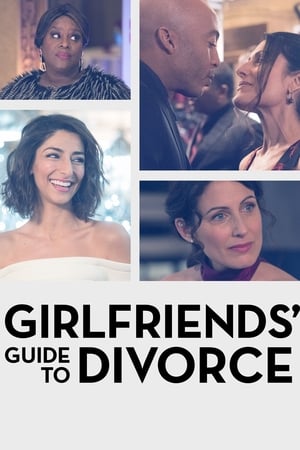
Catch up with Harper, Robyn, Jordan, Lance, Quentin, Shelby, Candace, and Murch as their relationships evolve and past grievances resurface in the unpredictable stages of midlife crisis meets midlife renaissance.
Follow the lives of three women in Nairobi as they deal with the challenges that marriage, friendship, relationships, and their careers throw at them.
Follow the Murphy family back to the 1970s, when kids roamed wild, beer flowed freely and nothing came between a man and his TV.
Married Single Other is a British relationship drama miniseries created and written by Peter Souter for ITV and UTV. The lives of three couples in different stages of their relationships are followed: Dickie and Babs are married, Clint and Abbey are single, and Eddie and Lillie are in the 'other' category — together for years but never wed.
Fujita Jun and her husband Yoshio, married for 15 years, live in a rural area near Kichijoji. Jun works as a university clerk. while Yoshio works remotely. Together, they create a historical meal recipe using local ingredients.
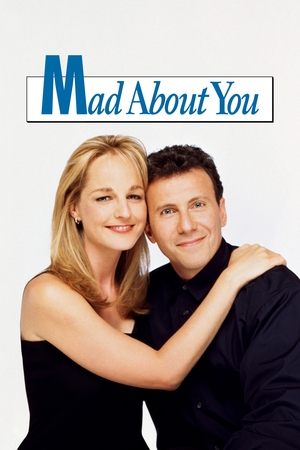
Young, urban newlyweds Paul and Jamie Buchman try to sustain their marital bliss while sidestepping the hurdles of love in the '90s.
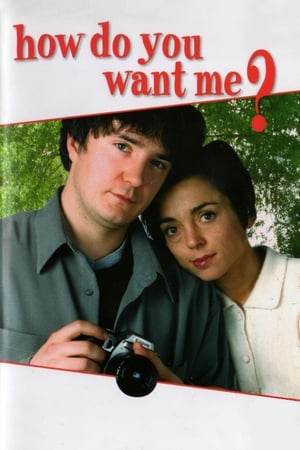
Following their marriage, Ian and Lisa move back to the village where she grew up, a village still dominated by her family. In order to try to fit in, Ian takes a job as the village photographer, a profession for which he is not really cut out.
Paula Russell is the producer of a soap opera called All is Forgiven who just married a donut executive with a teenage daughter.
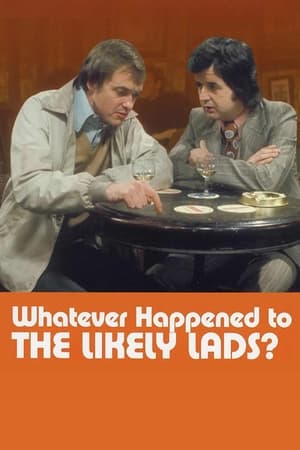
Whatever Happened to the Likely Lads? is a British sitcom which was broadcast between 9 January 1973 and 9 April 1974 on BBC1. It was the colour sequel to the mid-1960s hit The Likely Lads. It was created and written, as was its predecessor, by Dick Clement and Ian La Frenais. There were 26 television episodes over two series; and a subsequent 45-minute Christmas special was aired on 24 December 1974. The cast were reunited in 1975 for a BBC radio adaptation of series 1, transmitted on Radio 4 from July to October that year. In 1976, a feature film spin-off was made. Around the time of its release, however, Rodney Bewes and James Bolam fell out over a misunderstanding involving the press and have not spoken since. This long-suspected situation was finally confirmed by Bewes while promoting his autobiography in 2005. Unlike Bewes, Bolam is consistently reluctant to talk about the show, and has vetoed any attempt to revive his character.
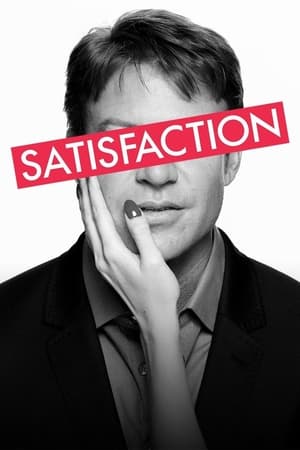
A provocative drama that explores modern marriage at its midpoint. Through the lens of one couple, Neil Truman and his wife, Grace, this series answers the question, “What do you do when having it all is not enough?” by delving into their shocking and unconventional choices.
Jodha Akbar is an epic drama about a sixteenth century story of the political marriage of convenience between a Mughal emperor Abu'l-Fath Jalal ud-din Muhammad Akbar and a Rajput princess Jodha Bai. The show focuses on how their political marriage brings love between them to an extent that it changed the fate of India. This period drama also portrays the wars of that time along with the relations between the Mughals and the Rajputs. The drama also focuses on the functioning of the queens, the courts, courtesans, the ministers and their influence on the love story of Jalal ud-din Muhammad Akbar and Jodha Bai. The show also highlights on how Mughal emperor Jalal ud-din Muhammad acquires the title of Akbar from the people.
Beauty and the Baller is a single-camera TV comedy series about a pro athlete, his hot wife and what their life is like off of the court. Despite their fame and fortune, at the end of the day John and Deena Castle are just like any other couple when it comes to resolving problems, managing family and friends, and making sure the love that brought them together keeps them together.
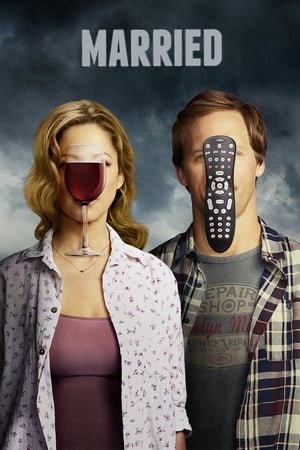
A funny, honest, behind-the-curtain look at the psychological and emotional complexities of marriage and the charged dynamics of a tight-knit group of friends grasping on to what's left of their youth.
Disillusioned after a long career at Sunshine Desserts, Perrin goes through a mid-life crisis and fakes his own death. Returning in disguise after various attempts at finding a 'new life', he gets his old job back and finds nothing has changed. He is eventually found out, and in the second series has success with a chain of shops selling useless junk. That becomes so successful that he feels he has created a monster and decides to destroy it. In the third and final series he has a dream of forming a commune which his long suffering colleagues help bring to reality. Unfortunately that also fails and he finds himself back in a job not unlike the one he originally had at Sunshine Desserts.
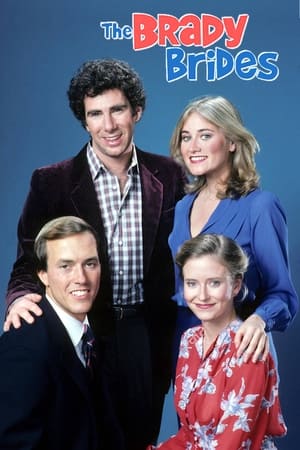
Marcia and Jan Brady marry their sweethearts -- total opposites -- and both couples move in together in this spin-off of The Brady Bunch, which features recurring appearances by Carol and Alice.
A separated couple live together for their child's sake in this satirical dramedy about what it means to be a good parent and spouse in today's world.
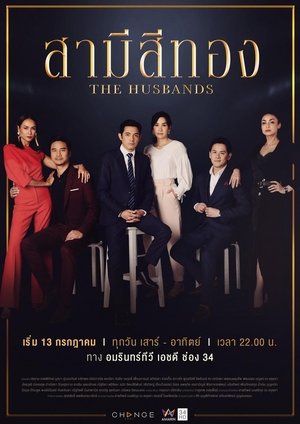
3 middle aged men in constant conflict with life about their wives, friends, children and everyday situations.
Urban romantic drama Happily Ever After? depicts six leading characters – middle-aged nobody Poon Sin-yan; perfect wife Cheung Ming-sum; charming guy Kam Shing-kwan; gold digger Lui Ching-lam; helpless and hopeless romantic Lui Ching-hoi; and kidult-cum-dating app player Ching Tin-fai – in a polyamorous relationship love story. And the four chapters are: Divorce, Infidelity, Misplaced Love and Repair. Each episode’s subject corresponds to the related chapter. And the narration is based on the visual perspective of one or two leading characters so as to show different versions of the plot line. Emphasis is placed on those who are preoccupied by switching between narrator, visual perspective and time and space. Moreover, conflict and suspense in the story reflect certain issues in romantic partnerships in real life.