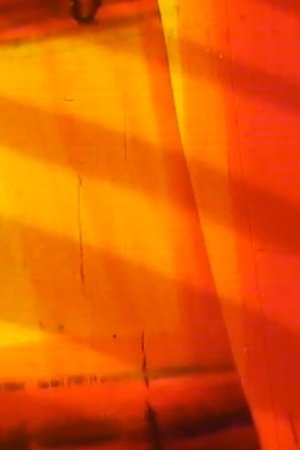
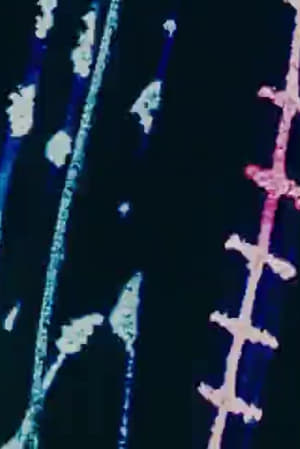
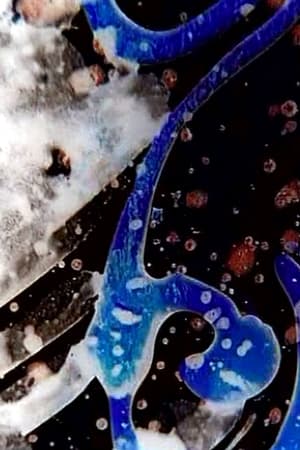
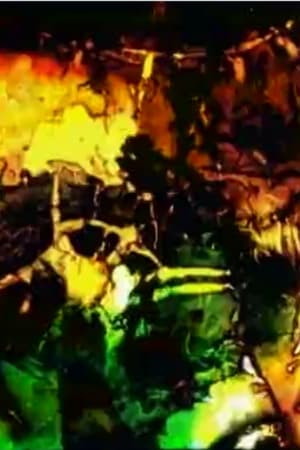
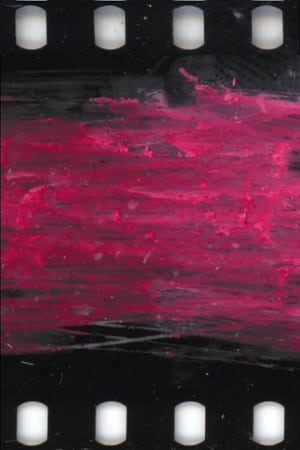
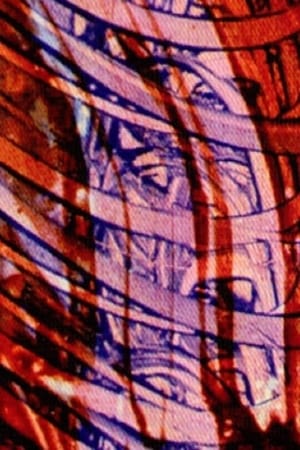
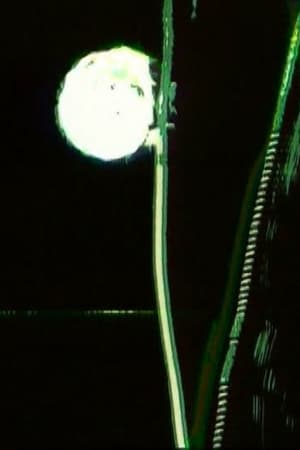
One of Rimmer's early 2000s video works which he made by hand-painting 35mm film, running it on a flatbed viewer, and shooting it off the screen with a video camera to then subject it to further manipulation.
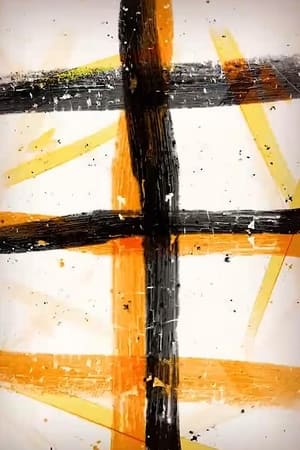
Handmade, direct animation film using rubber based masking material and colored dye. Rhthmic colored linear patterns of abstract grids move in syncopation to the allegro from the Brandenburg Concerto #3 in G Major by J.S. Back. Inspired by the handmade films of Norman McLaren, who once told Larry over milkshakes that Allegro was the best film he had seen made in 16mm.
Brazilian animated film, hand-painted on 35mm film. The first version of this 1957 film, a single copy drawn and painted directly onto blank 35mm film, was sent to and lost during the Rio de Janeiro International Film Festival in 1968. Roberto Miller remade the film using other images and the original soundtrack.
A film about uncanny valleys and the space between. Painted 16mm film undergoes a monstrous transformation becoming neither analog nor digital.
Len Lye usually timed his films with great care to match their soundtracks, but for All Souls Carnival, he and composer Henry Brant worked separately, preferring to see if the score and visual track would synchronise by chance. Lye also experimented with a new Direct Film technique, drenching the filmstrip in colourful paint and marker pen.
Each portrayed painter produced an experimental animated short film to be featured in this film. A short film by Herbert Seggelke.
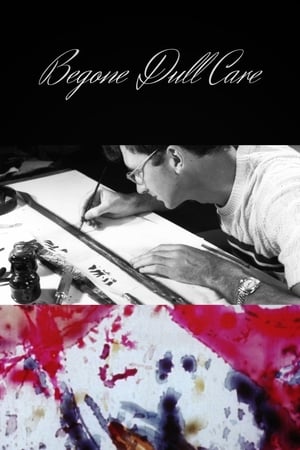
An intimate look at cinematographic creation, this visual essay shares with us secrets of the legendary Canadian animator Norman Mclaren and his personal view of filmmaking.
"Leiberg embarks on a search for the interaction between painting and improvised music, tinkering with sound collages sets language and sounds against each other (...) Leiberg works with real-movie sequences and uses his pictorial color and form vocabulary as a design element in the film. He primarily uses the resulting films in their capacity as a depot of moving light images in order to project them onto the bodies of dancers in the performances. (Christoph Tannert in "Gegenbilder", p. 39f;)
Christopher Becks’s Pan of the Landscape uses gorgeous Brakhage-like painting on film to un-Brakhage-like ends: spectacular skies combine with the slow, mechanical movement of a silhouetted form to produce a biting melancholy, as if Becks is mourning the film’s removal from the world it glimpses.
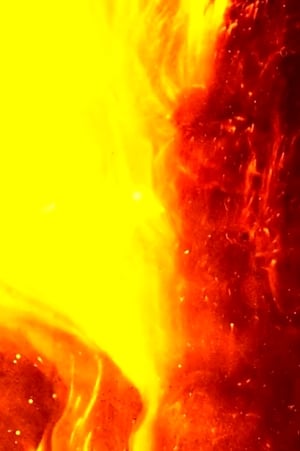
Portrait of a catastrophe, these are times of fire.
Direct animation on 35mm.
Tigre is an experimental film with animation applied directly onto film.
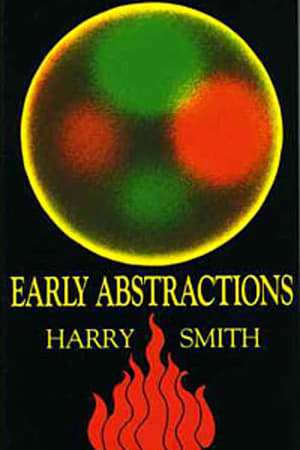
Early Abstractions is a collection of seven short animated films created by Harry Everett Smith between 1939 and 1956. Each film is between two and six minutes long, and is named according to the chronological order in which it was made. The collection includes Numbers 1–5, 7, and 10.
Abstract film set to electronic music.
In this extraordinary short animation, Evelyn Lambart and Norman McLaren painted colours, shapes, and transformations directly onto their filmstrip. The result is a vivid interpretation, in fluid lines and colour, of jazz music played by the Oscar Peterson Trio.
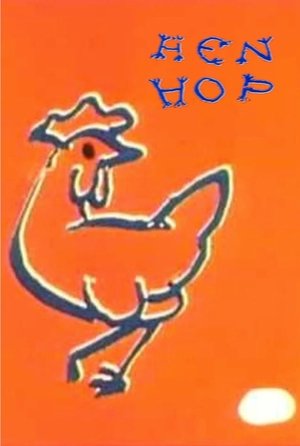
This joyful short animation features a dancing hen that transforms into an egg. The film was made without a camera by Norman McLaren, who drew directly onto 35 mm movie stock with ordinary pen and ink. Colour was added optically.
An attempt to constitute a human / machine dialogue. It shows the filmmaker’s blood as seen / heard with the eyes / ears of the machine which is a film projector with optical sound. He affixed his blood onto clear film leader by cutting into the flesh and then pressing the film leader onto the wound. Additionally he had blood taken with a syringe and afterwards dripped it on the film leader. fresh and clotted blood was used.
In 1944 Lye moved to New York City, initially to direct for the documentary newsreel The March of Time. He settled in the West Village, where he mixed with artists who later became the Abstract Expressionists, encouraged New York’s emerging filmmakers such as Francis Lee, taught with Hans Richter, and assisted Ian Hugo on Bells of Atlantis. Color Cry was based on a development of the “rayogram” or “shadow cast” process, using fabrics as stencils, with the images synchronized to a haunting blues song by Sonny Terry, which Lye imagined to be the anguished cry of a runaway slave. —Harvard Film Archive
An experiment in pure design by film artists Norman McLaren and Evelyn Lambart. Lines, ruled directly on film, move with precision and grace against a background of changing colors, in response to music specially composed for the films.
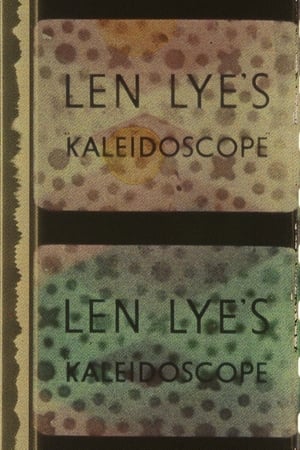
For Kaleidoscope, which was sponsored by Churchman Cigarettes, Lye animated stenciled cigarette shapes and is said to have experimented by cutting out some of the shapes so that the light of the projector hit the screen directly. As in Colour Box Lye uses music by Don Baretto and his Cuban Orchestra. - Harvard Film Archive