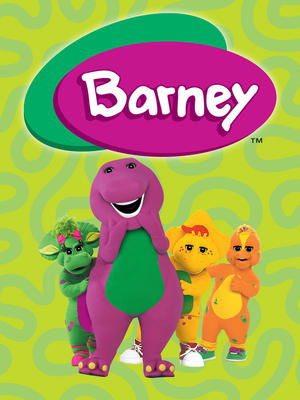
Barney & Friends is an American children's television series aimed at children from ages 2 to 5. The series, which first aired on April 6, 1992, features the title character Barney, a purple anthropomorphic Tyrannosaurus rex who conveys educational messages through songs and small dance routines with a friendly, optimistic attitude.
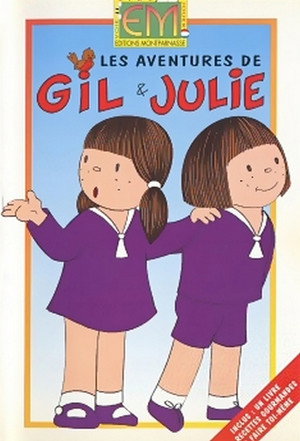
Shows the daily life of Gil and Julia with their friends.
Naftaline is a girl who uses her imagination to create various stories full of adventures.
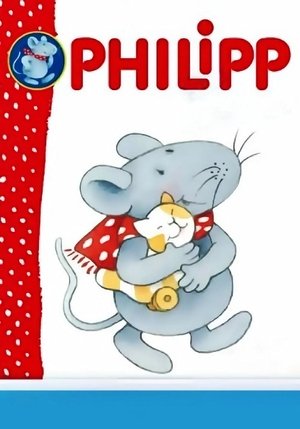
Philip, a lovely mouse, is indomitable, intelligent, and very imaginative. Together with his toy cat, he embarks from adventure to adventure, mastering the small quirks of everyday life.
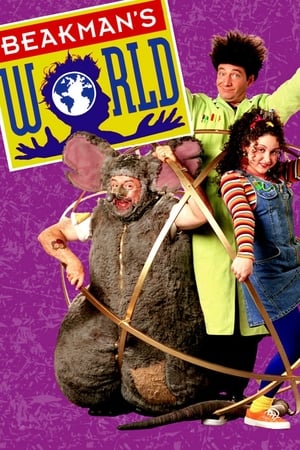
Beakman's World is an educational children's television show. The program is based on the Universal Press Syndicate syndicated comic strip You Can with Beakman and Jax created by Jok Church. The series premiered September 18, 1992 on The Learning Channel cable network and in national syndication. On September 18, 1993 it moved from national syndication to CBS Saturday morning children’s lineup. At the peak of its popularity, it was seen in nearly 90 countries around the world. The series was canceled in 1998. Reruns returned to national syndication in September 2006, after which it was transferred to local stations such as KICU. The show debuted a year prior to Bill Nye the Science Guy, which covered similar topics. The show's host, Paul Zaloom, still performs as Beakman in live appearances around the globe.
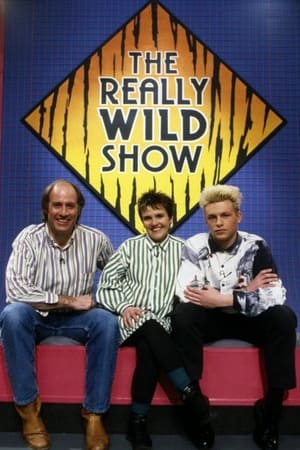
The Really Wild Show was a long-running British television show about wildlife, broadcast by the BBC as part of their CBBC service to children. It also runs on Animal Planet in the US. The show was broadcast continuously since 21 January 1986. In April 2006 the BBC announced that the show would be axed that summer, and as such the last ever episode was shown in April 2006, giving the show a run of 20 years.
Nat Geo Lab Brasil
The publication of a new dictionary titled The Great Passage progresses. Mitsuya Majime, originally from publisher Genbu Shobo's sales department, has been recruited by Kouhei Araki, a veteran editor of the dictionary department who is looking to retire soon. The dictionary department is known internally as the "money-eating insect," but Mitsuya uses his perseverance and attachment to the words in order to become a great editor. Mitsuya, who has poor social skills, finds himself working with another man named Masashi Nishioka, who is able to express himself better.
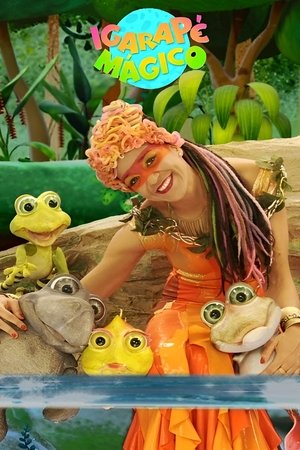
Aimed at children, particularly children between the ages of three and six, this series portrays the culture and importance of preserving the Amazonian fauna and flora through the routine of characters typical of the region who live in a stream being represented in the form of dolls.
Občanka
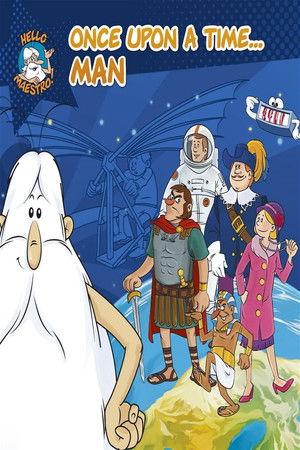
The history of mankind from prehistoric times to the 20th century.
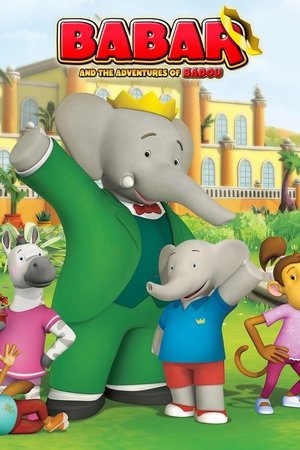
An updated version of the classic series, following King Babar, and Badou, his 8-year-old grandson.
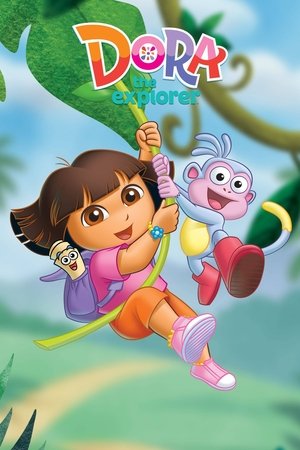
A young girl named Dora goes on adventures with her red boot-wearing monkey named Boots.
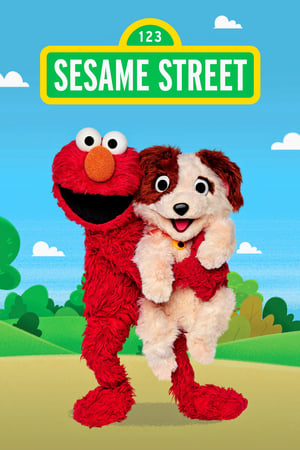
On a special inner city street, the inhabitants—human and muppet—teach preschoolers basic educational and social concepts using comedy, cartoons, games, and songs.
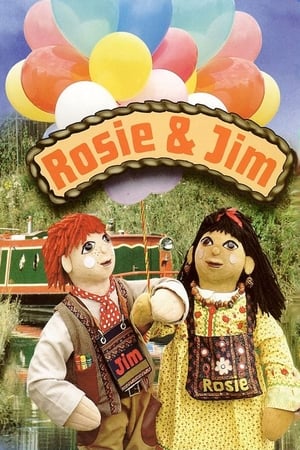
Rosie and Jim was a British children's television programme produced by Ragdoll Productions which aired on CITV from 3 September 1990 to 11 December 2000.
FUN EDUCATIONAL videos for children! Kids will learn colors, learn shapes, learn numbers, learn letters, the alphabet, abc's and so much more with Blippi's nursery rhymes, educational songs, and educational videos! Blippi ties in things children love like Backhoes, Tractors, Planes, Trains, Animals, Boats, Unicorns, Construction Equipment, Firetrucks, Horses, and the list goes on!
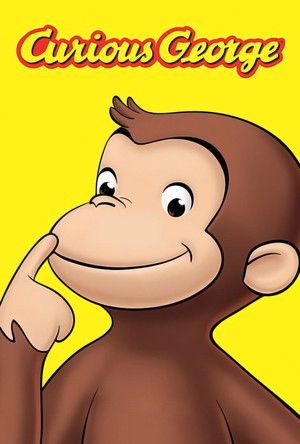
With the help of his friend “The Man in the Yellow Hat,” a curious little monkey named George sets out on adventures to learn about the world around him.
Pusteblume
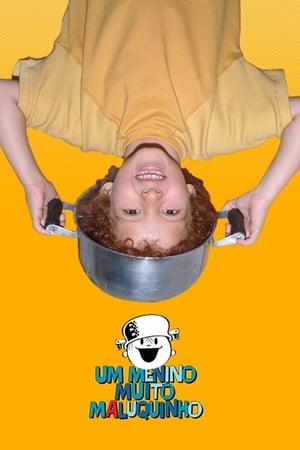
The adventures, dramas and lessons learned from a smart, nutcase boy who uses a saucepan as his hat, in three stages of his life: with five, ten and thirty years.
How 2 was a British educational television show which ran on CITV between 1990 and 2006. It served as a modernised "sequel" to a 60’s / 70's series with the same format called 'How'. Each episode started with the presenters sitting around the studio table asking their own question starting with “How” and then taking turns answering these. Subjects of science and history were often covered along with logic and word play puzzles.