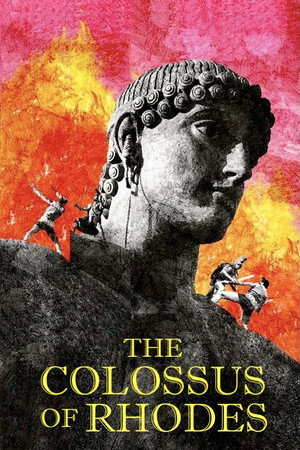
In ancient Judea, a Jewish aristocrat opposing Roman occupation of his homeland reunites with his childhood friend, now a Roman commander — setting in motion a saga of betrayal, adventure, tragedy, revenge, and faith.
In 1981, Islamic Republic intelligence agents work to track down MEK operatives trying to assassinate Iranian officials in the aftermath of the resignation of President Banisadr.
Zsadányi flees from the authorities with his goddaughter, Bankós Mari, and they escape into the forest. The film then skips ahead thirty-fold years: Zsadány and Mari are now lovers, with the sound of war in the background halting their romance. The old friends of Zsadányi have joined with the Nazis, and the landowner living with his peasants in a socialist community grows distant from them. Zsadányi is held responsible for political problems in the country, and will pay with his life.
Queen Yun reigned with King Sunjong since she was just 13 years old. She hid the royal seals needed to complete an agreement between Korea and Japan which would lead to Korea's annexation. However, her patriotic display wins her many enemies.
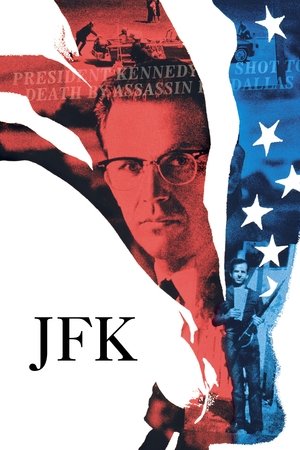
Follows the investigation into the assassination of President John F. Kennedy led by New Orleans district attorney Jim Garrison.
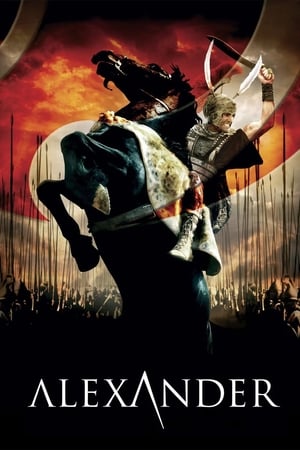
Alexander, the King of Macedonia, leads his legions against the giant Persian Empire. After defeating the Persians, he leads his army across the then known world, venturing farther than any westerner had ever gone, all the way to India.
A cover-up that spanned four U.S. Presidents pushed the country's first female newspaper publisher and a hard-driving editor to join an unprecedented battle between journalist and government. Inspired by true events.
In year 1250 B.C. during the late Bronze age, two emerging nations begin to clash. Paris, the Trojan prince, convinces Helen, Queen of Sparta, to leave her husband Menelaus, and sail with him back to Troy. After Menelaus finds out that his wife was taken by the Trojans, he asks his brother Agamemnon to help him get her back. Agamemnon sees this as an opportunity for power. They set off with 1,000 ships holding 50,000 Greeks to Troy.
The movie depicts the political crisis that led to the suicide of president Getúlio Vargas, in the 19 days that preceded August 24, 1954. The crisis began with the attempted assassination of journalist and politician Carlos Lacerda in August 5, 1954, at rua Toneleros, Rio de Janeiro, in which Major Vaz was assassinated instead. Investigations pointed to Gregório Fortunato, chief of Vargas' personal guard, as the orderer of the frustrated assassination. This incident was one of the most importants in the history of Brazil.
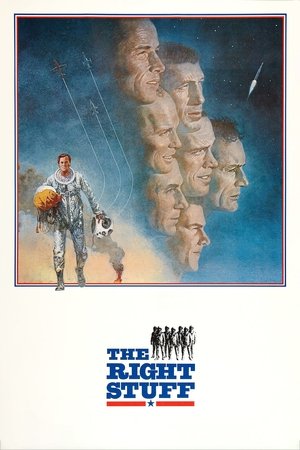
At the dawn of the Space Race, seven test pilots set out to become the first American astronauts to enter space. However, the road to making history brings momentous challenges.
For three years after being forced from office, Nixon remained silent. But in summer 1977, the steely, cunning former commander-in-chief agreed to sit for one all-inclusive interview to confront the questions of his time in office and the Watergate scandal that ended his presidency. Nixon surprised everyone in selecting Frost as his televised confessor, intending to easily outfox the breezy British showman and secure a place in the hearts and minds of Americans. Likewise, Frost's team harboured doubts about their boss's ability to hold his own. But as the cameras rolled, a charged battle of wits resulted.
The story of the Cuban Missile Crisis in 1962—the nuclear standoff with the USSR sparked by the discovery by the Americans of missile bases established on the Soviet-allied island of Cuba.
A sumptuous and sensual tale of intrigue, romance and betrayal set against the backdrop of a defining moment in European history: two beautiful sisters, Anne and Mary Boleyn, driven by their family's blind ambition, compete for the love of the handsome and passionate King Henry VIII.
The French Revolution, 1794. The Marquis de Lafayette asks Charles D'Aubigny to infiltrate the Jacobin Party to overthrow Maximilian Robespierre, who, after gaining supreme power and establishing a reign of terror ruled by death, now intends to become the dictator of France.
Rio de Janeiro, April 18, 1945. Brazil's foreign policy aligns closely with that of the United States and opens a brief period of democratic rule after the end of World War 2. For years, hundreds of people were arrested and tortured by the Vargas regime. But with the external pressure, several political prisoners gain freedom.
A Greek soldier leads the fight against an invading Persian army.
The story of America's rise to power starting with 1959, using archival footage and US pop music to highlight the consequences to the rest of the world and in the peoples' minds.
Ginga is a simple—yet energetic—country girl, living with her father far from the capital city of the empire in ancient China. When she learns of an opportunity to become a concubine of the young new Emperor, with the possibility of becoming his head wife in charge of all of the other wives, Ginga convinces her father to let her go. Once there, she meets all of the other potential head wives, each of whom have various reasons for being there. All of them must learn to read and write, learn the history of their country, and learn the proper mannerisms for being in the royal court. Ginga's enthusiasm tends to get her in trouble more often than not, but it works to her advantage when they learn that the former emperor's head wife, who is not the mother of the current emperor, is plotting treachery against the new emperor, and that a rebellion is headed toward the capital.
A film essay contrasting the modern metropolis with its "golden age" from 1830-1930, with the participation of some of New York's leading political and cultural figures. Made at a time when the city was experiencing unprecedented real estate development on the one hand and unforeseen displacement of population and deterioration on the other. Empire City is the story of two New Yorks. The film explores the precarious coexistence of the service-based midtown Manhattan corporate headquarters with the peripheral New York of undereducated minorities living in increasing alienation.
Jan Smuts is a foremost political figure in South African 20th Century History, and is recognised today by two of the world's leading historians as being at the very centre of the vision for a new world order that emerges from the League of Nations and the United Nations.. Yet, he is virtually persona non grata in his own country.... and largely ignored in school history books. This one hour drama-documentary, with its dramatised cameo scenes in which his look-alike grandson takes on the role of Jan Smuts, battle re-enactments, historical archival footage, comments from historians, political analysts, and South African political struggle heroes, looks back on his life and the circumstances that shaped it in search of some answers.