Paper Moon is a short-lived situation comedy which aired on ABC during the fall of 1974, starring Christopher Connelly and Jodie Foster in the roles of Moses Pray and his presumed daughter, Addie. The series is based on the 1973 Peter Bogdanovich film of the same name starring Ryan O'Neal and real-life daughter Tatum O'Neal, which was based on Joe David Brown's 1971 novel entitled Addie Pray.
To protect her sister and save her family from ruin, a selfless woman navigates an arranged marriage with a wealthy man who hides dark secrets.
In a turbulent era, a rich young master falls for a lowly opera performer. Despite harsh social divides, rumors, and betrayal, they bravely fight for a passionate love, determined to be together against all odds.
The Love School is a BBC television drama miniseries originally broadcast from 22 January to 26 February 1975 about the Pre-Raphaelite Brotherhood. The series was written by John Hale, Ray Lawler, Robin Chapman, and John Prebble, and directed by Piers Haggard, John Glenister and Robert Knights. The drama was a significant influence on the subsequent 2009 series Desperate Romantics. It was also the basis of the historical novel of the same name by Hale.
The series follows the life of Yeon Gaesomun, a powerful military dictator in the waning days of the Goguryeo kingdom.
In the 1950s, Elizabeth Zott's dream of being a scientist is challenged by a society that says women belong in the domestic sphere. She accepts a job on a TV cooking show and sets out to teach a nation of overlooked housewives way more than recipes.
Dark Skies is an American UFO conspiracy theory-based sci-fi television series that aired from the 1996 to 1997 season for 18 episodes, plus a two-hour pilot episode. The success of The X-Files on Fox proved there was an audience for science fiction shows, resulting in NBC commissioning this proposed competitor following a pitch from producers Bryce Zabel and Brent Friedman. The series debuted September 21, 1996 on NBC, and was later rerun by the Sci-Fi Channel. Its tagline was "History as we know it is a lie."
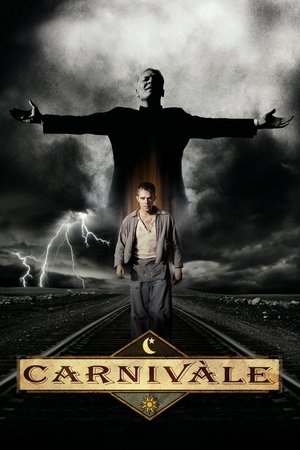
Carnivàle is an American television series set in the United States during the Great Depression and Dust Bowl. In tracing the lives of two disparate groups of people, its overarching story depicts the battle between good and evil and the struggle between free will and destiny; the storyline mixes Christian theology with gnosticism and Masonic lore, particularly that of the Knights Templar.
The beautiful Spanish princess, Catherine of Aragon, navigates the royal lineage of England with an eye on the throne.
The life of German thinker Karl Marx, focusing on his political and economic theories, his romance with Jenny von Westphalen, and his friendship with Friedrich Engels.
Sugar Rush is an Emmy Award–winning British television comedy drama series developed by Shine Limited and broadcast by Channel 4, based on the Julie Burchill novel of the same name. It follows the trials and tribulations of teenager Kim Daniels, who is dealing with all the usual adolescent issues, plus one - she thinks she might be gay. Her family has recently moved to Brighton from London, and she finds herself with a huge crush on her new best friend, Maria `Sugar' Sweet. Sugar has a bit of a wild side, and frequently gets Kim into trouble, though Kim can find trouble on her own as well. Despite attractions to other girls, and a few attempts at being interested in guys, Kim continues to long for Sugar.
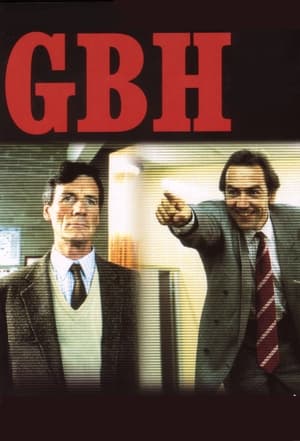
GBH was a seven-part British television drama written by Alan Bleasdale shown in the summer of 1991 on Channel 4. The protagonists were Michael Murray, the Militant tendency-supporting Labour leader of a city council in the North of England and Jim Nelson, the headmaster of a school for disturbed children. The series was controversial partly because Murray appeared to be based on Derek Hatton, former Deputy Leader of Liverpool City Council — in an interview in the G.B.H. DVD Bleasdale recounts an accidental meeting with Hatton before the series, who indicates that he has caught wind of Bleasdale's intentions but does not mind as long as the actor playing him is "handsome". In normal parlance, the initials "GBH" refer to the criminal charge of grievous bodily harm - however, the actual intent of the letters is that it is supposed to stand for Great British Holiday.
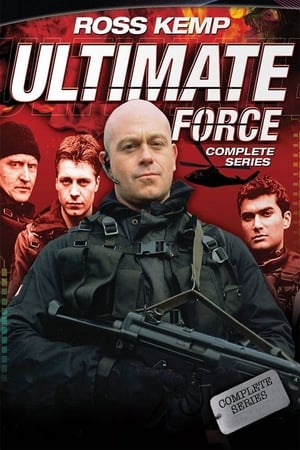
This covert combat series focuses on the Red Troop, an elite group of soldiers from the British military's Special Air Service group.
The story chronicles the life of Hōjō Masako during the Kamakura Period.
A gifted artisan's journey of love and self-discovery unfolds as she defies tradition within Indonesia's clove cigarette industry in the 1960s.
The chronicles of Sakamoto Ryoma, a pre-revolutionary who helped shape the face of modern Japan. In order to study swordsmanship, Ryoma heads for Edo where he meets many people who influence his thinking. He becomes close friends with men like Katsu Kaishu and Saigo Takamori and later establishes a naval training school in Kobe. Ryoma's controversial political views make him a target for shogunate assassins but his fervent belief in a classless society helps forge the Choshu-Satsuma alliance which ultimately brings about the Meiji Restoration.
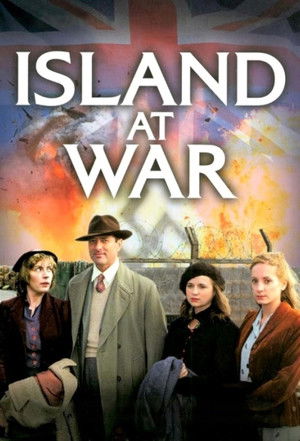
Island at War is a British television series that tells the story of the German Occupation of the Channel Islands. It primarily focuses on three local families: the upper class Dorrs, the middle class Mahys and the working class Jonases, and four German officers. The fictional island of St. Gregory serves as a stand-in for the real-life islands Jersey and Guernsey, and the story is compiled from the events on both islands. Produced by Granada Television in Manchester, Island at War had an estimated budget of £9,000,000 and was filmed on location in the Isle of Man from August 2003 to October 2003. When the series was shown in the UK, it appeared in six 70-minute episodes.
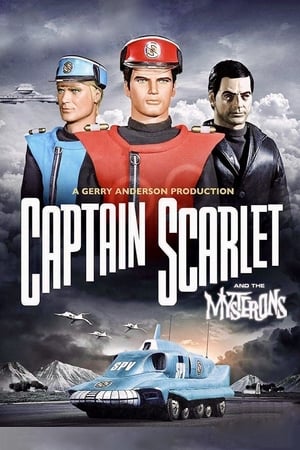
Captain Scarlet heads up an international intelligence agency as they battle against the Mysterons, an alien species from Mars that vows vengeance after a misunderstanding with humans.
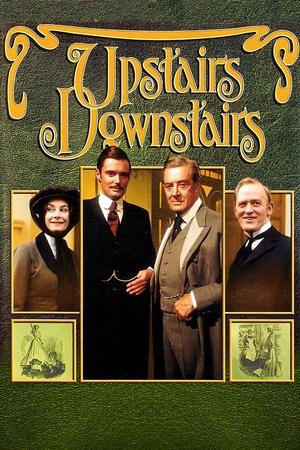
Upstairs: the wealthy, aristocratic Bellamys. Downstairs: their loyal and lively servants. For nearly 30 years, they share a fashionable townhouse at 165 Eaton Place in London’s posh Belgravia neighborhood, surviving social change, political upheaval, scandals, and the horrors of the First World War.
During the Suez Crisis of 1956, two young clerks at the stuffy Foreign Office in Whitehall display little interest in the decline of the British Empire. To their eyes, it can hardly compete with girls, rock music, and the intrigue of romantic entanglements.