Two children accused parents and teachers of leading a paedophilic satanic cult, supposedly headquartered in secret rooms on the school premises. The story was not true. But once the fire was lit, it was hard to put out. Emily Turner’s film considers the real-world impact of an outrageous online conspiracy theory, exploring the importance of truth and the cost of lies.
There are children. There are those who abuse them. And there are those who know, but never tell.
On Fanø, Denmark, three young families have their lives brutally turned upside down when the municipality suspects them of having abused their children. The suspicion is unfounded, but the damage is done, and the families are now dragged through a process involving child interviews, police interrogations, and more. Is the law on protecting children from abuse too far-reaching, or is it simply the price some must pay to prevent serious cases of mistreatment and neglect?
A poignant all-Indigenous English and Cree-English collaborative documentary that breaks long-held silences imposed upon indigenous children who were interned at the notoriously violent St. Anne’s Residential School in Fort Albany First Nation, Ontario. Use of a homemade electric chair at St. Anne's and the incorporation of testimony about student-on-student abuse makes this documentary stand apart from other films about Canadian residential school experiences. This film will serve as an Indigenous historical document wholly authored by Indigenous bodies and voices, those of the Survivors themselves.
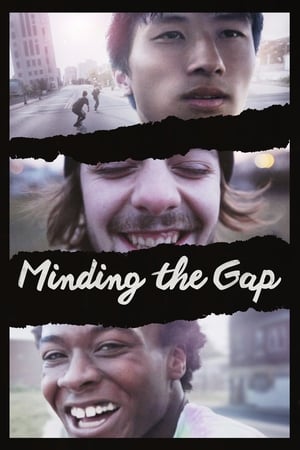
Three young men bond together to escape volatile families in their Rust Belt hometown. As they face adult responsibilities, unexpected revelations threaten their decade-long friendship.
An investigation into accusations of teenagers being sexually abused within the film industry.
Since the beginning of her career, Sinéad O’Connor has used her powerful voice to challenge the narratives she was surrounded by while growing up in predominantly Roman Catholic Ireland. Despite her agency, depth and perspective, O’Connor’s unflinching refusal to conform means that she has often been patronized and unfairly dismissed as an attention-seeking pop star.
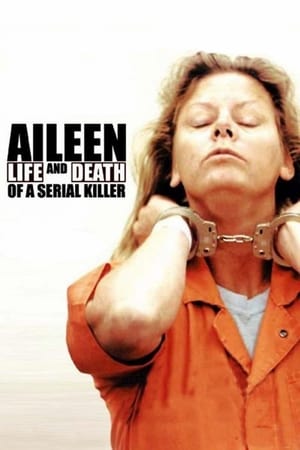
British documentarian Nick Broomfield creates a follow-up piece to his 1992 documentary of the serial killer Aileen Wuornos, a highway prostitute who was convicted of killing six men in Florida between 1989 and 1990. Interviewing an increasingly mentally unstable Wuornos, Broomfield captures the distorted mind of a murderer whom the state of Florida deems of sound mind -- and therefore fit to execute. Throughout the film, Broomfield includes footage of his testimony at Wuornos' trial.
An exploration into why some children are severely damaged by early adversity while others are able to thrive. By revisiting childhood trauma victims profiled decades ago, we learn how their experiences shaped their lives as adults.
Melissa Lucio was the first Hispanic woman sentenced to death in Texas. For ten years she has been awaiting her fate, and now faces her last appeal.
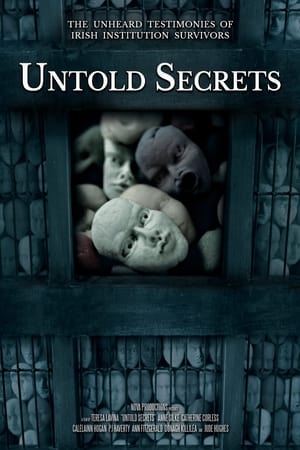
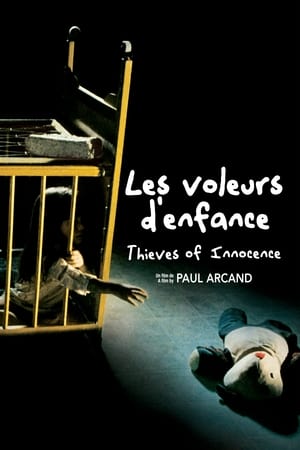
The movie recalls children who suffered mental and physical harm both during the last century, particularly in religious orphanages, and during the time of early modernperiod witch-hunts. It shows that the mindsets and behavioural patterns of both time periods are more alike than one might think.
The true story of a young teenage girl whose mother is incarcerated for murder. Living in a Catholic Children's home run by an order of nuns, she provides poignant commentary about her mother, her own situation and her outlook for the future.
As a child, Michael Stock was sexually abused - by his own father. 25 years later he is still looking for inner peace. In conversations with his family and friends and his own reflections, he paints an ever clearer, if contradictory picture of what happened and of the consequences for each of the family members. Old family films seem to show a happy family - excerpts from Michael's first feature film hint at his extreme adult life, overshadowed by his lifelong trauma. Yet in spite of the intense drama, the film doesn't have an atmosphere of anger and hatred but rather a surprising air of hope and love of life. Michael's aim is not to accuse the "perpetrator" but to understand. In the end, he takes his video "Postcard" to his father. With the camera running, he confronts him with his past.
A true-crime comedy exploring a failed music festival turned internet meme at the nexus of social media influence, late-stage capitalism, and morality in the post-truth era.
Aileen Wuornos remains a rarity: a female serial killer. From childhood abuse to death-row revelations, this documentary revisits her life and crimes.
In the 50-minute documentary, John van den Heuvel provides insight into the six liquidations that Holleeder is suspected of. At the crime scene, he reconstructs the underworld murders on the basis of police files and his own investigation. In the interviews, April van der Bijl and Sonja Holleeder explain why they are convinced that Holleeder is responsible for the murders of Thomas van der Bijl and Cor van Hout.
Ruby Franke's rise as a "momfluencer" with millions of followers hid a nightmare; when her son fled and alerted a neighbor about the abuse, police raided her home, rescuing her children.
Juvenile Liaison is about the day-to-day assignments of the juvenile liaison section of the Blackburn, Lancashire police force. The documentary provides a captivating snapshot of how juvenile offenders were dealt with in the '70s.
Wasted Talent
Ed Kemper, also known as the Co-Ed Killer, murdered and dismembered 10 people, including his own mother. Former FBI agent John Douglas takes us through his extensive interviews with Kemper, which became the backbone of modern criminal psychology.