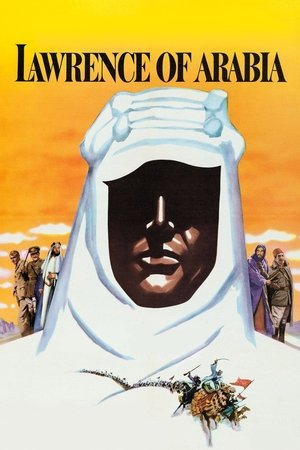
During World War I, English officer Thomas Edward 'T.E.' Lawrence sets out to unite and lead the diverse, often warring, Arab tribes to fight the Turks.
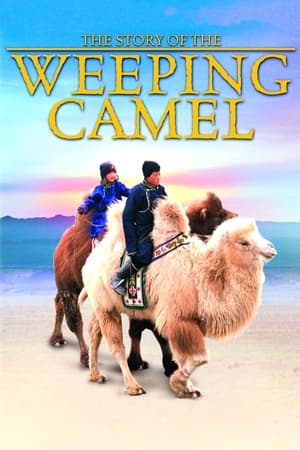
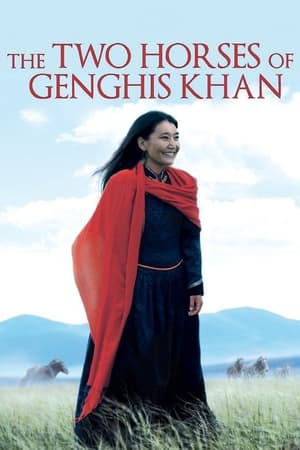
When a Mongolian nomadic family's newest camel colt is rejected by its mother, a musician is needed for a ritual to change her mind.
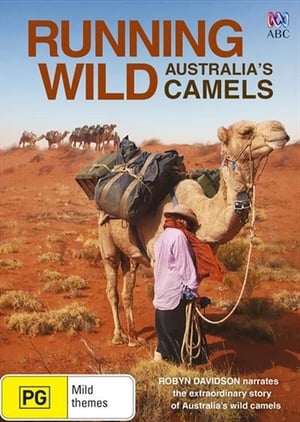
Robyn Davidson, famous for her solo expedition across the west Australian deserts by camel in the 1970s, presents this documentary telling the story of Australia's camels and the people who brought them here.
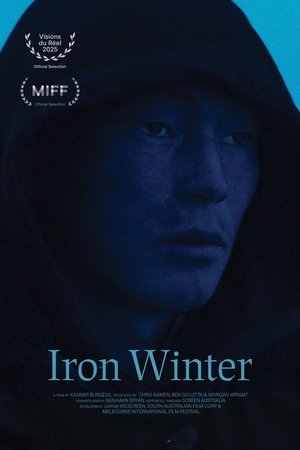
Iron Winter follows two young Mongolian horse herders who battle extreme winter cold to protect an ancient tradition that risks being lost forever. Set in the Tsakhir Valley of the Arkhangai province, one of the world's harshest human-inhabited environments, the film captures the herders' 150-day struggle to lead thousands of horses into the high country in search of edible grass hidden under the snow.
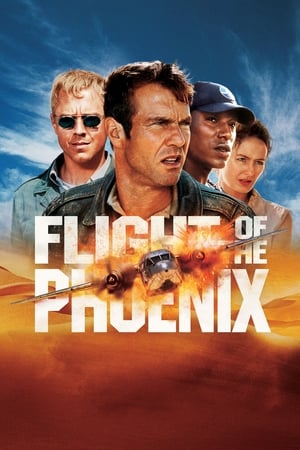
When an oil rig in the Gobi Desert of Mongolia proves unproductive, an aircraft crew are sent to shut the operation down and fly them out. On the flight out over the desert on the way to Beijing, Capt. Frank Towns and co-pilot A.J. are unable to keep their cargo plane, a C-119 Flying Boxcar, in the air when a violent sandstorm strikes. Crash-landing in a remote uncharted part of the desert, the two pilots and their passengers -- a crew of oil workers and a drifter -- must work together to survive by rebuilding the aircraft. Soon, low supplies and a band of merciless smugglers add even greater urgency to their task.
A documentary of the life of camel herders and the culture of adopting an orphan camel by "seducing" a mother-camel through a morin khuur (a horse fiddle) melody.
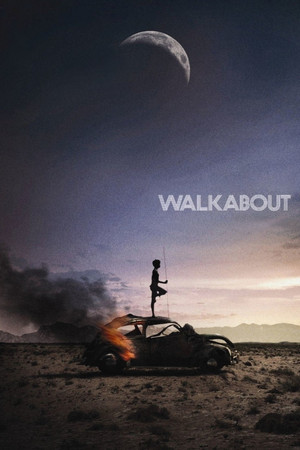
Under the pretense of having a picnic, a geologist takes his teenage daughter and 6-year-old son into the Australian outback and attempts to shoot them. When he fails, he turns the gun on himself, and the two city-bred children must contend with harsh wilderness alone. They are saved by a chance encounter with an Aboriginal boy who shows them how to survive, and in the process underscores the disharmony between nature and modern life.
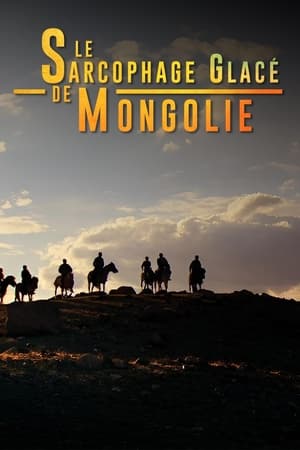
In the Frozen Tomb of Mongolia
During the 12th Century a boy is born to a tribal chief. He is named Temujin, which means "blacksmith." Nine years later, his father is murdered by the Tartars After a long struggle, just when Temujin reclaims tribal chief status, the Merkit tribe kidnaps his wife. In order to fight against the Merkits, Temujin has to use his mother as a pawn in exchange for troops from ally tribes. Temujin manages to rescue his wife only to realise that she is pregnant with the enemy's child. Enduring tremendous anguish, Temujin throws himself into battle against the Tartars and slaughters the leader of the intruders. He eventually takes his wife back and accepts her child. Later on, he begins a campaign to unify all Mongolian tribes. By the age of 40, he is bestowed the title "Genghis Khan", which means "oceanic ruler".
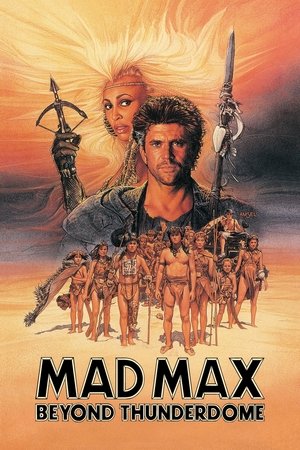
Mad Max becomes a pawn in a decadent oasis of a technological society, and when exiled, becomes the deliverer of a colony of children.
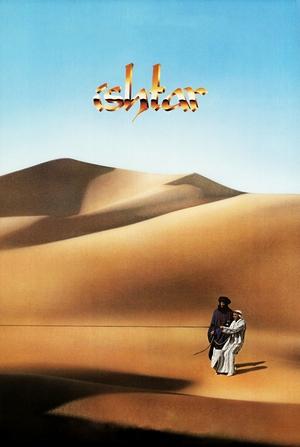
Two terrible lounge singers get booked to play a gig in a Moroccan hotel but somehow become pawns in an international power play between the CIA, the Emir of Ishtar, and the rebels trying to overthrow his regime.
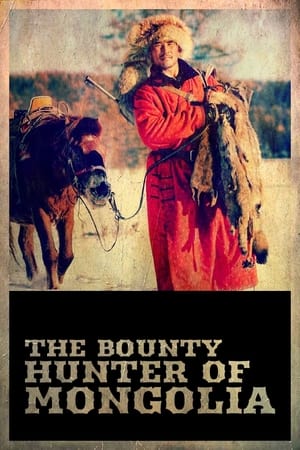
In the Darhat valley in northern Mongolia, the horses of nomadic tribes are stolen by bandits who then sell them to Russian slaughterhouses. Shukhert, a brave horseman, relentlessly pursues them through the Mongolian taiga, bordering Siberia.
A British officer in the Camel Corps in Egypt goes undercover to investigate a gang of drug smugglers. He enlists the aid of a female pilot to help break up the gang.
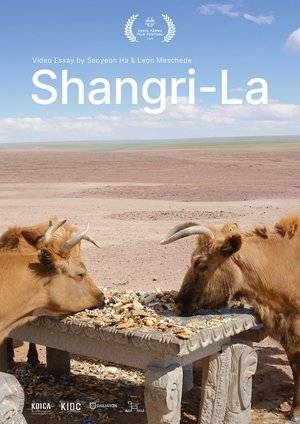
Shangri-La (2023) journeys through Mongolia from an intercultural perspective, reflecting on tradition, modernity, and the tension between indigenous and Western belief systems. As filmmakers from industrialized nations — Germany and South Korea — we critically examine our own positions as outsiders, questioning the ways in which histories, environments, and ways of knowing are perceived and represented.
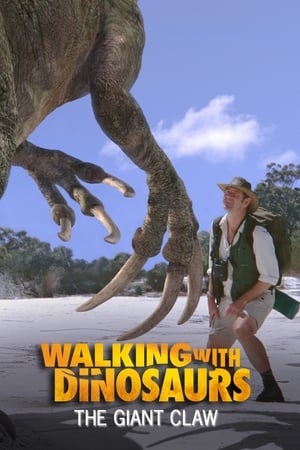
Journey back to the dunes of prehistoric Mongolia to find the owner of the largest claws of all time - Therizinosaurus. Presenter Nigel Marven's adventure covers vast nesting sites, skirts curious velociraptors and avoids the terrifying tarbosaurus so we can come face-to-face with The Giant Claw.
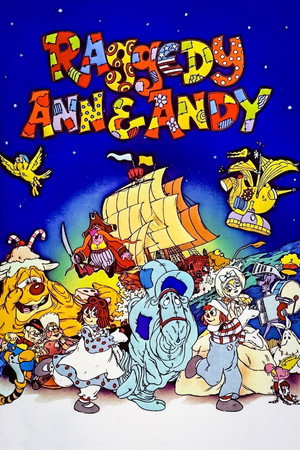
Raggedy Ann and Andy, along with other toys, reside in the nursery of a little girl named Marcella. During Marcella's seventh birthday, Babette, from France, is introduced as the new doll from a large package. When the lecherous Captain Contagious kidnaps Babette and escapes from the nursery, Ann and Andy must navigate the Deep Deep Woods to save her.
Fatima Ali Alhameli was the first Emirati female camel owner to enter her camel in the country’s camel beauty pageant competition and participate in Abu Dhabi’s camel auctions. Her attempts faced stiff opposition from the organisers and society. However, she persisted as she was determined to represent Emirati women in this largely male bastion and keen on proving to the world that her gender would not hold her back. An inspiring film about a woman’s courage and pioneering spirit.
An old, broken morin khurr (horse head fiddle) compels renowned Mongolian singer Urna Chahar Tugchi to take a road journey to Ulan Bator and the steppes of Mongolia.
Educational film about the scenery and people at the Kanas Lake region.
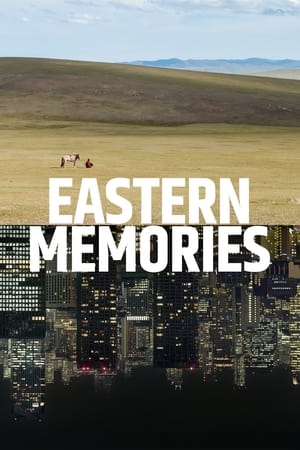
At the turn of the 19th and 20th century Finnish philologist G. J. Ramstedt travelled around Mongolia and Central-Asia. In this documentary Ramstedt’s memoirs are heard in the modern day setting, where tradition is replaced with hunger for money, and deserts give way to cities.