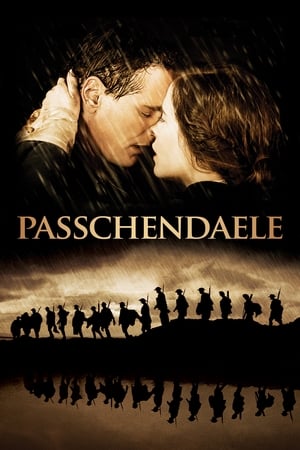
In early 20th-century Montana, Col. William Ludlow lives on a ranch in the wilderness with his sons, Alfred, Tristan, and Samuel. Eventually, the unconventional but close-knit family are bound by loyalty, tested by war, and torn apart by love, as told over the course of several decades in this epic saga.
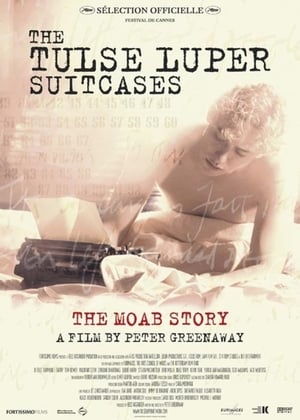
A comic study of 20th-century history, reconstructing the life of writer, creator and professional prisoner Tulse Luper. Born in 1911 Newport and last heard of in 1989, Luper’s life is pieced together from the evidence found in 92 suitcases scattered across the globe. In the first of three parts, we follow Luper through three distinct episodes: as a child during the First World War; as an explorer in Mormon Utah; and as a writer in Belgium during the rise of fascism.
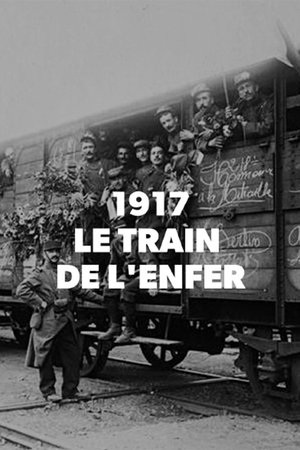
1917, The Train from Hell is an historical documentary about a train accident during WW1.
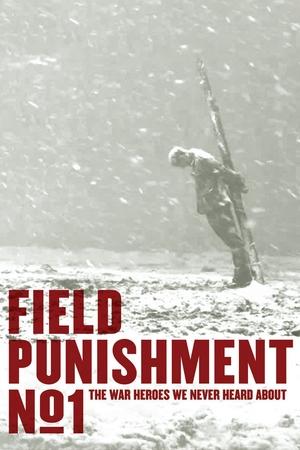
In 1916, the New Zealand Government secretly shipped 14 of the country's most outspoken conscientious objectors to the Western Front in an attempt to convert, silence, or quite possibly kill them. This is their story.
Inspired by Canadian flying ace Billy Bishop, two young soldiers crash the front lines in August 1918. With the Allies detained, their platoon must desperately hold out alongside legendary Anishinaabe sniper Francis "Peggy" Pegahmagabow.
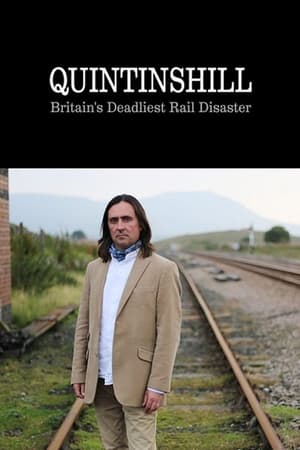
Neil Oliver describes the worst ever railway accident in the UK, which happened a hundred years ago on 22 May 1915, in which three trains collided at Quintinshill near Gretna Green. One of the trains was a troop train taking soldiers to fight in World War I at the Battle of Gallipoli: many of the dead were in this train which caught fire due to escaped gas from the archaic gas lighting in the carriages. The cause of the crash was attributed to a catastrophic signalman's error, but Neil examines whether there were other contributory factors and whether there was a cover-up to prevent investigation of them, making convenient scapegoats of the signalmen.
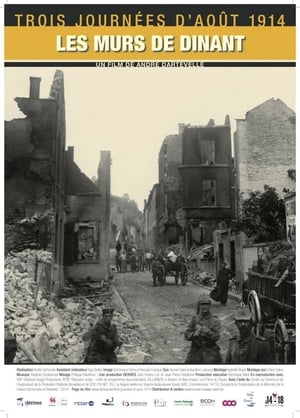
Documentary on the atrocities the germans committed at the start of WW I in Dinant.
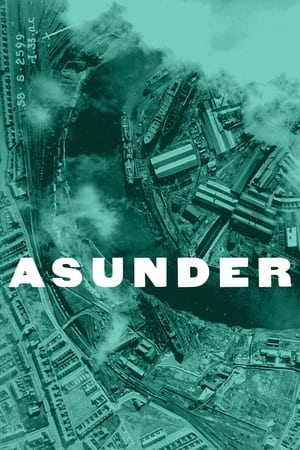
Esther Johnson’s film uses local archive footage to convey the story of Sunderland's involvement in the First World War, from the men who fought in the fields to those who stayed behind to work in the region’s shipyards and munitions factories.
In times of World War I, a group of boisterous young ladies occurs to them that they could help the boys of the front writing letters to them and, thus, becoming their godmothers of war. Madeleine writes to the soldier Jacques Bertin, but, out of prudence, instead of giving her true identity, she impersonates her late grandmother. When the soldier comes on leave and wants to see her, the mistake will bring humorous consequences.
Denise lives with her grandparents on a farm and secretly meets Robert. When she tells her grandparents that she wants to marry Robert, they refuse outright, so the two lovers will have no choice but to elope and marry in the nearby town. On the eve of having a child, war breaks out and Robert is mobilized.
When the United States entered World War I, its Army Air Service lacked a combat-ready aircraft – a liability that prompted a search to find an aircraft suitable for production at home and combat operations abroad. This documentary from Bowling Green filmmakers tells the story behind the single-engine DH-4 plane dubbed The Liberty Plane.
Producer Samuel Cummins, along with five participants in World War I, discuss the key events of the war as illustrated by an assemblage of battlefield and other documentary footage. This film is not the same as, but seems likely to have either inspired or been inspired by, Norman Lee's British production of the same title (q.v.), apparently released the following year.
With Jean-Baptiste at the front, Louise takes care of Bébé with the help of Uncle Pierre. The letters she receives from Jean-Baptiste worry her, but Pierre distracts Bébé with a box of tin soldiers. That night, Bébé has a dream of his soldiers vanquishing the enemy, and the next morning, Jean-Baptiste surprises the family by returning home.
Les Fiancés de 1914
Sergeant Michael Dunne fights in the 10th Battalion, AKA The "Fighting Tenth" with the 1st Canadian Division and participated in all major Canadian battles of the war, and set the record for highest number of individual bravery awards for a single battle
England, early 20th century. The future writer and philologist John Ronald Reuel Tolkien (1892-1973) and three of his schoolmates create a strong bond between them as they share the same passion for literature and art, a true fellowship that strengthens as they grow up, but the outbreak of World War I threatens to shatter it.
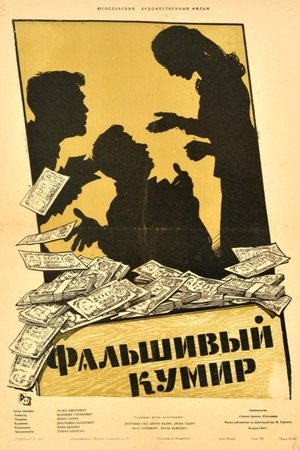
On the Eve of WW2, the royal government of Yugoslavia hid the national money inside the cave around village of Ozrinići in Montenegro. The locals discovered the heaps of money by accident, and soon begun to build new houses and buy the land. Unfortunately, the Italians occupied the country and burned their properties to ashes. Based on a true story.
Osudy dobrého vojáka Švejka – Švejkovy nehody ve vlaku
Osudy dobrého vojáka Švejka – Z Hatvanu na hranice Haliče
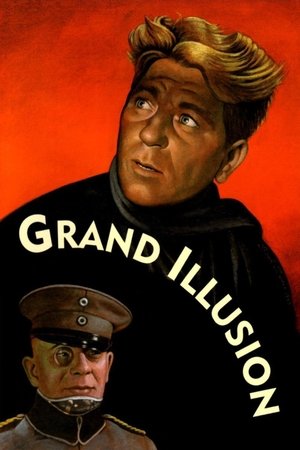
A group of French soldiers, including the patrician Captain de Boeldieu and the working-class Lieutenant Maréchal, grapple with their own class differences after being captured and held in a World War I German prison camp. When the men are transferred to a high-security fortress, they must concoct a plan to escape beneath the watchful eye of aristocratic German officer von Rauffenstein, who has formed an unexpected bond with de Boeldieu.