102 Years in the Heart of Europe: A Portrait of Ernst Jünger (Swedish: 102 år i hjärtat av Europa) is a Swedish documentary film from 1998 directed by Jesper Wachtmeister. It consists of an interview by the journalist Björn Cederberg with the German writer, philosopher and war veteran Ernst Jünger (1895-1998). Jünger talks about his life, his authorship, his interests and ideas. The actor Mikael Persbrandt reads passages from some of Jünger's works, such as Storm of Steel, The Worker, On the Marble Cliffs and The Glass Bees.
The impact of Marx on the 20th century has been all-pervasive and world-wide. This program looks at the man, at the roots of his philosophy, at the causes and explanations of his philosophical development, and at its most direct outcome: the failed Soviet Union.
E. M. Cioran. Sa vie. Son oeuvre
Tudo é Irrelevante. Hélio Jaguaribe
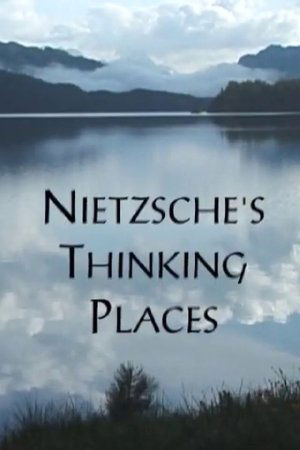
The favourite places for thinking of the philosopher Friedrich Nietzsche - Sorrento, Engadine, Venice, Genoa, Rapallo, Nice, Turin - with passages from his letters and notebooks that explain why they were so important to him.
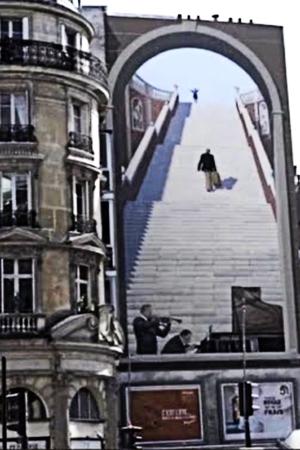
A look at contemporary Paris through the lens of theories and ideologies of the past two centuries, with a particular focus on the utopian socialist ideas of Charles Fourier.
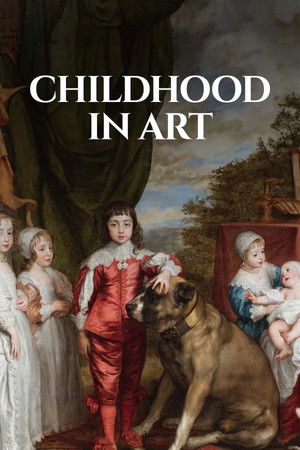
How have the changing views on children been reflected in their representation in art? From Baby Jesus to the first photographic portraits, an exploration of six centuries of art history through the prism of childhood.
Inspired by The Seven Valleys, the film follows a solitary wayfarer who steps onto a spiritual journey of self-knowledge, guided not by destination but by transformation. Shot across the historic landscapes of Oxford, the journey unfolds as both an inner pilgrimage and a physical passage that reflects the wayfarer’s movement toward surrender, silence, and submission.
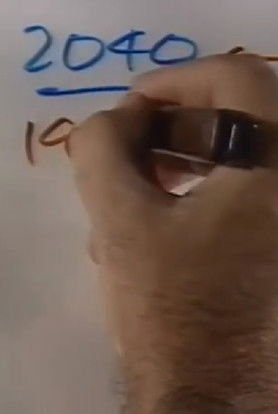
Edward de Bono literally sketches out the future in a 90 minute lecture filmed in Copenhagen. He explains 2040 as seen by someone frozen cryogenically in 1997.
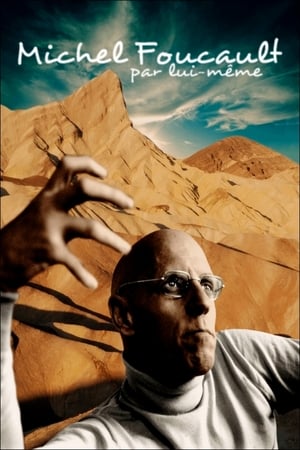
A voyage to the center of the thought of Michel Foucault (1926-1984), a tireless explorer of the margins, a brilliant and atypical thinker, through excerpts from his books and lectures, and the use of images that resonate with them.
The author Carl-Göran Ekerwald has written more than 50 books. At the age of 87, a new chapter in his life begins when he meets the journalist and author Sigrid Kahle. Ekerwald is a man of eductation and lust.
Le besoin de croyance et le besoin de vérité
Nel silenzio del parco
Shot during an NLP (neuro-linguistic programming) seminar in Berlin, a group fluxuates between guided meditation and discussion on consciousness and self-acceptance. Neuro-linguistic programming is a set of techniques and beliefs that are used primarily towards personal development. NLP is based on the idea that mind, body, and language create an individual's perception of the world, and an individuals behaviors can be changed by "perceiving and feeling yourself". Rapport focuses on the staging of the self that takes place during this kind of group therapy.
The portrait of Geoffroy de Lagasnerie, through fragments of the present, archives, readings and close voices. A film where political thought is felt in gestures, friendship and struggles, and where cinema becomes a space for the lively circulation of thought.
Philosopher Johnny Golding ruminates on a formative childhood experience, when her father brought home an early prototype of night vision he was working on for the American Military 'Project Eyeglass'. Shot using corrupted night-vision footage, the film explores Johnny's interest in quantum physics, entanglement and her philosophy of Radical Matter.
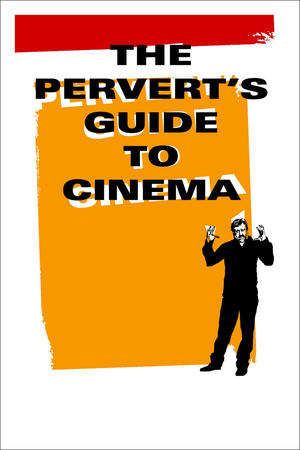
A hilarious introduction, using as examples some of the best films ever made, to some of Slovenian philosopher and psychoanalyst Slavoj Žižek's most exciting ideas on personal subjectivity, fantasy and reality, desire and sexuality.
A short film made with a Nikon Coolpix 3200, showcasing places Hugo associated with special moments with his girlfriend.
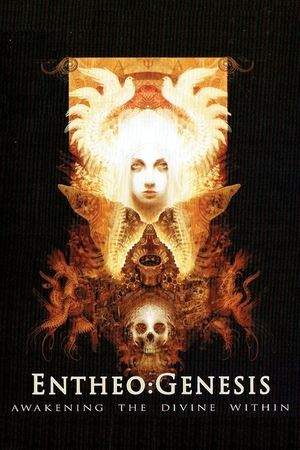
A feature length documentary which invites the viewer to rediscover an enchanted cosmos in the modern world by awakening to the divine within. The film examines the re-emergence of archaic techniques of ecstasy in the modern world by weaving a synthesis of ecological and evolutionary awareness,electronic dance culture, and the current pharmacological re-evaluation of entheogenic compounds.
In a world that spins faster and faster, bibliomaniacs take refuge from the rush and the noise inside the library. Amid whispers, they confess the meaning of life. A celebration of thought and obsession, where libraries reveal their inhabitants