The movie follows today’s beachcombers in Great Britain, the Netherlands, and Japan. The same endless piles of trash left by humans cover all the shores. Our shared ocean is loaded with time travelers made of plastic, the fruit of our throwaway culture and our indifference. They are the seeds of destruction, as they end up in the entrails of creatures living in the sea. Most of the beachcombers share the same worries about the environment. Beside the plastic trash, many travelers drift between continents, such as various plants’ seeds. Like all species, they look for new living environments where they could survive on a warming planet.
A comic, biting and revelatory documentary following a small group of prankster activists as they gain worldwide notoriety for impersonating the World Trade Organization (WTO) on television and at business conferences around the world.
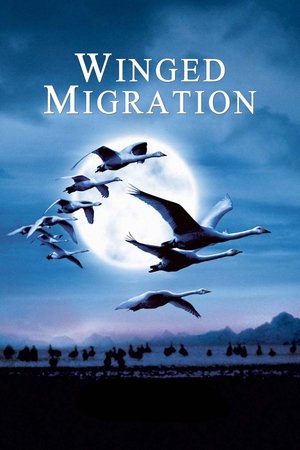
This documentary follows various migratory bird species on their long journeys from their summer homes to the equator and back, covering thousands of miles and navigating by the stars. These arduous treks are crucial for survival, seeking hospitable climates and food sources. Birds face numerous challenges, including crossing oceans and evading predators, illness, and injury. Although migrations are undertaken as a community, birds disperse into family units once they reach their destinations, and every continent is affected by these migrations, hosting migratory bird species at least part of the year.
Tim Laman a photographer for National Geographic and ornithologist Ed Scholes have been traveling to some of the most remote jungles the world has to offer in search of observing and photographing all 39 species of tropical bird. This particular group of birds are entitled as the “Birds of Paradise” and can be found in some of the last truly wild locations of New Guinea.
Un fleuve invisible
MANUFACTURED LANDSCAPES is the striking new documentary on the world and work of renowned artist Edward Burtynsky. Internationally acclaimed for his large-scale photographs of “manufactured landscapes”—quarries, recycling yards, factories, mines and dams—Burtynsky creates stunningly beautiful art from civilization’s materials and debris.
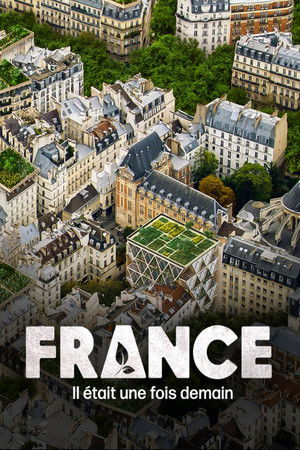
Hmoty zítřka
In a society where "celebutantes" like Paris Hilton dominate newsstands and models who weigh less than 90 pounds die from malnutrition, female body image is one of the more dire problems facing today's society. "America the Beautiful" illuminates the issue by covering every base. Child models, plastic surgery, celebrity worship, airbrushed advertising, dangerous cosmetics - no rock is left unturned.
Bikes for Africa is an entertaining, insightful and moving documentary following the life adventures of Hap Cameron and Mandy Todd, and their attempt to help implement a self sustainable bike workshop in rural Namibia with a container load secondhand donated bikes from Melbourne. The film investigates how a bicycle can fundamentally change the lives of rural Africans, and brings to focus the great works of two-wheeled charities Bicycles for Humanity and the Bicycling Empowerment Network Namibia.
Sir David Attenborough narrates a documentary about the Kea, the world's only alpine parrot. Playful and destructive, it attacks cars, starts landslides and terrorises New Zealand ski resorts but behind the bad behaviour there's a sharp mind at work. David tries to play chess with a kea and discovers how its cheeky character is the key to its survival.
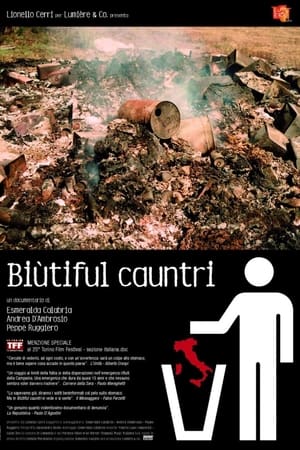
Biùtiful Cauntri
Werner Boote presents an up-close and personal view of the controversial and fascinating material that has found its way into every facet of our daily lives: plastic. He takes us on a journey around the globe, showing that plastics have become a threat for both environment and human health.
L. M. Guerra, Knight of the University of Oxford; he tries to save our world, spreading the secrets that have been revealed to him.
A magnificient poem of the tragic love between two wild ducks. The suicidal sacrifice of the male for his female, we do not witness a hunting scene, but a real tragedy of the birds Romeo and Juliet.
From a small garage in Redmond, Washington, to the furthest corners of the earth, Funko's story is one that is centered around the fans and the global community that arose from their unique passion - a story that spans twenty years full of joy, ambition, adversity, and... well... toys.
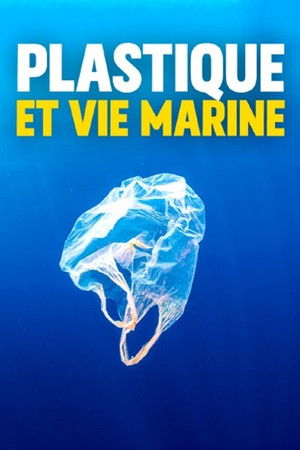
99% of the plastic that should be floating in the oceans is missing. Even accounting for the plastic that washes up on beaches or is trapped in arctic ice, millions of tonnes has simply disappeared. As most plastic never deteriorates, it simply breaks down into smaller and smaller particles that are invisible to the human eye, what happens to this missing ocean plastic is a mystery. In this investigation, scientists embark in search of the micro-plastics. Small, mostly invisible, toxic, they are home to the new ecosystem: the plastisphere. But where are they? Ingested by organisms? Buried under the ocean floor? Degraded by bacteria? And what is the impact of them entering the food chain?
Part cartoon and part documentary, this film offers a humorous look at birds and the ways people perceive them.
María and Isabel are two women in their fifties who, like many others, recycle in Quito, where there is no recycling system. María leads a collective fight for basic labor rights; while Isabel transmits her knowledge of environmental care while she raises her daughters.
River Lis runs polluted through Leiria. It's been 50 years since the first pig farm was installed in the region. Since then, people have lived with the consequences of countless crimes against the environment and a shocking lack of justice. The children that remember when the water was clean, now grandparents, share their story of resistance and fight against pollution.
Waste Not is a film about where your garbage goes, who sorts it for you, and what it is worth if it isn't just tossed into landfill. It's easier and cheaper to retrieve gold from old computers for instance, than to dig it up. Organics can be used to create fertiliser and green electricity and yet each Australian sends half a tonne of food waste to landfill each year where it is contaminated with chemicals and e-waste. We recycle only 50% of all our waste. There is an alternative to environmental apocalypse and we don't have to wait for the politicians to make it happen. All we really need to do is be creative and use our imaginations to turn this waste into wealth again. Waste Not talks to scientists, workers at waste depots, environment campaigners, gardeners and even a famous chef about how easy it is to save the planet by simply recycling properly.