Biography
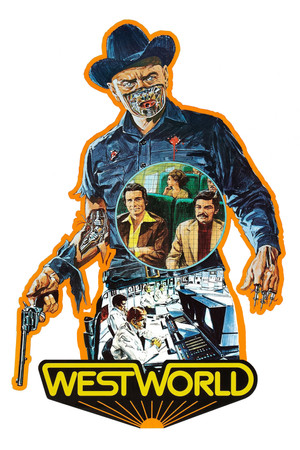
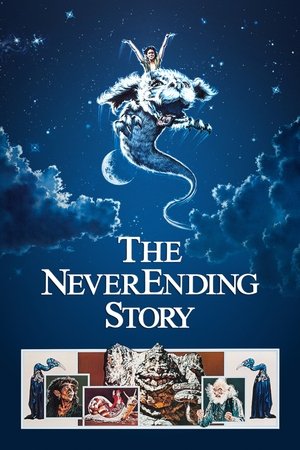
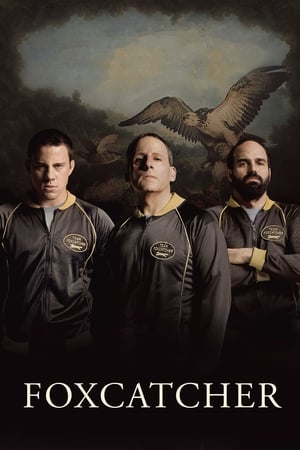
Alan Oppenheimer (born April 23, 1930) is an American actor. He has appeared in or provided voiceover performances for notable films such as In the Heat of the Night (1967), Westworld (1973), Freaky Friday (1976), Private Benjamin (1980), The NeverEnding Story (1984), 9 (2009), Foxcatcher (2014) and Toy Story 4 (2019).
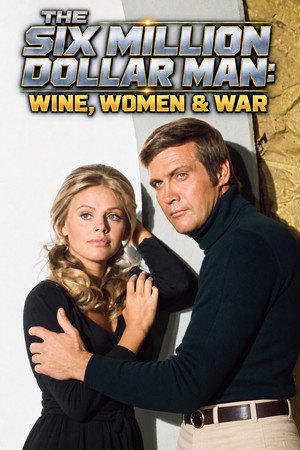
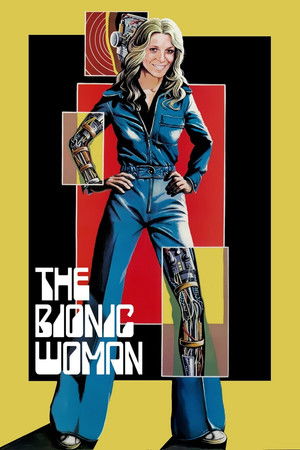
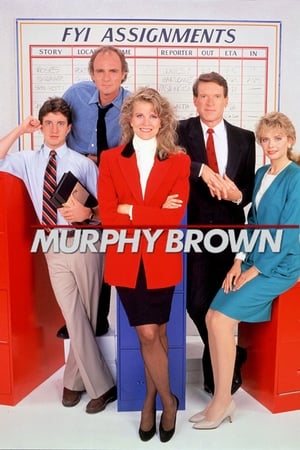
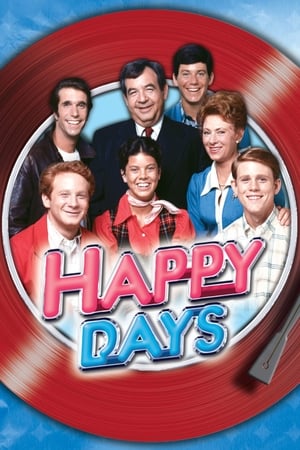
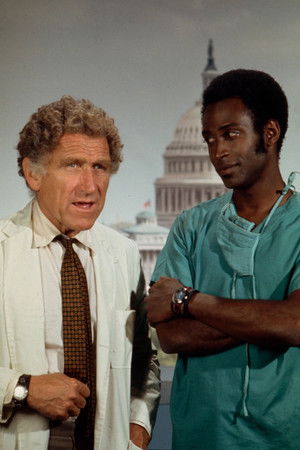
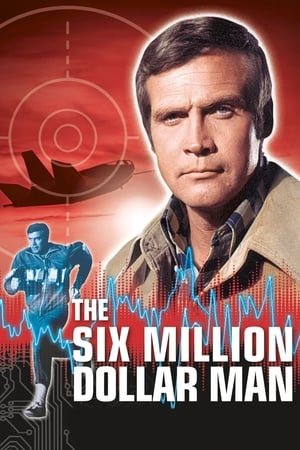
Oppenheimer studied at Carnegie Mellon University, earning a Bachelor of Fine Arts degree in 1951. He began his acting career in the 1950s and gained recognition for his work in television starting in the 1960s. He became known as a versatile character actor, appearing in a wide range of TV shows with roles including a Nazi on "Hogan's Heroes," an Israeli secret agent and double-agent scientist on "Get Smart," and the second actor to portray Dr. Rudy Wells in "The Six Million Dollar Man." He also played Mickey Malph, Ralph Malph's father, on "Happy Days" and had recurring roles on "St. Elsewhere" and "Mama's Family." Oppenheimer also appeared in multiple "Star Trek" series, portraying different characters in each. He was nominated for an Emmy Award in 1991 for his guest role on "Murphy Brown."
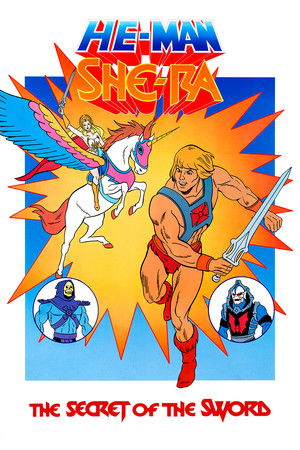
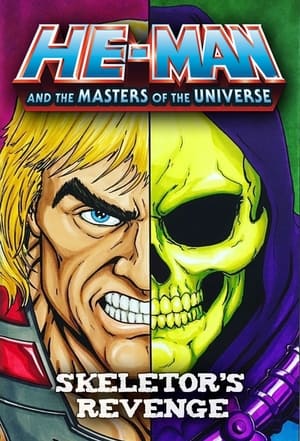
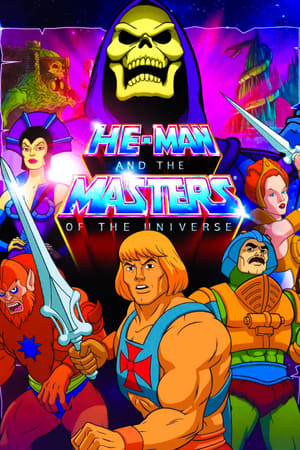
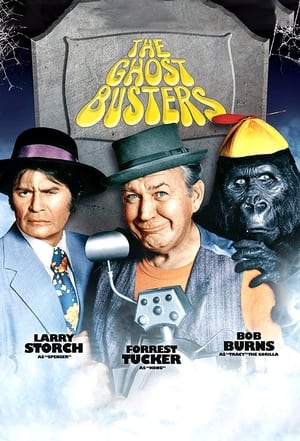
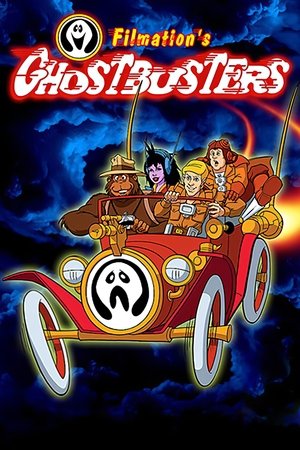
In addition to his live-action work, Oppenheimer established a prolific career as a voice actor from the 1970s onwards. He is renowned for voicing many prominent characters in animated series, including Skeletor, Man-At-Arms, and Mer-Man in "He-Man and the Masters of the Universe," Ming the Merciless in "The New Adventures of Flash Gordon," and roles in "The Transformers," "Ghostbusters," and other series.