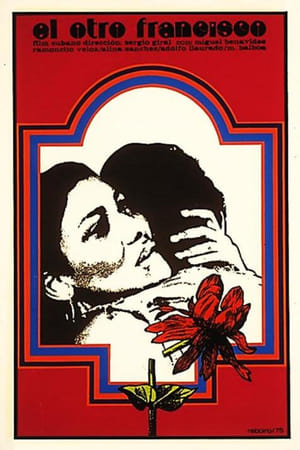
Based on the novel Francisco by Anselmo Suárez y Romero, "The Other Francisco" is a socio-economic analysis of slavery and class struggle through the retelling of the original novel. The film contrasts the romantic conceptions of plantation life found in Suárez Romero's novel with a realistic expose of the actual historical conditions of slavery throughout the Americas. It offers a critical analysis of the novel, showing how the author's social background led to his use of particular dramatic structures to convey his liberal, humanitarian viewpoint.
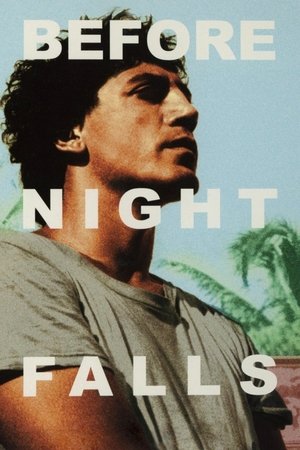
Spanning several decades, this powerful biopic offers a glimpse into the life of famed Cuban poet and novelist Reinaldo Arenas, an artist who was vilified for his homosexuality in Fidel Castro's Cuba.
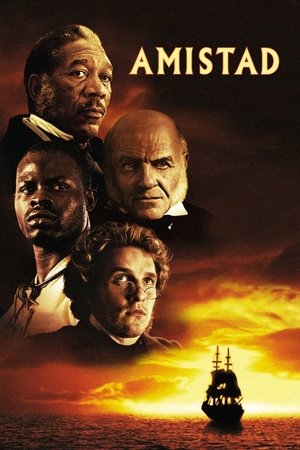
In 1839, the slave ship Amistad set sail from Cuba to America. During the long trip, Cinque leads the slaves in an unprecedented uprising. They are then held prisoner in Connecticut, and their release becomes the subject of heated debate. Freed slave Theodore Joadson wants Cinque and the others exonerated and recruits property lawyer Roger Baldwin to help his case. Eventually, John Quincy Adams also becomes an ally.
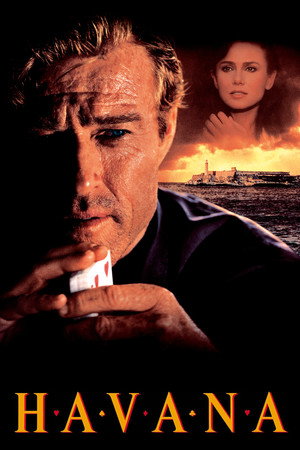
During the revolution, a high-stakes gambler arrives in Cuba seeking to win big in poker games. Along the way, he meets and falls in love with the wife of a Communist revolutionary.
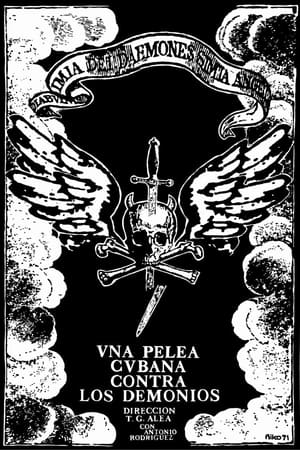
In 1672 Cuban revolutionaries launch an uprising against the Spanish who are occupying the country. Preserved by the Academy Film Archive in 2017.
A Haitian son returns from fifteen years in Cuba to find his home village afflicted with the double plague of drought and strife. A Cuban production from the director of Memories of Underdevelopment. In Spanish.
In 1991, the USSR is falling apart and Cuba enters its hardest economic crisis. Sergio, a professor of Marxism who can't provide for his family, and Sergei, a Soviet cosmonaut stranded in the Mir space station, share a common passion: amateur radio. Through this hobby, both men will be able to help each other in facing the dramatic changes of their countries.
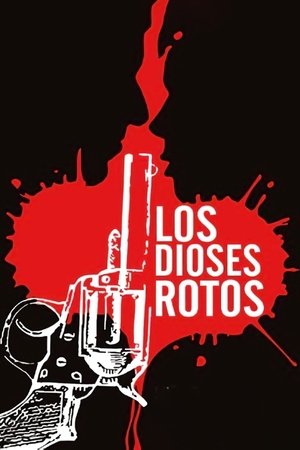
In the manner of a well run Greek tragedy, leaving aside one of its components, dragging in its passing narrative certainty by the viewer that violent death is the hallmark of so much misfortune purifier, Los Dioses Rotos crowns the very successful arrival of Ernesto Daranas to the feature domains and with it, the team that accompanied him, including the actors.
Dani, a young Cuban, lives in Havana with his grandmother Yuya. When his girlfriend becomes pregnant, the young woman's family demands an abortion... because Dani is black.
GDR 1961: Tamara Bunke, daughter of Jewish exiles from Argentina, not only falls for the political goals of the rousing revolutionary Che Guevara during a state visit. She also meets Ulises Estrada, the commandant of Che's team. Ignited by the fire of the revolution, she gets involved in a diabolical espionage deal with the Stasi in order to cheat her way out of Cuba. In Cuba, she ends up caught between all fronts: under the watchful eye of the Stasi, which expects results from her, but in reality solely dedicated to Che's revolution, Tamara allows herself to be trained as a double spy by Che's troops. At the same time, her honest love grows for Commandante Ulises, who eventually gives her the choice of following her personal happiness and going into hiding rather than following Che's plans to liberate South America, which by now he considers a suicide mission. An unresolvable, deeply tragic conflict that ends fatally for Tamara in the battle of Bolivia's Rio Grande..
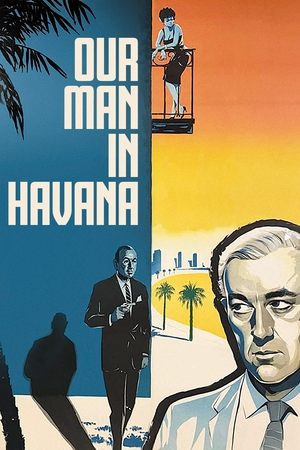
Jim Wormold is an expatriate Englishman living in pre-revolutionary Havana with his teenage daughter Milly. He owns a vacuum cleaner shop but isn’t very successful so he accepts an offer from Hawthorne of the British Secret Service to recruit a network of agents in Cuba.
The film is liberally inspired by the period when Eça de Queiroz was Portuguese Consul in Cuba, when still a Spanish colony. Eça de Queiroz struggles against local authorities in his defense of Chinese workers, brought to the sugar plantations by greedy middlemen and exploited as slaves. Two parallel stories unfold, that of a Chinese girl which Eça de Queiroz saves from the clutches of one of the island’s most powerful slave owners, and the other of a romance involving a young American woman on holidays in Havana.
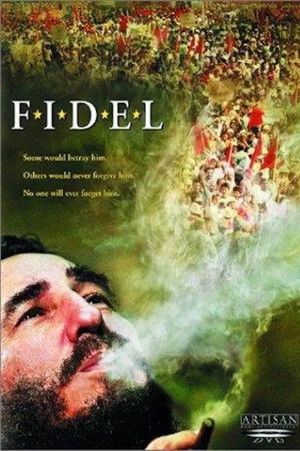
Centered on the six years before the fall of Batista's dictatorship and the subsequent 40 years of the Cuban Revolution.
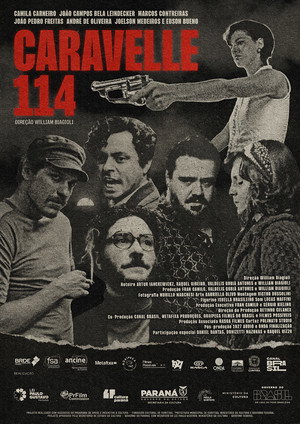
At the height of Brazil’s military dictatorship, a flight would change the fate of everyone on board. Among the passengers were a mother, her two young children, and militants from VAR-Palmares with a daring plan: to divert Flight 114 to Cuba. Caravelle 114 reconstructs, in fiction, the events behind the hijacking that defied the Brazilian dictatorship.
A superstitious middle-aged woman falls in love with a taxi driver, while trying to learn the identity of the unseen person tossing eggs at her.
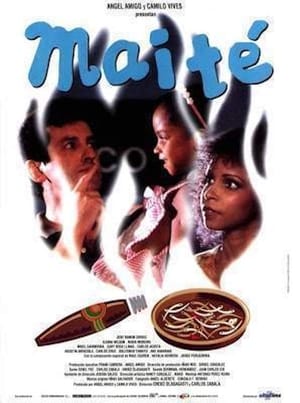
Two Basque brothers and businessmen try to save their family heritage from imminent ruin. They believe they have found the solution in a quick deal: they will exchange the stock of elvers from their small local business for Cuban cigars bought in Cuba. But the charm of Cuban women and the greed of the self-styled businessmen threaten to disrupt everything.
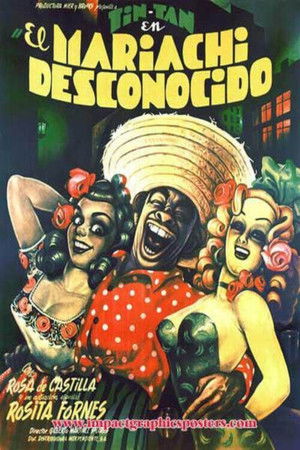
This film is considered one of Tin Tan's funniest comedies. This time, the charismatic comedian incarnates a mariachi musician that lives the most entertaining an extraordinary adventures while traveling from Mexico to the paradisaic island of Cuba. An example of the excellent cinematographic comedy that only Tin Tan can achieve.
Three sisters leave Cuba in search of a better life in Madrid. While there, they encounter, among other things, other Cuban expatriates.
A three newly wedded pairs are traveling to a wonderful exotic island of Cuba and adventures start.
A patriot (René Lavan) with a rebellious brother falls in love with a dissident's daughter (Mayte Vilán) in Castro's Cuba.