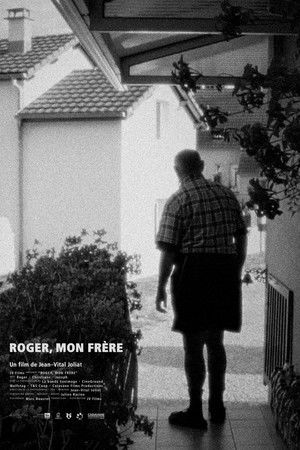
ROGER, MY BROTHER immerses us in the moving story of Christiane, who is devoted to caring for her brother Roger, who has Alzheimer's disease. Her tireless commitment allows Roger to avoid being placed in a nursing home despite the challenges. At the heart of this sibling relationship lies an unbreakable bond of love, demonstrating human resilience and the strength of family ties. This film celebrates the dignity, compassion, and determination that drive the bond between brother and sister, offering a profound reflection on love's ability to overcome the most insurmountable obstacles.
Hűség
An animation about the uncertainties in human connections over time, portrayed in an affectionate relationship between a granddaughter and her grandfather with dementia as they grow old together.
In October 2007, Pasqual Maragall was diagnosed with Alzheimer's. Once past the initial blow, he and his family embarked on a crusade against the disease. From the very first step, this film has grown into an extraordinary testament. With intelligence, sincerity and an infectious spirit, Maragall allows a portrait to be painted of not only himself, but also his family and his doctors, in order to leave behind a lasting document of his personal fight.
With this inventive portrait, director Kirsten Johnson seeks a way to keep her 86-year-old father alive forever. Utilizing moviemaking magic and her family’s dark humor, she celebrates Dr. Dick Johnson’s last years by staging fantasies of death and beyond. Together, dad and daughter confront the great inevitability awaiting us all.
There are 1.8 million people living with dementia in Germany. Unless there is a breakthrough in treatment, this number will rise to 2.8 million by 2050. How can these patients be cared for with dignity? One thing is certain: the problems in care—whether inpatient or outpatient—are growing. The shortcomings of the care system in German-speaking countries have been known for decades and will continue to worsen as a result of demographic change, because our society is getting older and older. The article "The problem of dementia – new approaches to care" shows examples of humane treatment of people in need of care and presents forward-looking models. Based on the personal experiences of those affected and the conceptual differences between alternative care providers, we would like to highlight possible solutions and provide new impetus for the long-overdue reform of elderly care.
Aus dem Takt
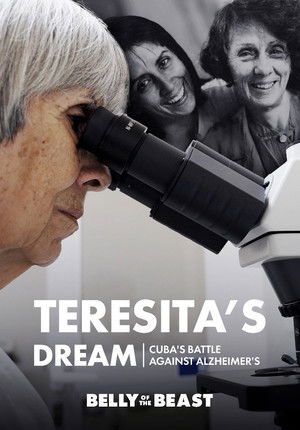
Three women at high risk for Alzheimer's disease offer their brains and bodies to a medical study. After the deaths of their mothers, these daughters are determined to contribute to the search for a cure. This is the latest fight against Alzheimer's - by those with a very personal stake in the battle.
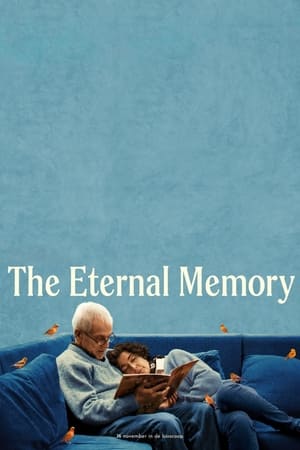
Augusto and Paulina have been together for 25 years. Eight years ago, he was diagnosed with Alzheimer's disease. Both fear the day he no longer recognizes her.
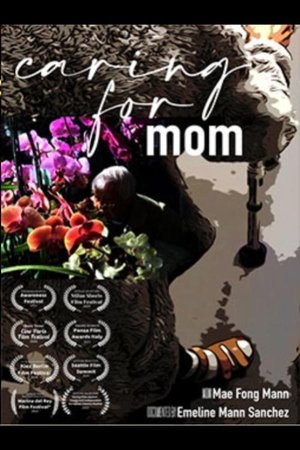
This documentary shows what happened when Alzheimer’s came into my mother’s life and how we managed it. What started as a private memorial video for Mom found a new life in its current metamorphosis as a possible motivator for others to consider home care for their parents instead of automatically going the nursing home route.
The director's mother is 90 years old—and is beginning to forget herself. Not only herself, but everything else as well. She has dementia. Only her faith and her tireless knitting of exclusively blue socks keep her alive. The director, whose relationship with his mother has been very tense throughout his life, approaches the dissolution of his mother's ego in this experimental and essayistic film with the support of Didier Eribon, Simone de Beauvoir, Norbert Elias, Jean Améry, and others. In addition to this very personal story, he also tells a universal story about the process of aging, about repression, but also about rebellion in dealing with and interacting with aging people.
Grandma has become a little doddery. And since the death of her husband, called E.O., ever bigger gaps have opened in her memory, and her disorientation has increased. Director Astrid Menzel makes a decision: to take a ten-day canoe trip on northern German waters with her brother and the 86-year-old lady. An adventure whose outcome is uncertain and which the three travellers have to face anew at every stage.
Alzheimer's: Every Minute Counts is an urgent wake-up call about the national threat posed by Alzheimer's disease. Many know the unique tragedy of this disease, but few know that Alzheimer's is one of the most critical public health crises facing America. Because of the growing number of aging baby boomers, and the fact that the onset of Alzheimer's is primarily age-related, the number of Alzheimer's case is predicted to skyrocket in the United States. This will not only be a profound human tragedy, but an overwhelming economic one as well. Due to the length of time people live with the illness and need care, it's the most expensive medical condition in the U.S. Future costs for Alzheimer's threaten to bankrupt Medicare, Medicaid, and the life savings of millions of Americans.
In his most personal documentary yet, Chris Hemsworth turns the camera on his own family after his dad’s recent Alzheimer’s diagnosis. They embark on a road trip into their past, exploring the science of social connection and how it can support memory function. They revisit meaningful places and faces, capturing it all as a home movie, and reviving treasured recollections.
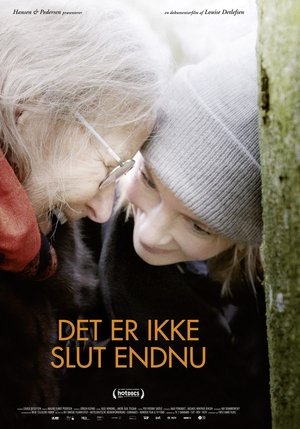
At Dagmarsminde, nurse May Bjerre Eiby refuses to conform to conventional nursing home practices that tranquilize and disregard dementia patients. For 11 residents, their healthcare regimen includes hugs, laughter, animal visits, eye contact, and lots of champagne and cake. It Is Not Over Yet looks at a radically different way to treat dementia patients, shifting from medicine to care.
A documentary film detailing Glen Campbell's final tour and his struggle with Alzheimer's disease.
A documentary based on Daniel Gibbs' book A Tattoo on My Brain: A Neurologist's Personal Battle against Alzheimer's Disease.
Documentary directed by Freddy Más, creator of the film Dawn of a Dream, which treats Alzheimer's disease from different points of view: patients, relatives, scientists, pedagogues. The documentary not only reflects the experience and testimony of the different affected.
This documentary profiles the life and career of Pat Summitt, the NCAA's winningest basketball coach, who resigned from her post at the University of Tennessee in 2012 due to early-onset Alzheimer's disease.
Australian artist Leon Pericles faces his greatest challenge: holding an exhibition of his life's works while facing the mental decline of his wife and collaborator Moira, as Alzheimer's disease turns their world upside down.