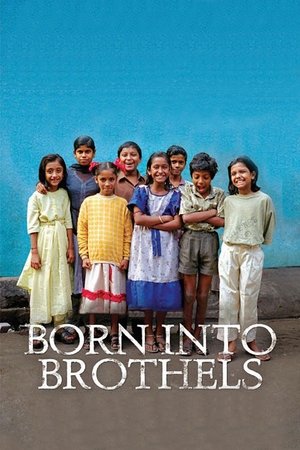
Documentary depicting the lives of child prostitutes in the red light district of Songachi, Calcutta. Director Zana Briski went to photograph the prostitutes when she met and became friends with their children. Briski began giving photography lessons to the children and became aware that their photography might be a way for them to lead better lives.
An analysis of the impact on the United States Latino community of immigration policies promoted by President Donald Trump.
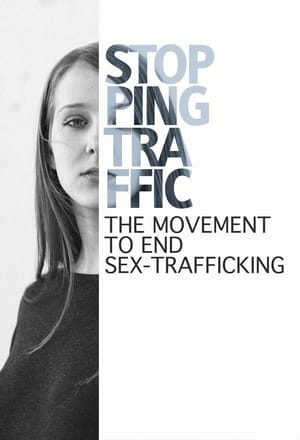
With the instant reach of social media and explosion in cyber porn, a child sex slave can be purchased online and delivered to a customer more quickly than a pizza. Stopping Traffic: The Movement to End Sex Trafficking starts the conversation on a taboo topic – with raw images of life on the streets, heart-pounding rescues and gut-wrenching, personal stories – ultimately offering a story of hope and empowerment, with the goal of engaging others in launching a movement to end modern-day slavery. With 27 million victims, human trafficking is the 2nd largest criminal enterprise in the world. Not just a back-alley enterprise in underdeveloped regions, it’s also prevalent in the U.S. and industrial nations. Stopping Traffic takes an unflinching, first-hand look at this shadowy underworld, telling the shocking story through the eyes of survivors, veteran activists, front-line rescue organizations and celebrities who support the cause, including Dolph Lundgren and Jeannie Mai.
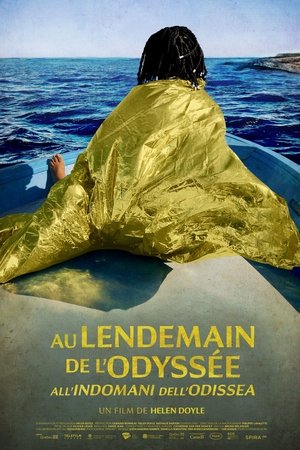
After a Dantean journey, women from Nigeria arrive alone and ever younger in Italy, looking for a better life. Such horrors as human trafficking and sexual slavery are waiting for them, as we discover in this ensemble film featuring harrowing stories told in a sensible way that spares us from the unbearable. These tales provoke a broader reflection on migration and otherness.
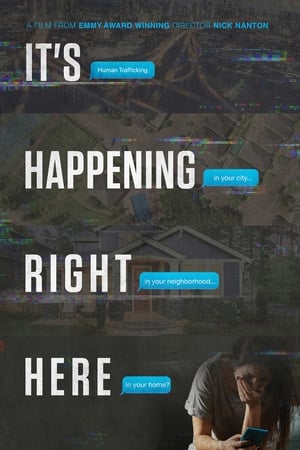
This documentary unveils the truth that sex trafficking can happen in every community in the U.S.. Awareness about online grooming, sextortion, and trafficking, along with preventative tools, are examined through interviews with law enforcement, technology experts, and survivors. Despite the darkness of this crime, hope can be found in the organizations fighting to end trafficking and those sharing their experiences to protect others.
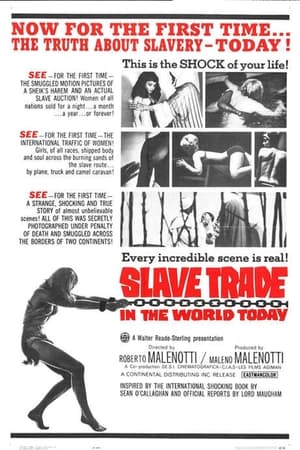
The film documents modern slave trade through a number of African countries, under dictatorship rule. The filming was conducted both in public places, and sometimes with the use of hidden cameras, for high impact scenes of nudity, sex, and violence - and a few surprises, as slaves made out of peregrins to Asia, and slave traders paid in traveller checks.
A woman is recruited to a prison controlled by organized crime while another woman searches for her missing daughter. Through images that submerges us in a journey from north to south Mexico, both testimonies collide and take us to the center of a storm: a country where violence has taken control of our lives, our desires and our dreams.
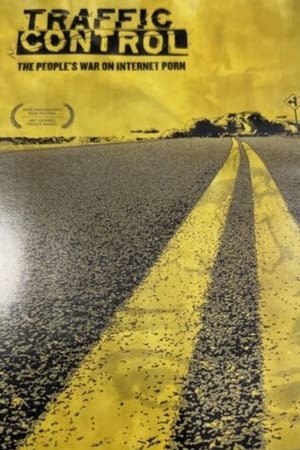
A documentary that follows a new piece of legislation on its way to Capitol Hill. The Internet Community Port Act, also known as CP80 or Community Port 80, asks that adult content be placed on separate channels (ports) on the Internet so that parents can keep it out of their homes and schools. What ensues is a ferocious debate between parents, pornographers, doctors, technologists, addicts, business owners and children. But one voice is missing: our political leaders.
Not My Life comprehensively depicts the cruel and dehumanizing practices of human trafficking and modern slavery on a global scale. Filmed on five continents, in a dozen countries, Not My Life takes viewers into a world where millions of children are exploited through an astonishing array of practices including forced labor, sex tourism, sexual exploitation, and child soldiering.
The parallel stories of four Pakistani immigrants in Greece become the trigger for the director to explore the story of his father, a worker in the Perama Shipyard. The background unfolds a most deadly shipwreck, Libyan immigrants found in limbo, as well as a (possibly racist) crime, which was committed during the shooting of this film.
The film traces modern-day slavery in Cambodia by disclosing the fate of this young woman and following, in parallel, the daily lives of two human traffickers, a local recruiter and the head of an agency. Cambodian people call these traffickers Mey Kechol: The Storm Makers.
An estimated half a million women are being transported to Western Europe by sex traffickers every year. It's a multi-million pound business where, for the traffickers, the rewards are high and the risks are low. But, for the girls, the consequences are brutal and potentially dangerous. Following a route which begins in the former Soviet Republic of Latvia and leads to Denmark, Ireland and the UK, Sue Lloyd-Roberts uncovers a murky, cruel world in which employment agencies seduce young women with false promises, unscrupulous pimps abuse them and the police and judiciary turn a blind eye to this contemporary form of slavery.
A team of journalists investigate how human trafficking and child labor in the Ivory Coast fuels the worldwide chocolate industry. The crew interview both proponents and opponents of these alleged practices, and use hidden camera techniques to delve into the gritty world of cocoa plantations.
Ghost Fleet follows a small group of activists who risk their lives on remote Indonesian islands to find justice and freedom for the enslaved fishermen who feed the world’s insatiable appetite for seafood. Bangkok-based Patima Tungpuchayakul, a Thai abolitionist, has committed her life to helping these “lost” men return home. Facing illness, death threats, corruption, and complacency, Patima’s fearless determination for justice inspires her nation and the world.
A series of lawsuits and allegations have legendary rap mogul P. Diddy on the ropes. TMZ has the troubling inside story from people who were there.
On December 10th, 2013 Special Agent Tim Ballard turned in his Homeland Security badge and resigned from his employment with the United States government. He had spent over a decade rescuing children from child sex tourism both domestically and overseas. Though his job was difficult, he was proud that his country was one of very few in the world who was actually doing anything about this problem. However, mired in red tape and bureaucracy, Tim left to begin saving the children that he saw falling out of the purview of the US government. These children constitute over 90% of the children lost to child sex slavery and he could do nothing to help them while in the employment of the US government. This is a story about the lost children and the OURrescue.com jump team's exploits as they investigate and liberate enslaved children from around the world.
An up-close look at the true nature of the sex trade. The film unveils a growing problem in major U.S. cities where girls as young as 12 years old are bought and sold as many as 15 times a night to service the desires of men. Experience the shocking truth and follow several heroes as they fight to end this modern-day slavery and stop the next generation of buyers.
Every year, an estimated 800,000 persons are trafficked across international borders and forced into sexual or labour servitude. Estimates are that as many as 32 million people yearly are held in slave-like conditions for sexual or labour exploitation, 2.4 million of these individuals as a result of being trafficked. They are promised good jobs or pay, but end up forced into prostitution or working in servitude for no pay. They are emotionally and physically brutalized, starved, forced to work extremely long hours, stripped of their passports and locked away, and eventually discarded or worse, murdered. Eight years after the United Nations established the Palermo Protocol to Prevent, Suppress and Punish Trafficking in Persons, "Fatal Promises" offers a comprehensive look at the realities on the ground versus the rhetoric of today.
Lukas Moodysson's acclaimed film Lilja 4-ever, seen by 100,000's of moviegoers is based on a real life story. The film's Lily was in fact called Danguole Rasalaites and came from Lithuania to Sweden when she was 16 years old. She was stripped of her passport and held captive in an apartment in Malmö where she was forced into prostitution.
Exploring the underground world of trafficking, where children are used for prostitution and organ harvesting. Patryk Vega interviews a mother who intends on selling her unborn child to traffickers.