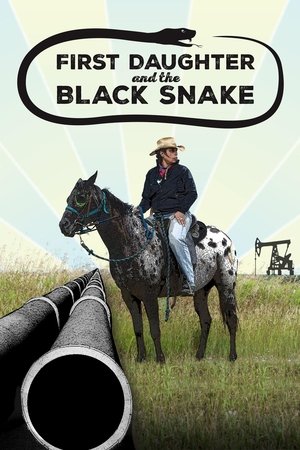
The “Prophecy of the 7th Fire” says a “black snake” will bring destruction to the earth. For Winona LaDuke, the “black snake” is oil trains and pipelines. When she learns that Canadian-owned Enbridge plans to route a new pipeline through her tribe’s 1855 Treaty land, she and her community spring into action to save the sacred wild rice lakes and preserve their traditional indigenous way of life. Launching an annual spiritual horse ride along the proposed pipeline route, speaking at community meetings and regulatory hearings. Winona testifies that the pipeline route follows one of historical and present-day trauma. The tribe participates in the pipeline permitting process, asserting their treaty rights to protect their natural resources. LaDuke joins with her tribe and others to demand that the pipelines’ impact on tribal people’s resources be considered in the permitting process.
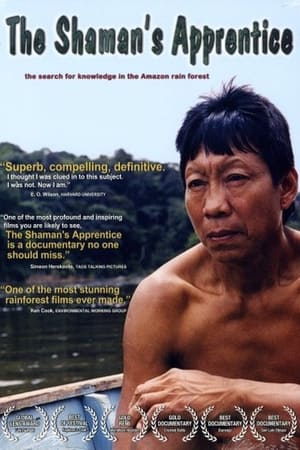
Scientist Mark Plotkin races against time to save the ancient healing knowledge of Indian tribes from extinction.
A rural Iowa schoolteacher becomes a national voice against racism after leading a controversial 1968 lesson in discrimination with her all-white third-grade class. Now nearly 90, she refuses to hold back amid today’s fights about race, history, and power after a lifetime of speaking out.
Lillian Smith: Breaking the Silence is a 50-minute documentary about the life and work of Georgia writer and activist Lillian Smith (1887 – 1966). This documentary explores her legacy and the life journey that led to her awakening, from her childhood experiences in a small southern town, to her years of living abroad in China, to directing a girls' summer camp in North Carolina. By the time she published a bestselling novel in 1944, her moral compass was finely tuned to the changes needed in the southern U.S., and she spent the next two decades confronting the ugly institution of segregation, saying that it harmed whites as much as blacks. In the decade before her death she wrote about the need for freedom and respect for everyone everywhere.
United States, September 1st, 2016. American football player Colin Kaepernick kneels during the national anthem, protesting police brutality against black people. Part of the population regards the gesture as an unacceptable affront to the flag. Later, he loses his place on his team. Today, however, he is considered by many as a true hero.
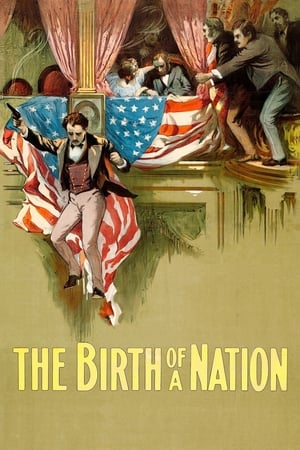
Two families, abolitionist Northerners the Stonemans and Southern landowners the Camerons, intertwine. When Confederate colonel Ben Cameron is captured in battle, nurse Elsie Stoneman petitions for his pardon. In Reconstruction-era South Carolina, Cameron founds the Ku Klux Klan, battling Elsie's congressman father and his African-American protégé, Silas Lynch.
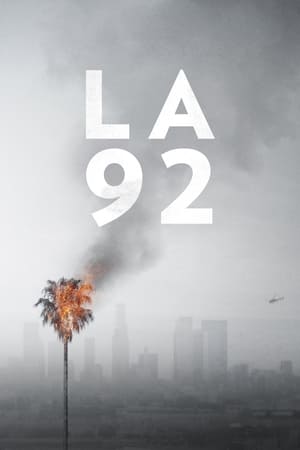
Twenty-five years after the verdict in the Rodney King trial sparked several days of protests, violence and looting in Los Angeles, LA 92 immerses viewers in that tumultuous period through stunning and rarely seen archival footage.
A group of German boys are ordered to protect a small bridge in their home village during the waning months of the second world war. Truckloads of defeated, cynical Wehrmacht soldiers flee the approaching American troops, but the boys, full of enthusiasm for the "blood and honor" Nazi ideology, stay to defend the useless bridge. The film is based on a West German anti-war novel of the same name, written by Gregor Dorfmeister.
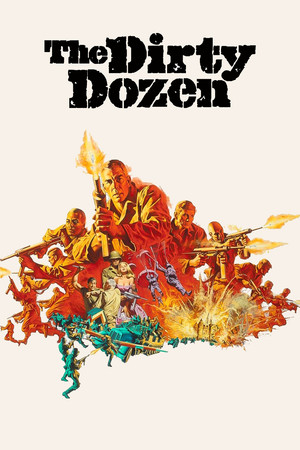
12 American military prisoners in World War II are ordered to infiltrate a well-guarded enemy château and kill the Nazi officers vacationing there. The soldiers, most of whom are facing death sentences for a variety of violent crimes, agree to the mission and the possible commuting of their sentences.
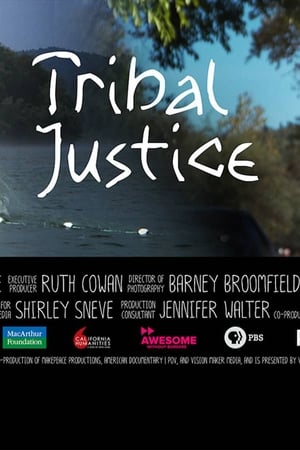
Two formidable Native American women, both chief judges in their tribe's courts, strive to reduce incarceration rates and heal their people by restoring rather than punishing offenders, modeling restorative justice in action.
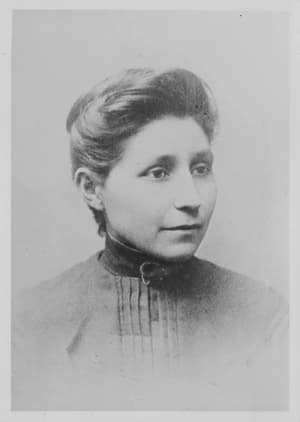
This short documentary tells the story of the life and legacy of Dr. Susan La Flesche Picotte, an Omaha woman who became the first Native American physician.
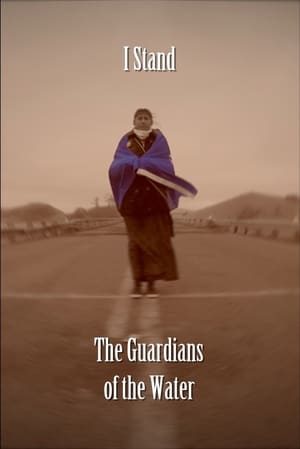
First hand interviews and on the ground footage give a stirring account of The Standing Rock Sioux Nation's and water protectors' opposition to the Dakota Access Pipeline
Four young girls prepare for a special Daddy Daughter Dance with their incarcerated fathers, as part of a unique fatherhood program in a Washington, D.C., jail.
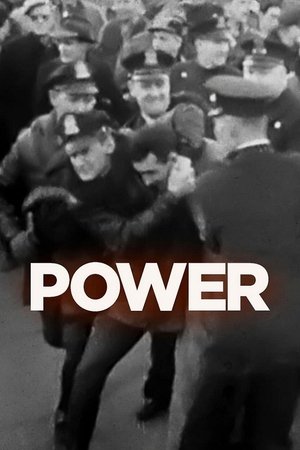
Driven to maintain social order, policing in the United States has exploded in scope and scale over hundreds of years. Now, American policing embodies one word: power.
The Tlingit and Haida people of Alaska were confused by the idea of America “buying” the land they lived on from the Russians. They would be among the first native people to make a successful claim on their homeland and rights.
John Rambo is released from prison by the government for a top-secret covert mission to the last place on Earth he'd want to return - the jungles of Vietnam.
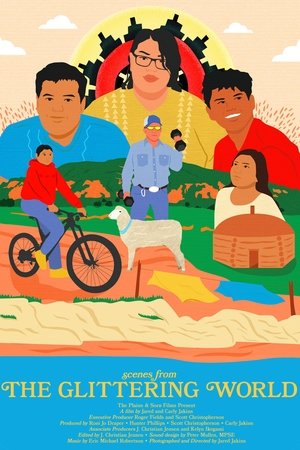
At the farthest edge of the Navajo Nation, the purpose and future of the most remote high school in the continental United States is in question while three Indigenous youth grapple with ambitious dreams, family responsibilities, and the isolated nature of their community.
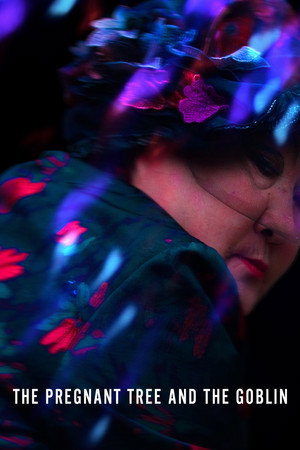
The movie, which seemed likely to be a video study by a local researcher on comfort women in the military camp town, is becoming an increasingly fictional world, including visits by the dead, resulting in historical, fantastic and allegorical results.
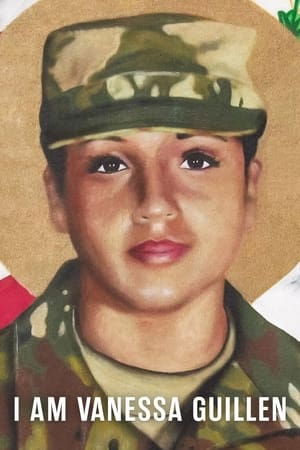
Vanessa Guillen was 20 years old when she was found murdered at a US Army base. Rather than submit to silence, her family fought for justice and change.
A pragmatic U.S. Marine observes the dehumanizing effects the U.S.-Vietnam War has on his fellow recruits from their brutal boot camp training to the bloody street fighting in Hue.