For more than 120 years, Mohawk ironworkers have raised America’s modern cityscapes. They are called 'sky walkers' because they walk fearlessly atop steel beams just a foot wide, high above the city. In this nuanced portrait of modern Native Americans' double lives, Jerry McDonald Thundercloud and his colleague Sky shuttle between the hard-drinking Brooklyn lodging houses they call home during the week and their rural reservation, a grueling drive six hours north, where a family weekend awaits. While the men are away working, their wives often struggle to keep their children away from the illegal temptations of an economically deprived area.
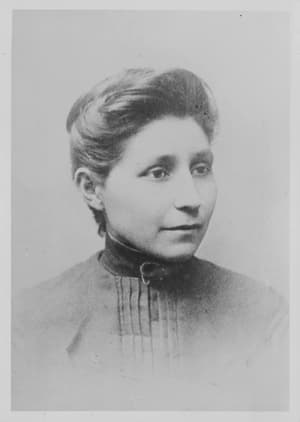
The story of an American hero and the Cherokee Nation's first woman Principal Chief who humbly defied all odds to give a voice to the voiceless.
A journey into four classical elements through the four main characters of the film. The main characters in the movie represent each of their own elements.
They call it ’blue gold.’ Around the world, demand for water is exploding. By 2050, at least one in four will live in a country suffering from water shortages - creating ideal conditions for a new market. Goldman Sachs, HSBC, UBS, Allianz, Deutsche Bank, BNP. Banks, investment funds and hedge funds are all rushing to invest billions of euros in anything related to water. A real monopoly of water has begun. From California to Australia, from New York to London via Marseille, we investigate the financialization of water. New power relations are being established and access to water is being threatened. It’s a battle taking place on many fronts: ideological, political, environmental, and of course, economic. The fate of nearly 10 billion inhabitants around the world depends on its outcome.
Twenty-five films from twenty-five European countries by twenty-five European directors.
A documentary account by award-winning filmmaker John Ferry of the events that led up to the 1969 Native American occupation of Alcatraz Island as told by principal organizer, Adam Fortunate Eagle. The story unfolds through Fortunate Eagle's remembrances, archival newsreel footage and photographs.
A story of the exploits carried out by the oil technicians of Baku for the exploitation of the black gold deposit of the Caspian Sea.
A documentary film about Comanche activist LaDonna Harris, who led an extensive life of Native political and social activism, and is now passing on her traditional cultural and leadership values to a new generation of emerging Indigenous leaders.
An experimental look at the origin of the death myth of the Chinookan people in the Pacific Northwest, following two people as they navigate their own relationships to the spirit world and a place in between life and death.
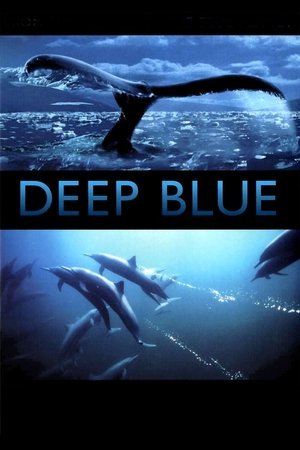
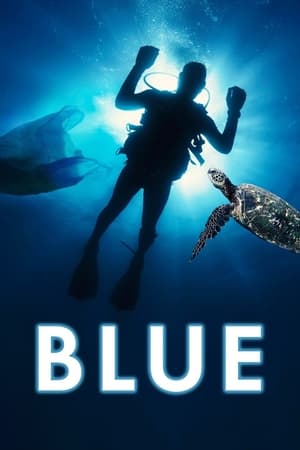
From space, our planet appears as a tiny blue dot in the vastness of space. Blue, because 99% of all living space on Earth occurs in the Ocean. But the seas are under threat. The industrialization that has occurred in the oceans over the last century mirrors the events that triggered mass extinctions on land. As we learn of the ecological crimes occurring worldwide, we also uncover the shocking truths happening on our own shorelines.
A meeting of the Far West Council elders inspires a discussion of Northwest Native American history and traditions, and the struggle to remember and honor their ancestry
A young Native American man on his way to visit his uncle learns about his Navajo heritage by attending tribal gatherings, traditional ceremonies and listening to old folktales.
Waters’ LIFT project, ᏗᏂᏠᎯ ᎤᏪᏯ (Meet Me at the Creek), is the fourth of a quartet of films, and focuses on interconnectedness and Cherokee values through the lifelong fight of Rebecca Jim, a Cherokee Nation citizen and waterkeeper warrior, as she leads the effort to restore Tar Creek in Miami, Oklahoma.
From the UFC Octagon in Las Vegas and the anthropology lab at Dartmouth, to a strongman gym in Berlin and the bushlands of Zimbabwe, the world is introduced to elite athletes, special ops soldiers, visionary scientists, cultural icons, and everyday heroes—each on a mission to create a seismic shift in the way we eat and live.
Made for screening at the U.S. Pavilion at the 1974 World's Fair in Spokane Washington, USA, which had a Native-American environmental theme, MAN BELONGS TO THE EARTH depicts the history of air, water, and earth pollution, and how environmentalists are trying to solve these problems using various technologies.
From both local and global perspectives, this documentary examines the harsh realities behind the mounting water crisis. Learn how politics, pollution and human rights are intertwined in this important issue that affects every being on Earth. With water drying up around the world and the future of human lives at stake, the film urges a call to arms before more of our most precious natural resource evaporates.
An intimate and thrilling portrait of a young Siksika woman and the deep bonds between her father and family in the golden plains of Blackfoot Territory as she prepares for one of the most dangerous horse races in the world… bareback.
Black Snake Killaz is a feature-length documentary film about the resistance to the Dakota Access Pipeline. This film explores actions taken by water protectors to stop the construction of the oil pipeline and highlights actions taken by law enforcement, military, and corporate mercenaries to quell the months-long protest. Black Snake Killaz timelines the historical events that unfolded in Standing Rock throughout 2016 and brings you the raw experience from many frontline actions to protect the water. Although the Dakota Access Pipeline is completed, the impact of the movement will be long-lasting. As fossil fuel extraction projects continue to impact some of the most vulnerable communities throughout the United States of America, the importance of the water protectors story grows.
A short documentary on the River Ouse, following it downstream from Lewes to Newhaven, meditating on the surrounding area.
In decades past, Native American artists who wanted to sell to mainstream collectors had little choice but to create predictable, Hollywood-style western scenes. Then came a generation of painters and sculptors led by Allan Houser (or Haozous), a Chiricahua Apache artist with no interest in stereotyped imagery and a belief that his own rich heritage was compatible with modernist ideas and techniques. Narrated by actor Val Kilmer and originally commissioned as part of an exhibit of Houser’s work at the Oklahoma History Center, this program depicts the artist’s tribal ancestry, his rise to regional and national acclaim, and the continuing success of his sons as they expand upon and depart from their father’s achievements. Key works are documented, as is Houser’s tenure at the Santa Fe–based Institute of American Indian Arts.