Documentary about creatures that have vampire tendencies, including bloodsucking moths in South America, vampire finches that drink the blood of other birds, and mosquitos.
Takes us to locations all around the US and shows us the heavy toll that modern technology is having on humans and the earth. The visual tone poem contains neither dialogue nor a vocalized narration: its tone is set by the juxtaposition of images and the exceptional music by Philip Glass.
This documentary follows various migratory bird species on their long journeys from their summer homes to the equator and back, covering thousands of miles and navigating by the stars. These arduous treks are crucial for survival, seeking hospitable climates and food sources. Birds face numerous challenges, including crossing oceans and evading predators, illness, and injury. Although migrations are undertaken as a community, birds disperse into family units once they reach their destinations, and every continent is affected by these migrations, hosting migratory bird species at least part of the year.
Les défis de la Grande Barrière de corail
Asia is home to the world's most lethal serpents, but which of its scores of slithering predators is the deadliest? Join venom expert Bryan Fry on his cross-continental quest to find the perfect serpentine killer.
A unique celebration of one of Earth's most iconic birds, featuring all 18 species in footage from New Zealand, Cape Town, the Galapagos Islands and Antarctica.
A showcase for breathtaking shark behaviour, covering a wide variety of species across the coastal waters of the US.
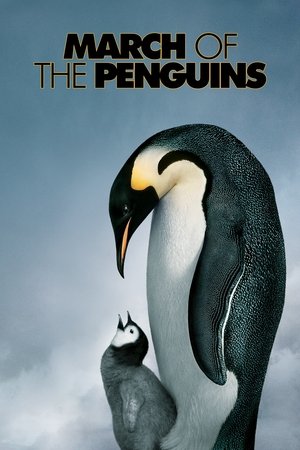
Every year, thousands of Antarctica's emperor penguins make an astonishing journey to breed their young. They walk, marching day and night in single file 70 miles into the darkest, driest and coldest continent on Earth. This amazing, true-life tale is touched with humour and alive with thrills. Breathtaking photography captures the transcendent beauty and staggering drama of devoted parent penguins who, in the fierce polar winter, take turns guarding their egg and trekking to the ocean in search of food. Predators hunt them, storms lash them. But the safety of their adorable chicks makes it all worthwhile. So follow the leader... to adventure!!
A compilation episode of the wildlife documentary series presented by David Attenborough, uncovering the secrets of animals across the globe.
An epic story of adventure, starring some of the most magnificent and courageous creatures alive, awaits you in EARTH. Disneynature brings you a remarkable story of three animal families on a journey across our planet – polar bears, elephants and humpback whales.
An Otter Study is a 1912 British short black-and-white silent documentary film, produced by Kineto, featuring an otter in its natural habitat, including groundbreaking footage of underwater hunting scenes. The film provided a novel treatment of the creature, which had previously appeared on film only as the victim of hunt films, with the unique underwater footage, shot by a cameraman behind glass in a tank concealed on the bed of the river in the opening scene, and a concluding scene, excised from the surviving print, in which it escapes the hunters. It was long thought lost until footage from a 1920s Visual Education re-release of the film, re-edited under the supervision of Professor J Arthur Thomson of Aberdeen University's Natural History Department, was rediscovered.
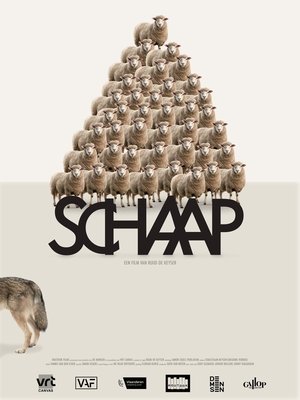
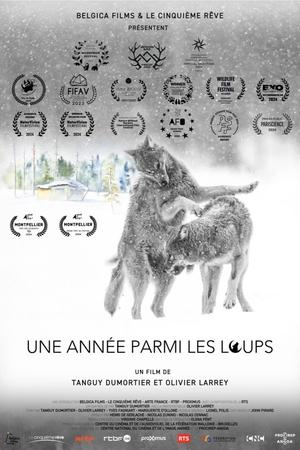
A dramatized tale of how wolves recovered in Europe after almost going extinct.
Norfolk Island, 800 miles off the coast of Australia, is home to some of the largest tiger sharks in the world. As strange as it sounds, some think this small island in the middle of the South Pacific has become like a drive-thru burger joint for tiger sharks to gorge on meat. For the first time, scientists are diving in to answer why there are so many huge tigers there. Shark biologists Lauren Meyers, Charlie Huveneers and Adam Barnett lure the giants to their boat to investigate and make a surprising discovery.
Attack of the Red Sea Sharks investigates why sharks killed three people in less than a year in the coastal waters of Red Sea resorts. Multiple witnesses captured the gruesome attacks, with the videos quickly going viral, sparking confusion and hysteria. Are these attacks part of a growing trend that is becoming more common worldwide? A team of scientists launches a global pursuit to answer that question and find ways to prevent future attacks.
Sir David Attenborough narrates a documentary about the Kea, the world's only alpine parrot. Playful and destructive, it attacks cars, starts landslides and terrorises New Zealand ski resorts but behind the bad behaviour there's a sharp mind at work. David tries to play chess with a kea and discovers how its cheeky character is the key to its survival.
P22 is the most famous cat in America, a mountain lion who lives in Griffith Park in the middle of LA. This is his amazing story.
As the largest island in the Caribbean, Cuba is host to spectacular wildlife found nowhere else on the planet: from the jumping crocodiles of the Zapata swamp to the world's tiniest hummingbird, from thousands of migrating crabs to giant, bat-eating boas that lie in wait for easy prey. Decades of a socialist, conservation-minded government, American embargoes and minimal development have left the island virtually unchanged for 50 years. As international relations ease, what will become of this wildlife sanctuary?
Cats are cuddly felines and lovely pets, but also highly evolved predators that hunt huge amounts of small mammals, birds and reptiles; perfect killing machines that threaten delicate ecosystems around the world.
The billfish are the biggest, fastest, and most dangerous gamefish in the sea. All have captured man's imagination like few other creatures, whether it's the graceful sailfish, the menacing swordfish or queen of them all, the marlin, immortalized by Hemingway in 'The Old Man and the Sea'. Marine biologist and film-maker Rick Rosenthal has travelled three oceans in his attempt to capture them all on film, and in doing so has become a passionate champion for these endangered yet little-known ocean giants.
Ten years after the film Home (2009), Yann Arthus-Bertrand looks back, with Legacy, on his life and fifty years of commitment. It's his most personal film. The photographer and director tells the story of nature and man. He also reveals a suffering planet and the ecological damage caused by man. He finally invites us to reconcile with nature and proposes several solutions