For several decades, geoscientists have been observing that the Earth is changing rapidly due to human intervention. This action has such a great impact on the biological, geological and atmospheric processes of the Earth that some scientists speak of the dawn of a new epoch: the Age of Man or the Anthropocene.
How were the giant stone heads of Rapa Nui – also known as Easter Island – carved and raised, and why? Since Europeans arrived on this remote Pacific island over 300 years ago, controversy has swirled around the iconic ancient statues and the history of the people who created them. Now, a new generation of researchers is overturning old theories, revealing the rich history, innovation, and resilience of the Rapanui people, and uncovering intriguing new evidence about where they – and their practice of monumental stone building – came from.
Since the summer of 2020, boats along the Atlantic coast from the Strait of Gibraltar to the Bay of Biscay in the north have been repeatedly attacked by orcas. The whales purposefully attack the rudders and destroy them. Researchers are trying to find out what drives them. Curiosity? Competition for food? Or play?
Why did the Roman Empire, which dominated Europe and the Mediterranean for five centuries, inexorably weaken until it disappeared? Archaeologists, specialists in ancient pathologies and climate historians are now accumulating clues converging on the same factors: a powerful cooling and pandemics. A disease, whose symptoms described by the Greek physician Galen are reminiscent of those of smallpox, struck Rome in 167, soon devastating its army. At the same time, a sudden climatic disorder that was underway as far as Eurasia caused agricultural yields to plummet and led to the westward migration of the Huns. Plagued by economic and military difficulties, attacked from all sides by barbarian tribes, the Roman edifice gradually cracked.
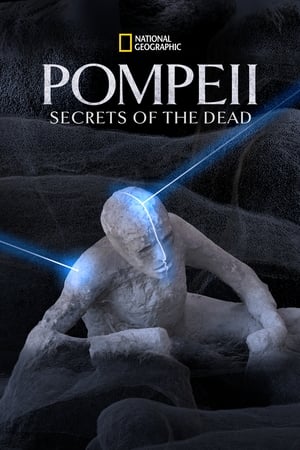
Forensic experts scan Pompeii’s victims to investigate why they didn’t escape the eruption.
Explore an extraordinary region where water and land life intermingle six months out of the year.
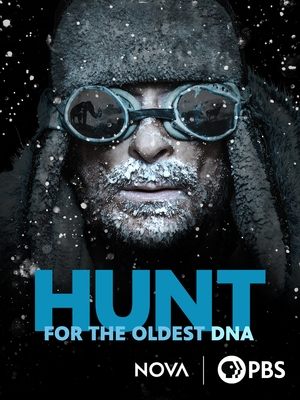
Three million years ago, camels roamed through Greenland’s endless forests and our ancestors lived in the trees. It all came to an end with the Ice Ages. What died and what survived, as natural selection shaped the evolutionary tree during this epochal shift from hot to cold? Until now, scientists have known less about the natural world before the Ice Age than they did about the age of dinosaurs, which ended 64 million years ago. A new discovery is set to reveal this lost world, species by species. Led by Danish gene-hunter Eske Willerslev, a team of scientists for the first time in history is sequencing DNA from before the Ice Age. The picture that emerges is of a hot planet, when forests blanketed the Arctic and carbon levels matched those in our atmosphere today. Is this a portrait of our own climate future?
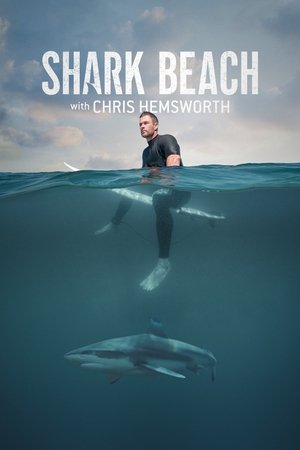
Chris Hemsworth has a real passion for sharks. The Hollywood star talks to experts to find out more about the apex predators of the oceans.
The world's leading Egyptologists are on a quest to uncover the secrets of Howard Carter's history-making discovery of Tutankhamun's tomb on the 100th anniversary of its discovery. Now, as the treasures of Tut are being moved from the Cairo Museum to the brand new Grand Egyptian Museum at the foot of the pyramids, Zahi and others can examine them up close with the latest technology like never before. The result rewrites what we thought we knew about the Boy King.
Explores the Pyramids of Giza as Egyptologists try to unravel the mysteries and decipher the clues behind these stone giants built over 4,500 years ago.
Iznik, les mystères de la basilique engloutie
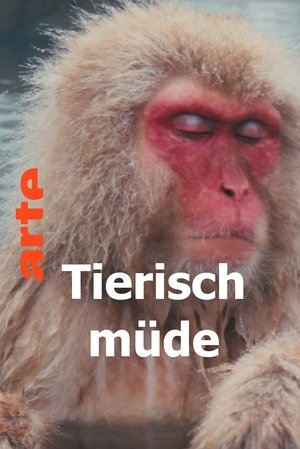
Tierisch müde - Das Rätsel Schlaf
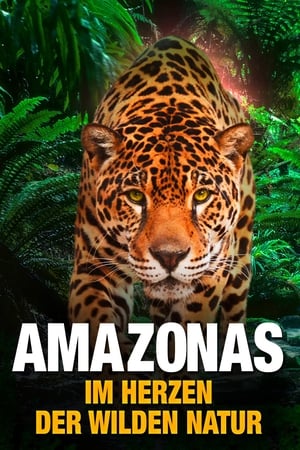
Explore the mysterious Amazon through the amazing IMAX experience. Amazon celebrates the beauty, vitality and wonder of the rapidly disappearing rain forest.
The Shipibo-Konibo people of Peruvian Amazon decorate their pottery, jewelry, textiles, and body art with complex geometric patterns called kené. These patterns also have corresponding songs, called icaros, which are integral to the Shipibo way of life. This documentary explores these unique art forms, and one Shipibo family's efforts to safeguard the tradition.
In 1872, in the cave of Cavillon in Monaco, archaeologist Émile Rivière (1835-1922) unearthed an apparently very old human skeleton, at least 24,000 years old, a discovery that changed the modern image of prehistoric men and women.
James, giving himself 12 months before he has "a license to kill himself," sets off to the Amazon rainforest with hopes of finding a shaman who can save his life.
Five times, Earth has faced apocalyptic events that swept nearly all life from the face of the planet. What did these prehistoric creatures look like? What catastrophes caused their disappearance? And how did our distant ancestors survive and give rise to the world we know today?
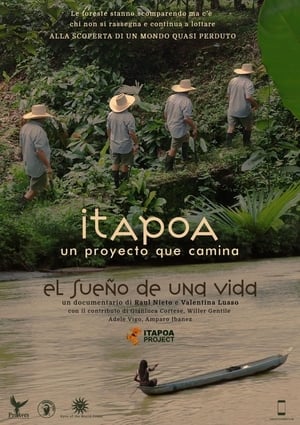
The documentary recreates the mythical journey made by the native peoples of Sarayaku in the Amazon, who navigated down the river for months until they reached Kachi Urku, the mountain of salt.
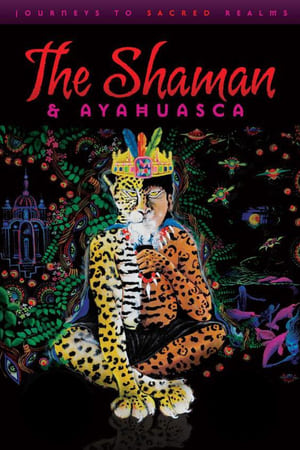
This documentary examines ayahuasca shamanism near Iquitos (a metropolis in the Peruvian Amazon), and the tourism it has attracted. The filmmakers talk with two ayahuasqueros, Percy Garcia and Ron Wheelock, as well as ayuahuasca tourists and local people connected with the ayahuasca industry.
Embark on a delightful journey into the world of dogs in this documentary that reveals scientific and emotional insights about our lovable BFFs.