Every day, the world over, large amounts of high-level radioactive waste created by nuclear power plants is placed in interim storage, which is vulnerable to natural disasters, man-made disasters, and to societal changes. In Finland the world’s first permanent repository is being hewn out of solid rock – a huge system of underground tunnels - that must last 100,000 years as this is how long the waste remains hazardous.
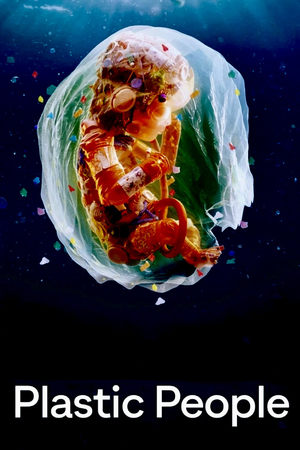
Are we becoming Plastic People? Our ground-breaking feature documentary investigates our addiction to plastic and the growing threat of microplastics on human health. Almost every bit of plastic ever made ends up ground down into "microplastics". These microscopic particles drift in the air, float in the water and sit in the soil. And now, leading scientists are finding them in our bodies: organs, blood, brain tissue and even the placentas of new mothers. What is the impact of these invisible invaders on our health? Ziya Tong, author and science journalist, makes it personal by visiting leading scientists and undergoing experiments in her home, on her food, and on her body.
Armed with realistic bird puppets, trickster environmental activists pretend to be oil company Total—staging a satirical press conference to introduce “RéHabitat,” a program to rescue animals from the East African Oil Pipeline by relocating them to “more sustainable” habitats. Using humor and mischief, they expose a deadly ecological disaster in a zany effort to help #StopEACOP.
Vigilantes del Planeta
This compelling Emmy Award winning documentary shows the dirty side of hydraulic fracturing and natural gas, an energy source the industry touts as a clean alternative to fossil fuels.
With humor, chutzpah and a piece of vinyl siding firmly in hand, Peabody Award-winning filmmaker Judith Helfand and co-director and award-winning cinematographer Daniel B. Gold set out in search of the truth about polyvinyl chloride (PVC), America's most popular plastic. From Long Island to Louisiana to Italy, they unearth the facts about PVC and its effects on human health and the environment.
This is one of the most beautiful rewilding stories of our time, that of Douglas and Kristine Tompkins, a couple of successful entrepreneurs – The North Face and Esprit – who decided to dedicate themselves to protecting vast territories in Patagonia. The results of their actions are astounding: in 30 years they enabled the creation and expansion of 18 national parks between Chile and Argentina, covering a total area of 7 million hectares, equivalent to the size of a country like Ireland. By transforming these spaces and reconstructing natural ecosystems, the development of these parks has also enabled the creation of social bonds, developed a new form of economic activity, brought forth a political space, and contributed to strengthening the population’s sense of belonging to their territories.
Over 90 percent of the available lands in the Greater Chaco region of the Southwest have already been leased for oil and gas extraction. Witness the Indigenous-led work to protect the remaining lands that are untouched by oil and gas, as well as the health and well-being of communities surrounded by these extractive industries.
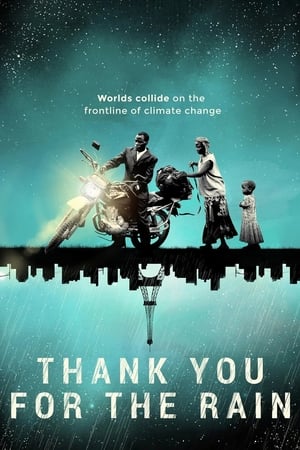
Anita Chitaya has a gift: she can help bring abundant food from dead soil, she can make men fight for gender equality, and maybe she can end child hunger in her village. Now, to save her home in Malawi from extreme weather, she faces her greatest challenge: persuading Americans that climate change is real. Traveling from Malawi to California to the White House, she meets climate sceptics and despairing farmers. Her journey takes her across all the divisions that shape the USA: from the rural-urban divide, to schisms of race, class and gender, and to the American exceptionalism that remains a part of the culture. It will take all her skill and experience to help Americans recognise, and free themselves from, a logic that is already destroying the Earth.
Un jour en Italie
Narrated by Matt Damon, Plan B is a 90 minute documentary based on the book by environmental visionary Lester Brown. Shot on location around the world, the film's message is clear and unflinching -- either confront the realities of climate change or suffer the consequences of lost civilizations and failed states. Ultimately Plan B provides audiences with a glimpse into a new and emerging economy based upon renewable resources as well as strategies to avoid the growing threat of global warming. Appearing with Lester Brown are Nobel Laureate Paul Krugman, Pulitzer Prize winner Tom Friedman, former Governor and Secretary of the Interior Bruce Babbitt, along with other scholars and scientists. Locations include: China, Japan, South Korea, India, Italy, Turkey, Bangladesh, Zambia, Haiti, and the U.S.
Natives and activists prevent an energy company from destroying the environment in search of natural gas in New Brunswick, Canada.
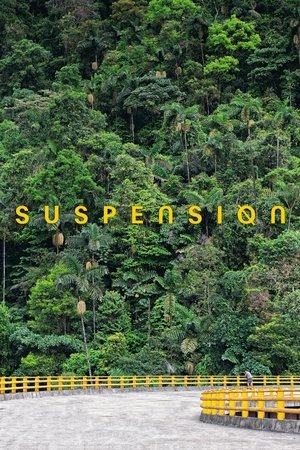
In the depths of the Colombian jungle, the skeleton of an immense abandoned cement bridge is tucked away. It has turned into a delusional tourist attraction.
Africa's development is being held back by poor infrastructure and undersized power plants. Countries like Uganda can only produce only 1/4 of the energy needed, leading to daily power cuts with disastrous economic impacts. It's a golden opportunity for nuclear giants who lobby aggressively for more power plants in Africa. But how safe are these new reactors? And what do they mean for the locals?
Emília Pedro e Fernanda Jorge revisit childhood memories to identify over 70 land parcels inherited from their father. As physical traces fade, memory and oral tradition become the only way to 'see' what is no longer visible.
Revealing St. Louis, Missouri's atomic past as a uranium processing center for the atomic bomb and the governmental and corporate negligence that lead to the illegal dumping of Manhattan Project radioactive waste throughout North County neighborhoods.
Prêts pour la décroissance?
The remarkable true story of three animal species rescued from the brink of extinction: California’s enchanting Channel Island Fox, China’s fabled Golden Monkey, and the wondrous migrating crabs of Christmas Island. Discover successful, heartfelt, and ingenious human efforts to rescue endangered species around the world.
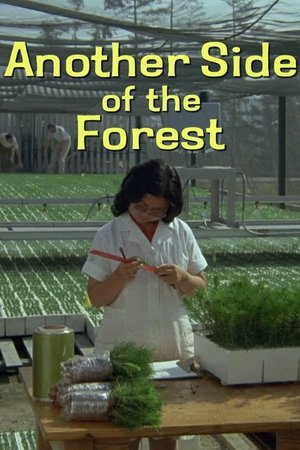
The film discusses the various uses of land for producing food, clothing, and shelter. It explains how different types of land are cultivated for growing crops, raising livestock, and sourcing raw materials for clothing like cotton, wool, and leather. The film also covers the extraction of resources for building materials, such as lumber, clay, stone, and iron ore. Additionally, it touches on the production of plastics and synthetic materials from minerals. The film emphasizes the importance of making wise decisions in land use, balancing agricultural, industrial, and recreational needs, and the necessity of conserving land for its natural beauty and environmental value.
When the water in her small Mexican town proves to be radioactive, a young mom suddenly finds herself leading a local resistance movement. Her life is upended when she has to face a powerful and corrupt government hellbent on burying the truth.