A documentary on the rise and fall of Project Cybersyn, an attempt at a computer-managed centralized economy undertaken in Chile during the presidency of Salvador Allende.
Memoirs of a Spectrum Addict is a full length documentary feature film which takes a detailed look at the ZX Spectrum, its history, developers, games and fans. The film is a unique tribute to the Sinclair ZX Spectrum. Memoirs of a Spectrum Addict has re-enactments, interviews like you’ve never seen before with major Spectrum industry figures, and features real people who grew up influenced by the Sinclair ZX Spectrum!
"Give me ten million dollars and trust me, we'll deliver a low-cost microprocessor compatible with Intel". This was former IBM Fellow and Dell Senior VP Glenn Henry's 1995 pitch to start a microprocessor company focused on low-cost Intel-compatible processors ("x86"). This documentary follows Henry and his team as they race to complete their latest chip, and offers an inside look at Centaur's unique management environment.
Portrait of the early era of computing which examines the workings of a new and mysterious machine: the Canada Land Inventory Geo-information System. This "instant library" was created to help assess and document the geographical landscape, including sampling and analysis of soil, forestry, timber, wildlife, resources, industrial sites, and many other aspects.
This Is A.I. follows the history, development and future of artificial intelligence in different aspects of our lives. Interviewed experts give their opinion on the various ways this 'smarter' future is going to impact us.
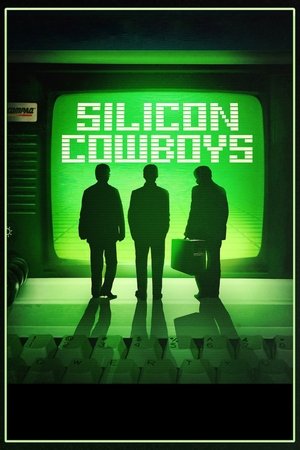
Launched in 1982 by three friends in a Houston diner, Compaq Computer set out to build a portable PC to take on IBM, the world’s most powerful tech company. Many had tried cloning the industry leader’s code, only to be trounced by IBM and its high-priced lawyers. Explore the remarkable David vs. Goliath story, and eventual demise, of Compaq, an unlikely upstart who altered the future of computing and helped shape the world as we know it today.
Dr Hannah Fry and a virtual host present a new way of making television, as the BBC uses artificial intelligence to delve into the treasures of the BBC Archive.
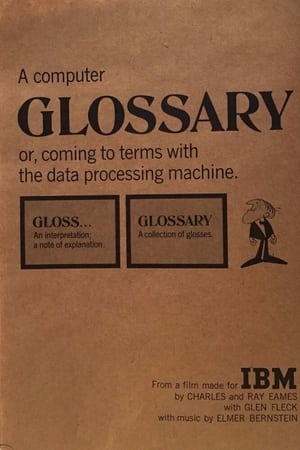
From hardware to software, the basics of then-current computing technology is explained.
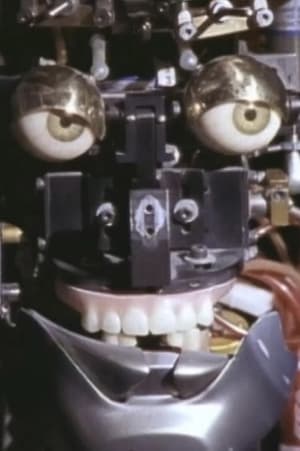
Comprehensive survey of robotics filmed in the leading labs of the world (primarily the United States and Japan) and featuring experts such as Rodney Brooks of MIT and William “Red” Whittaker of Carnegie Mellon University. Incorporates pop culture robots with the less glamorous real world and delves into the ultimate issues of what constitutes life and whether consciousness is a product of intelligence.
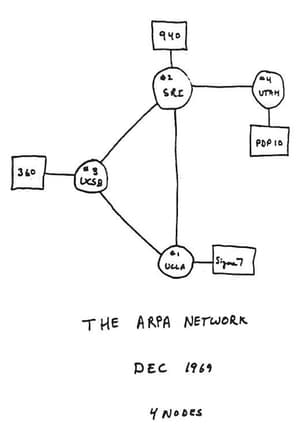
Computer Networks: The Heralds of Resource Sharing
Charles Babbage (1791-1871), computer pioneer, designed the first automatic computing engines. He invented computers but failed to build them. The first complete Babbage Engine was completed in London in 2002, 153 years after it was designed. Difference Engine No. 2, built faithfully to the original drawings, consists of 8,000 parts, weighs five tons, and measures 11 feet long. We invite you to learn more about this extraordinary object, its designer Charles Babbage and the team of people who undertook to build it. Discover the wonder of a future already passed.
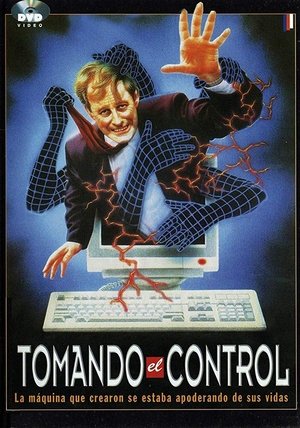
George Oppenheimer has two problems: an eccentric wife and an uncontrollable child. At work his team invented a computer with personality. George thinks the computer is faster, smarter and elegant. When his life falls apart, the computer offers suicide as the only alternative.
Ordinary people suddenly find themselves face-to-face with a mysterious, silent camera operator.
Explains Heo Jun’s Dongui Bogam [동의보감] which is an important book in traditional Korean medicine. Heo Jun [허준] was a court physician during the reign of King Seonjo of the Joseon dynasty in Korea.
'Bo' Gritz is one of America's highest decorated Vietnam veterans and the real life inspiration behind Rambo. He also killed 400 people, turned against Washington and moved to the Nevada desert where he now sleeps with many weapons. Filmed over ten years using impressive visual material, Zimmerman's portrait of Bo embodies contemporary American society in all its dizzying complexity and contradictions.
“The Revolution They Remember” compiles selected excerpts from interviews of Chinese who recall their experiences of the Cultural Revolution era, 1966-1976, drawing on more than 120 interviews in the oral history projects of the University of Pittsburgh Library and the Dartmouth College Library. The film offers rich visual material, arranging the interviews according to the historical chronology of events, with attention to age, gender, geographic breadth, and social groups. It concludes with reflections of participants and scholars on the era and its legacies today.
Varjoja Radalla is a documentary film about surviving traumatic incidences. The film is following stories of train drivers who have all unwillingly be part of fatality caused by suicides and accidents. These fatalities are common in Finland and as often as once per week, at least one person gets killed by a locomotive. These incidences cause great deal of emotional pain and many drivers are suffering from PTSD. The film is showing how peer support and talking is helping these people to release their pain. The film is focused on one weekend in a countryside where group of train drivers are talking about their experiences and what has helped them to move on with their lives.
De'aundre Bonds, actor most known for playing "Stacy" in "The Wood" tells it all in this thrilling documentary about his life. From childhood to the silver screen to prison and back again.
On a bustling footbridge separating Argentina and Paraguay, where people traffic all kinds of things in a mix of Guarani and Spanish, we meet Angel. Over the course of the next ten years, Angel will have to make decisive choices for his future.
In this documentary film, a companion to the book, Arai interviews five women from Ofunato, ages 79 to 100, who have survived as many as three tsunami in the past century! They talk about their childhood memories, their fortitude in the face of war and natural disaster, and the extraordinary depth of spoken Kesengo. Director Suzuki Yoi’s rich poetic sensibility offers a vision of humanity in all its complexity, as the film weaves together their Takuboku translations, poetry by the women themselves, and local songs. Their stories and their language will become a part of everyone who listens to their voices