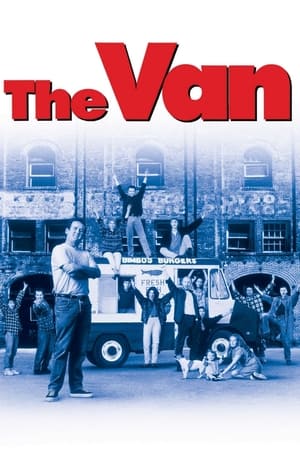
In a working-class quarter of Dublin, 'Bimbo' Reeves gets laid off from his job and, with his redundancy payout, buys a van and sells fish and chips with his buddy, Larry. Due to Ireland's surprising success at the 1990 FIFA World Cup, their business starts off well, but the relationship between the two friends soon becomes strained as Bimbo behaves more like a typical boss.
An advertising man is slowly sliding downhill. When he is fired from his job in Detroit, he signs up for unemployment. One day they find him a job: teaching thinking skills to Army recruits. He arrives on base to find that there is no structure set up for the class.
Master painter Hans Moll and his wife, the television announcer Ms. Wellinek and her husband, and the German-Russian Jew Yevgenia have many things to live on: food, drink, an apartment. What they do not have is work. They all discover the yearning for a chance to start all over again and bring themselves back to life.
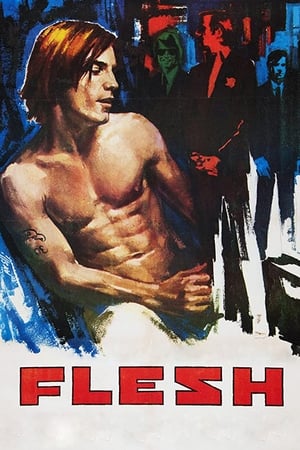
A heroin junkie works as a prostitute to support his habit and fund an abortion needed by the girlfriend of his lesbian wife. His seedy encounters with delusional and damaged clients, and dates with drag queens and hustlers are heavy on sex, drugs and decadence.
Sarah and Tom are in terrible financial trouble. On the brink of losing everything, they’ve managed to find a buyer for their stylish London home. When their best friends Richard and Beth come round for a final dinner, an uninvited old friend, Jessica, tags along.
An intimate study of two women friends who come to each other because of troubles with everyday life and with men and thus try to enjoy a life based on their ideas.
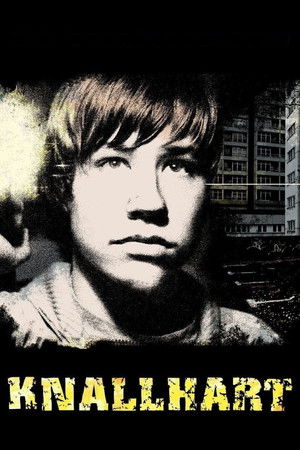
From the youth directed novel of the same name by Greogor Tressnow comes a film by Detlev Buck that is a realistic portrait of life in the section of Berlin called Neukölln. It’s about power and weakness, delinquents and victims, and the difficulties a 15-year-old faces in a poor and criminal environment.
The inspirational true story of a woman who decides to bake 100 apple cakes and sell them at $40 each in order to save her home – and how this idea completely changes her and her family.
Kuhle Wampe takes place in early-1930s Berlin. The film begins with a montage of newspaper headlines describing steadily-rising unemployment figures. This is followed by scenes of a young man looking for work in the city and the family discussing the unpaid back rent. The young man, brother of the protagonist Anni, removes his wristwatch and throws himself from a window out of despair. Shortly thereafter his family is evicted from their apartment. Now homeless, the family moves into a garden colony of sorts with the name “Kuhle Wampe.”
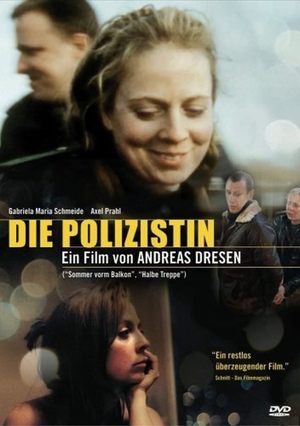
A young police woman is faced with the difficulties between her responsibilities at work and her personal responsibilities.
Two childhood friends are recruited for a suicide bombing in Tel Aviv
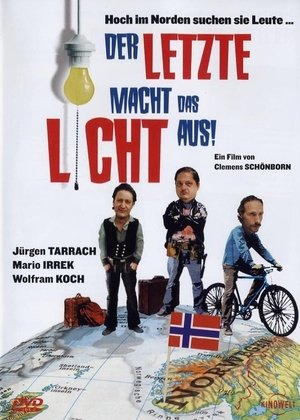
The Berlin construction workers Micha, Silvio and Norbert are out of work. The way out spells - Norway. Because German craftsmen are in demand. The three, with 17 other desperate people, are bawling Norwegian and preparing themselves for "it's always just salmon" and fearing the darkness. Too bad that their wives have other plans.
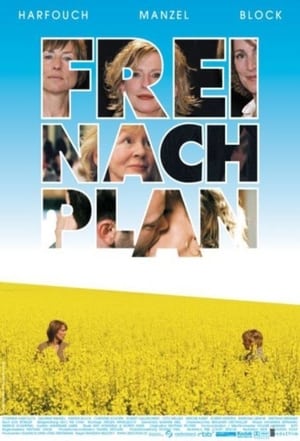
It's mom's birthday and her three daughters want to throw a big party. But everything turns out differently. It's not just because the divorced dad arrives a few days early and brings his much-too-young new girlfriend with him, or because the birthday girl has to stage the end of the world with her village theater group.
Impoverished priest Harihar Ray, dreaming of a better life for himself and his family, leaves his rural Bengal village in search of work. Alone, his wife, Sarbojaya, looks after her rebellious daughter, Durga, and her young son, Apu, as well as Harihar's elderly aunt Indir. The children enjoy the small pleasures of their difficult life, while their parents suffer the daily indignities heaped upon them.
Ian is an aspiring autistic photographer who struggles with a painful memory and unemployment, following the loss of his support worker Janet.
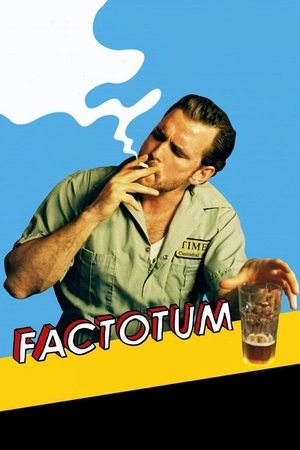
This drama centers on Hank Chinaski, the fictional alter-ego of "Factotum" author Charles Bukowski, who wanders around Los Angeles, CA trying to live off jobs which don't interfere with his primary interest, which is writing. Along the way, he fends off the distractions offered by women, drinking and gambling.
Slavica is living on the margins of society, always skirting borders of what is legal. She is trying to change her ways and to make a living, but it turns out to be an impossible achievement for her. Not having any other means to survive, she turns to stealing, but is quickly apprehended and severely sentenced. She tries to cover her tracks and takes on the identity of Marija, a successful scientist who is preparing her PhD in psychoanalysis. The real Marija learns about this identity theft, which awakens an interest in Slavica's way of life. The two of them switch identities and discover worlds which are sure to change them.
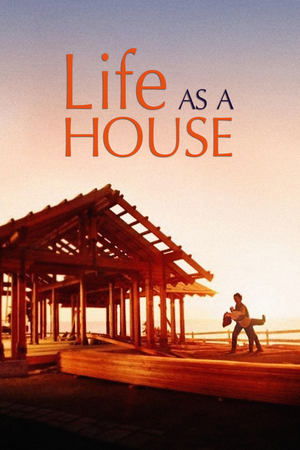
When a man is diagnosed with terminal cancer, he takes custody of his misanthropic teenage son, for whom quality time means getting high, engaging in small-time prostitution, and avoiding his father.
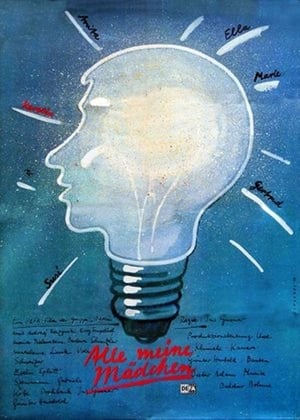
Ralf Paeschke is a film student who has to make a documentary film about a group of women working in a lamp factory. There is brazen Susie, mischievous Kerstin, lonely Anita, single Ella, withdrawn Gertrud and the imposing forewoman. When Kerstin is suspected of stealing, tension among the women mounts. Ralf demands that things be clarified, and his film plays an unexpected role in the matter.
Young, impulsive Rosetta lives a hard and stressful life as she struggles to support herself and her alcoholic mother. Refusing all charity, she is desperate to maintain a dignified job.