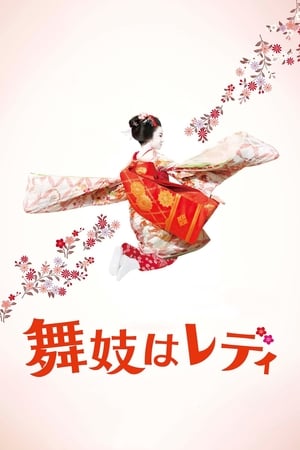
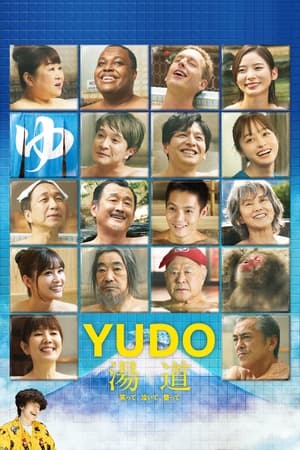
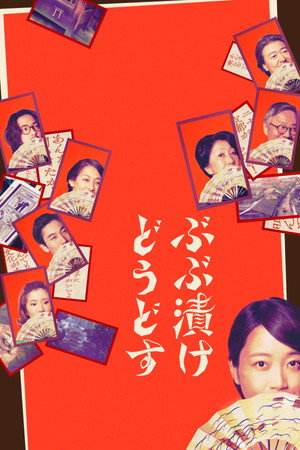
Rinko inherits her parents’ public bath after they pass away. She starts to manage the business with the help of an old and experienced worker, Mr. Tame. However, she soon realizes traditional public bath are no longer marketable in this new century. Rinko thinks of a "Bikini Body Wash Service" to attract more customers.
As a group of university students go out for a night on the town, a sophomore known only as "The Girl with Black Hair" experiences a series of surreal encounters with the local nightlife – all the while unaware of the romantic longings of "Senpai", a senior student who has been creating increasingly fantastic and contrived reasons to run into her in an effort to win her heart.
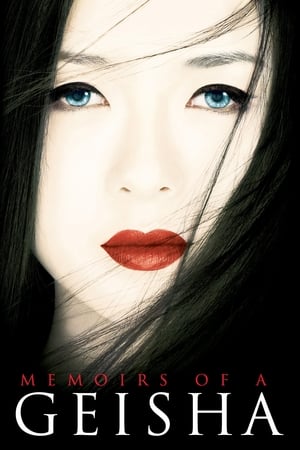
In the years before World War II, a penniless Japanese child is torn from her family to work as a maid in a geisha house.
Chieko Sanda has operated a dry goods store in Kyoto for the past 20 years. Her family has owned the store for generations. Chieko is conflicted on whether her daughter Mai will take over her position with the changing of times. Mai is a college student and has not decided whether to take another job or take over the dry goods store. Meanwhile, Mitsuko Nakata runs a forestry in the outskirts of Kyoto. Mitsuko is Chieko Sanda’s twin sister, but they were separated at an early age. Mitsuko is in serious financial difficulties. Mituko's daughter, Yui, has talent in art and she goes to France. There, Yui feels a sense of powerlessness. Mitsuko notices and goes to Paris to see her daughter. Mai travels to Paris to take part in an event to show Japanese culture.
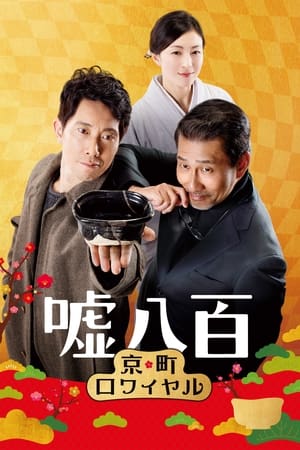
The one-hundred-year-old Fujiya inn stands in the quiet region of Kyoto. Mikoto is standing in front of the Kibune river at the back of the building when she is called back to work. But two minutes later, she finds herself back at the river again. The whole inn seems to be stuck in a time loop!
In the early 1920s, Yasuko, a budding actress, crosses paths with Chūya Nakahara, a young poet destined to be revered as a genius. Drawn to each other by their shared pretentiousness, they begin living together and quickly fall into a complex relationship. Their lives take a dramatic turn when they move to Tokyo and are visited by Hideo Kobayashi, a friend of Chūya’s who would later emerge as one of Japan's foremost literary critics. This seemingly chance encounter not only alters Yasuko's fate but also entwines the three of them in an intense and inescapable destiny.
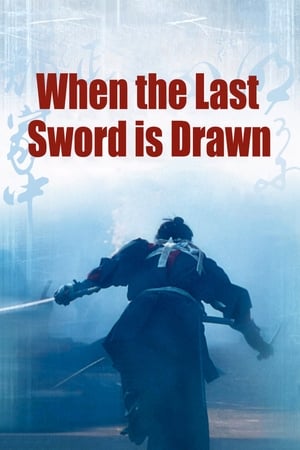
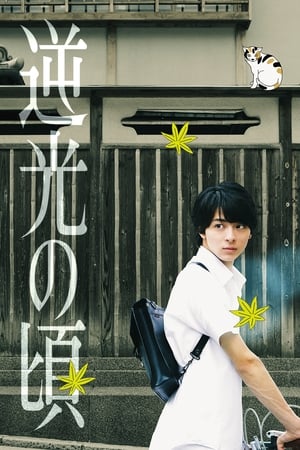
Kanichiro Yoshimura is a Samurai and Family man who can no longer support his wife and children on the the low pay he receives from his small town clan, he is forced by the love for his family to leave for the city in search of higher pay to support them.
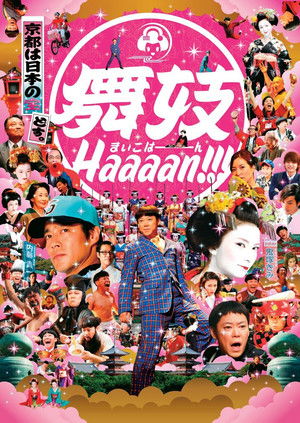
Kimihiko Onizuka is a salaryman infatuated with maiko (apprentice geisha) and whose greatest goal in life is to play a party game called "yakyuken" with one.
Country bumpkin Haruko only ever wanted to become a maiko, an apprentice geisha. Initially rebuffed for lack of references, Haruko's strong accent intrigues a linguistics professor, who undertakes to coach her.
The family of an older man who runs a small sake brewery become concerned with his finances and his health after they discover him visiting an old mistress from his youth.
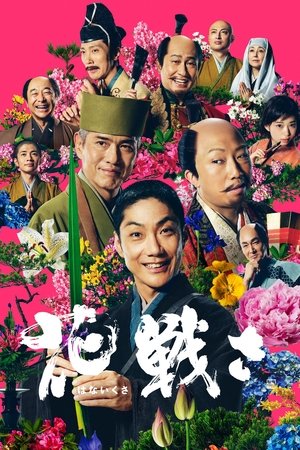
In the late 16th century, after the death of Nobunaga Oda, Hideyoshi Toyotomi takes power. The age of war is about to end, but Hideyoshi Toyotomi's rule makes life difficult for the people. Monk Senko Ikenobo is a master of flower arrangement. He prays for peace in the world and tries to give hope to the people with flower arrangement. He becomes good friends with Rikyu. Rikyu is a monk and a politician. He has the most profound influence on chanoyu. Rikyu is forced to commit hara-kiri by Hideyoshi Toyotomi’s order. Monk Senko Ikenobo challenges Hideyoshi Toyotomi.
Set in an old merchant house in Kyoto, the film traces the passing of an era through the story of a parent and child.
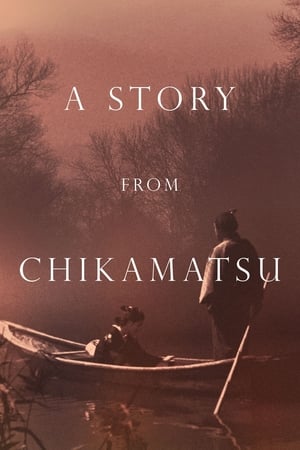
When the wife of a 17th century Kyoto scroll-maker is falsely accused of having an affair with his best employee, the pair flee the city and find themselves falling for one another.
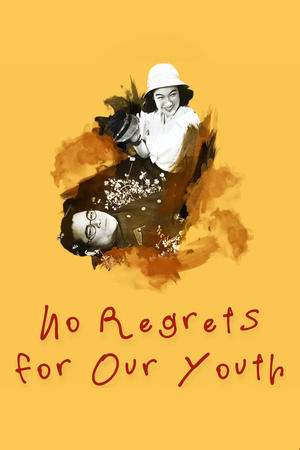
After her anti-fascist professor father is dismissed, Yukie navigates love, political repression, and wartime upheaval—ultimately forging her own path in pre- and post-WWII Japan.
Ranmaru is a 450-year-old vampire who works in a bathhouse. As a vampire he is particularly picky about his blood choices, his main goal being to drink the blood of an 18-year-old virgin. To do so, he has been watching 15-year-old Rihito, the son of the bathhouse owner who saved him from near death. Rihito must not lose his virginity before he turns 18 and Ranmaru does everything he can to prevent that. However, when Rihito starts to show interest in a classmate, Ranmaru's desperate fight to preserve the boys virginity begins.
In 1701, Lord Takuminokami Asano has a feud with Lord Kira and he tries to kill Kira in the corridors of the Shogun's palace. The Shogun sentences Lord Asano to commit suppuku and deprives the palace and lands from his clan, but does not punish Lord Kira. Lord Asano's vassals leave the land and his samurais become ronin and want to seek revenge against the dishonor of their Lord. But their leader Kuranosuke Oishi asks the Shogun to restore the Asano clan with his brother Daigaku Asano. One year later, the Shogun refuses his request and Oishi and forty-six ronin revenge their Lord.
Japan, 1137. The Taira family, a samurai clan, becomes involved in the disputes between Emperor Toba and the monks of Mount Hiei.
Fleeing a distressing family situation, Eiko, a very young girl, becomes an apprentice to Miyoharu, a veteran geisha. Both, determined to preserve their professional integrity, must face the selfishness and ambition of several petty people.
After living a traumatic experience in Tokyo, Yukiko returns to Kyoto, where Hatsuko, her mother, runs a brothel, which upsets Yukiko very much.
Road to Yudo