Zina left Algeria to fulfill her childhood dream of driving trucks. At every turn, her cabin becomes a space of freedom and the highway a battlefield.
A legendary flamenco dynasty channels raw emotion and family bonds into electrifying performances, creating a powerful legacy of Spanish dance artistry across generations.
A documentary about "The King of Rock 'n' Roll." Meet the men who were part of Elvis's inner circle. Lamar Fike, a member of the Memphis Mafia who was a close friend and confidant. David Stanley was Elvis's stepbrother. Watch them as they share and discuss their personal stories, memories, rare photos, and myths of "The King."
A journey into Electronic Body Music’s iconic sound, featuring exclusive interviews with the original pioneers of the 80’s.
Russia's most skilled streetball players unleash a whole arsenal of unique tricks, incredible dunks, and defenders-destroying dribbling moves. Spotlighting the burgeoning streetball culture of the largest country in the World, documents first streetball challenges and tournaments including performances from the biggest names in hip-hop industry.
Pop sensations the Lovin' Spoonful perform their biggest hits in this collection of television appearances from the 1960s and '70s. Lead singer and songwriter John Sebastian discusses the band, their music and their legacy. Songs include "Summer in the City," "She's Still a Mystery," "Nashville Cats," the hit theme to the sitcom "Welcome Back, Kotter," "Did You Ever Have to Make Up Your Mind?" and "Do You Believe in Magic?"
Ray Cappo lead singer of the straightedge hardcore band Youth of Today at the height of their growing popularity, leaves the band and goes to India. Ray becomes the monk Raghunath. What follows is the confluence of two worlds coming together. Hardcore punk and spirituality. Something Divine is a pilgrimage through the holy cites of India and concert halls in America. The film highlights the connection between people of very different backgrounds coming together through self-discovery, spirituality, music, the desire to grow and transform themselves personally.
When Ines died, she left a very particular legacy, 10 books that read 'For my children'; it was the story of her life. Marked by a youth idyllic love, Ines was forced to marry a violent and womanizer man with whom she had 20 children. In the 50s, she managed to get divorce and 20 years after her death, Luisa, great-granddaughter of INES, reads, rescues and makes visible her history.
The legendary shock rock band from the 90s returns to the stage after being gone for more than a decade. This Mockumentary tells the story of this return to public life and the evolution of the members during these years.
A look at the aftermath and global impact of the docuseries `Surviving R. Kelly'
'Rasayatra' presents the life and music of Mallikarjum Bheemarayappa Mansur (1910-92). Visualising the music of the maestro the film explores Mansur's love and passion for music. Using his interviews the film takes us on a journey through his life, starting from his love for music as a child to his greatest achievements. Exploring Indian classical music the film also enters the realm of the poetic meaning of the lyrics and Mansur interpretations of those. Filled with personal anecdotes it talks about his personal life and how his music never got affected by it. The film is a tribute to the music and to the man.
This documentary is about the artistic trajectory of Edvaldo Souza, aka Edy star, the flamboyant gay singer, actor, dancer, theatrical producer, performer, visual artist and the last of the Kavernistas alive. The script mixes the memories of artists, friends and Edy himself, meeting in a studio with the singer and composer Zeca Baleiro.
'Nauka Caritramu' pays tribute to three women artists of the Carnatic music tradition of South India: M. S. Subbulakshmi, D. K. Pattammal and Tanjore Brinda. Each in their own individual style has carried forward the rich heritage of Carnatic music in the spirit of the Bhakti devotion. Their purity, expression and dedication is shared by the maestros as they relive their memories and bring alive the image of the Bhakta, poet composer Tyagaraja, who, through his musical wisdom seeks liberation from all sansara or worldly life, and surrenders to this Divine medium. The film explores their music, their life experiences and their devotion towards their music.
Claude Lelouch was a Jewish child in occupied France. In this documentary, he talks about the trauma he still feels from that experience, but also how it inspired him to become a filmmaker. The 1940s appear to be a formative period, key to understanding the work and career of this famous director, whose films and life have always been inseparable.
SOUND OF THE SOUL is a compelling portrait of an Arab country where Muslims, Christians, and Jews have lived together in relative peace for centuries. Beautifully photographed during the Fez Festival of World Sacred Music, the film presents unforgettable performances from groups from Morocco, Ireland, Russia, Afghanistan, Mauritania, the USA, Portugal and France, which carry viewers into what the film's Moroccan sufi guide calls "the hearing of the heart": the essential Oneness at the core of all religions and faiths.
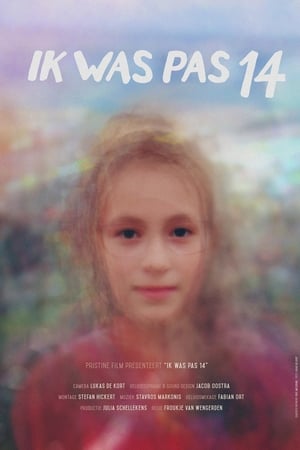
Filmmaker Froukje van Wengerden’s 86-year-old grandmother shares a powerful memory from 1944, when she was just 14. As her story unfolds, we see a group of contemporary 14-year-old girls. Their procession of portraits permits the spectator to see simultaneously forward and back, into the future and towards the past. A miraculous testimonial that uses eye contact to focus the viewer inward and evoke unexpected emotions.
Jasmin is joy, living in the moment. A 15-year-old boy described as "non-verbal autistic." He communicates through his eyes. He makes sounds, says a word. He constantly sings the rhythm of a song whose lyrics only he knows. A bubble of sweetness and love.
La Meilleure Façon de tracer
In this intimate portrait addressed directly to Hélène Hazera, filmmaker Judith Abitbol revisits a key figure of France’s countercultures from the late 1960s to the 1990s. A member of the Gazolines and the FHAR (Homosexual Front for Revolutionary Action), Hazera was a tireless LGBTQ activist who founded Act Up’s Trans and AIDS commissions—one of her proudest achievements. Her true victory, however, was becoming the first transgender journalist at a major national newspaper (Libération), and later a producer at Radio France and France TV. Through her story, Abitbol reconnects with the insurrectionary spirit and creative chaos of those decades—an era when French culture was shaken by radical imagination, humor, and defiance. The film celebrates these modern Antigones who dared to live their desires beyond the reach of any law.