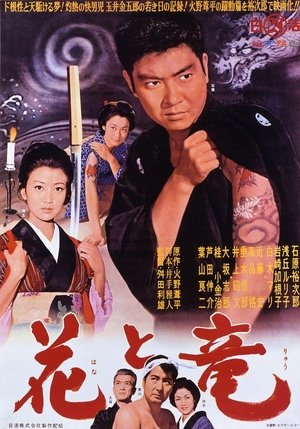
After eloping with a prostitute named Otoyo, Hishakaku takes refuge in the Kogane family’s turf. Indebted to Boss Kogane for his kindness, Hishakaku swears to dedicate himself to protect the Koganes in time of crisis. Hishakaku’s humble life comes to a sudden halt when the Kogane family becomes involved in a fatal feud with their rival, and Hishakaku’s services are called upon.
A man who was released from prison wanders around the Kanto region and gets involved with the local yakuza.
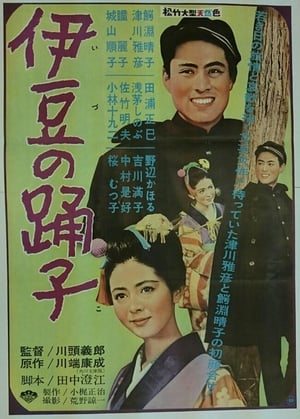
While vacationing in the Izu peninsula, a high school student Kawashima becomes intrigued by Kaoru, a pretty young dancer in a troupe of travelling performers, and he tags along with them on their journeys.
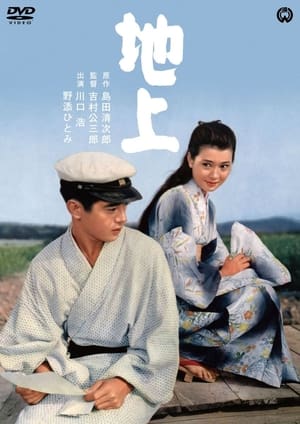
Ichiro’s family used to be a large landowner, but now he is living in poverty with his mother. His mother works hard to get her son through school. Under such circumstances, Ichiro meets Wakako, the daughter of a wealthy man, and they fall in love with each other, but they are opposed by those around them because of their different social status.
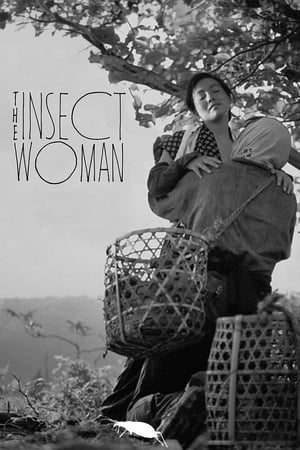
A woman, Tome, is born to a lower class family in Japan in 1918. The title refers to an insect, repeating its mistakes, as in an infinite circle. Imamura, with this metaphor, introduces the life of Tome, who keeps trying to change her poor life.
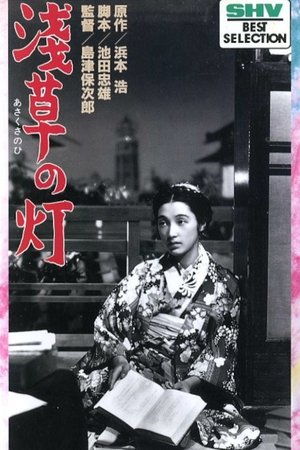
Pre-war Asakusa was a riotous district of cabarets, dance-halls and brothels - a striking backdrop for Shimazu's story of innocence and experience. Pretty, young Reiko is the new dancer in an infamous theatre troupe, and her fellow performers try to protect her virtue in a land of vice. Meanwhile, an ageing actor wants to be a hero off stage as well as on, and the troupe matriarch Marie has to keep them all together.
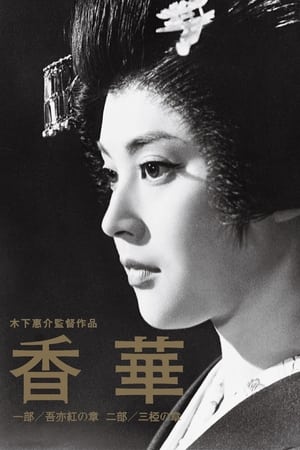
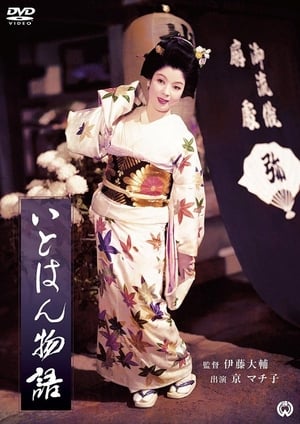
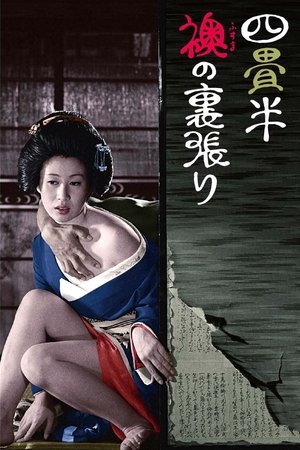
After her mother runs away from home, Tomoko is raised to be a geisha. One day Tomoko meets her mother in a red-light district in Tokyo and her life deeply gets in trouble.
Based on a popular play from 1947.
The tragic, true story about Hachikō, an Akita dog who was loyal to his master, Professor Ueno, even after Ueno's death.
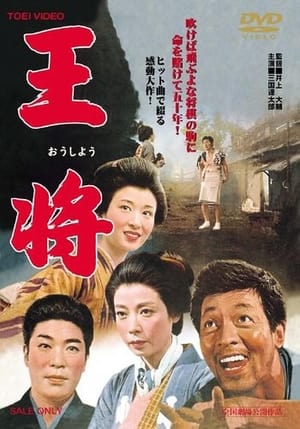
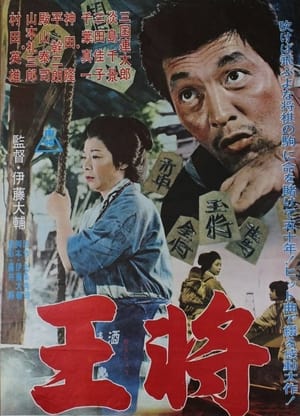
Shogi, a Japanese form of chess, is a game that requires skill and determination. When poor sandal-maker Sakata decides to pursue his dream of becoming the Shogi Grand Master Champion, everything is at stake – including his family. What will it cost for Sakata to follow his passion?
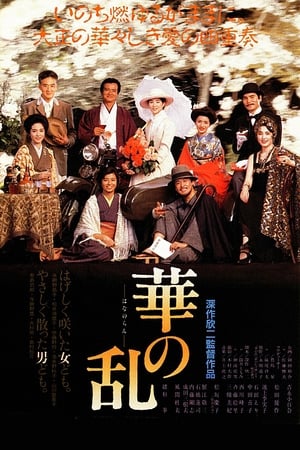
Set in the Taisho era, which might be regarded as Japan's Hippie Phase, Hana no ran is a story about fashionable people without impulse control. Much of the action centers on a popular woman writer, the real-life poet Akiko Yosano, and her experiences among the literati of early 20th century Japan. Because of her independent, anti-war and often erotic poetry, she was a lightning rod for revolutionaries and other extremists, many of whom were destined to glamorous, yet ultimately pointless, deaths. The closest parallels might be the Byron/Shelley group or the people drawn to the Beat Generation.
The film takes place at the junction of the two eras of Meiji and Taisho. Sakata Sankichi, an uneducated zori sandal maker, becomes a professional shogi player through his genius shogi skills and lives a fanatically devoted shogi game supported by the love of his family. This is the 3rd adaptation of Hideji Hojo's famous play.
A young yakuza in love with the girl who's to marry his clan oyabun, kidnaps the girl before fleeing with her. In Tokyo, he hides under the identity of a worker while the young woman becomes a waitress in a restaurant.
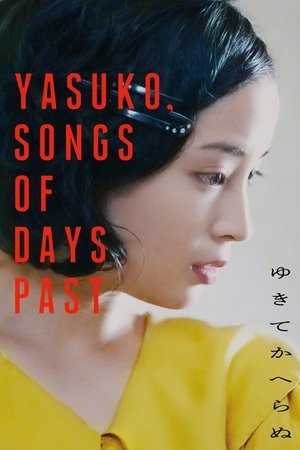
A woman marries, gives birth to a stillborn child, and divorces, falls in love with a hotel-keeper, only to find herself subordinated to his drive for success, takes up with a tailor who cannot console himself with her strong personality.
Love story between a student and girl whose parents are itinerant entertainers. Set in Japan in the 1920's.
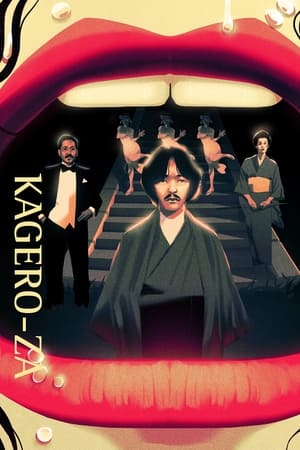
A marquis' mistress becomes pregnant with fraternal twins. He keeps the boy, but sends his bodyguard to dispose of the mother and the girl. Years later…
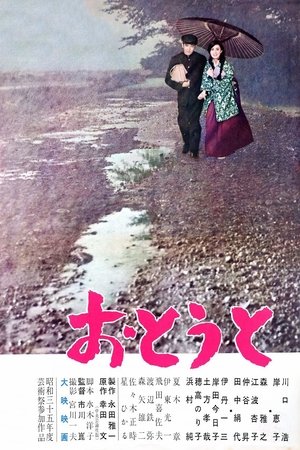
Drama about the difficult relationship between a former wrestler, his wife and their adopted children.
An adaptation of Akira Yoshimura's original suspense novel starring Rentaro Mikuni. 4th year of the Taishō era. About 15 families who moved in search of agricultural land to the land of the pioneers in Hokkaido led a peaceful life. One day, one of the pioneers, Mikio Shimakawa's wife Yura, and her child Taichi are attacked and killed by a bear that cannot hibernate. To resolve the situation, Shimakawa goes against all odds and turns to Ginshiro, the most hated hunter in the village, for help. While Shimakawa was away from the village, Yura and his friends were holding a funeral, the bear attacked again...
Based on the life and career of novelist Fumiko Hayashi, she bitterly struggles for literary recognition in the first half of the 20th-century – her affairs with feckless men, the jobs she took to survive (peddler, waitress, bar maid), and her arduous, often humiliating attempts to get published in a male-dominated culture.
Based on the first novel, Spring Snow, of Mishima Yukio's Sea of Fertility tetralogy, it follows the troubled and illicit affair between two youngsters amongst the aristocracy and rich of early twentieth century Japan.