The Black Contribution – Literature and Theater 1978 is a rare documentary highlighting the voices and cultural impact of African American writers and performers during the civil rights era. Introduced by NAACP leader Benjamin Hooks and narrated by Roscoe Lee Brown, the film weaves together dramatic readings, theatrical excerpts, and candid urban street footage. Margaret Walker’s poem For My People is performed alongside scenes of daily Black life in New York City — children playing, families on stoops, open fire hydrants, and the realities of poverty in 1970s neighborhoods. James Baldwin appears in interview footage, while signs for his play The Amen Corner and stage excerpts from Lorraine Hansberry’s A Raisin in the Sun underscore the powerful presence of Black voices in American theater. With rare shots of Harlem life, literature, and performance, this film documents the enduring contributions of African American artists to U.S. culture and history.
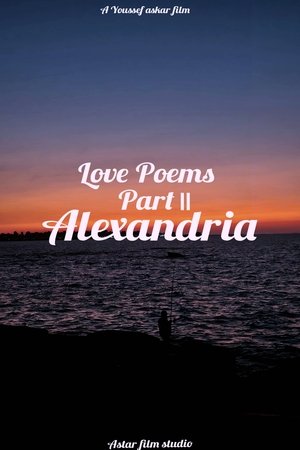
CATS, SEA, FISHERMEN AND SUNSET. The sequel to the original Love Poems. A short documentary Film capturing beautiful shots in the City of Alexandria followed by a Poem written for the city by Salma Torrez.
Video poem about New Hampshire and its foliage in Autumn
a poem. trees. fragments of fritz. love—and nothing besides!
O Maior Trem do Mundo
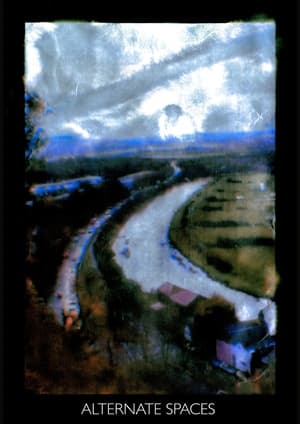
A short documentary on the River Ouse, following it downstream from Lewes to Newhaven, meditating on the surrounding area.
"If it Won’t Hold Water, it Surely Won’t Hold a Goat" is an intimate meditation on the subversive nature of goats and their effect on the people who spend time with them. Centered on the story of the legendary Goat Man - a nomadic figure who spent most of his life walking the roads of Georgia with a wagon pulled by a herd of goats - this experimental documentary weaves together an interview with a goat farmer, footage of the daily rituals Johnson enacted with her own herd, and a poem about the Goat Man’s experimental and spectacular life.
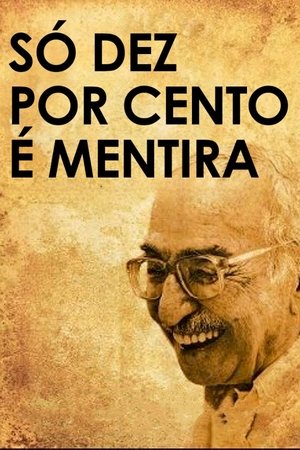
The life and literature of Mato Grosso do Sul poet Manoel de Barros. Alternating sequences of interviews with the poet, verses from his poetry, and statements of connoisseurs of his literature, the film portrays a revealing panel of the author's language. Manoel de Barros, age 91, with some 20 books published, lives in Campo Grande. Acknowledged, the winner of several literary prizes, he is the Brazilian writer who accounts for the greatest sale in poetry in Brazil.
"Time" takes you through the city at night, capturing fleeting moments. With dynamic visuals and an atmospheric soundtrack, this short film explores the nature of existence and memory. Narrated by David Bowie, it invites you to reflect on the passage of time.
The experiences of five free-spirited individuals trying to break free from societal norms. Each narrative discusses creativity, mental health, labor activism and gender politics.
Images and poems of the celebrated couple Louis Aragon and Elsa Triolet. Elsa’s youth as recalled by Aragon, with commentary by Elsa.
The boy runs after the ball. The worker builds concrete dreams between buildings and soccer balls in a lowland field in Recife. The poet receives a word ball, gives a literal stroke and makes an imaginary goal in this film about football, passion and poetry. João Cabral's America goes beyond the four lines of the field or paper, it transcends time and the field; update the memory to the fact that the love of football will not be volatile or ephemeral, neither in defeat nor in victory.
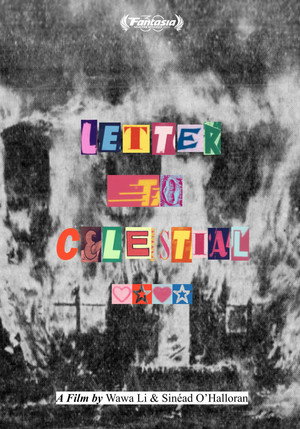
Letter to Celestial is a re-animation and re-imagination of archival documents found in the search for Asian sex workers in Montréal's Chinatown and historic Red Light District.
Images complement what is always lacking in words. The poems complement what is always present in the city. Freely inspired by the poetry Cidade City Cité, by Augusto de Campos.
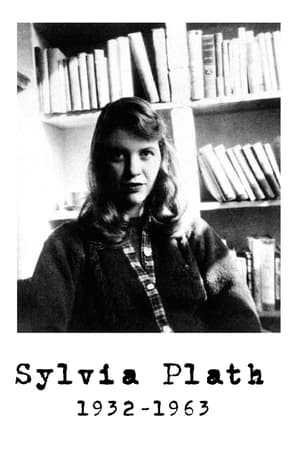
Sylvia Plath Read 18 Poems From Her Final Collection, Ariel, in a 1962 Recording
Fragmentos del reflejo en el espejo
As Black and LGBTQ+ History Month begin this February, material science clothing brand PANGAIA leads celebrations with a poetic film that honors these two communities. Following a year of isolation, and with it a deeper understanding of the importance of outdoor spaces and the environment, Wè is a portrait of the self-love and acceptance we have learned to show others and gift to ourselves.
A moving recording of the late writer and renowned jazz singer Abbey Lincoln is captured in this new film from Brooklyn-born director Rodney Passé, who has previously worked with powerhouse music video director Khalil Joseph. Reading from her own works, Lincoln’s voice sets the tone for a film that explores the African American experience through fathers and their sons.
Three weeks to make three films. Filmed in my last semester before College. "Time", "One Night", "8x8".
Sobre Nós