Tragedy grips the family of Syuzi and David: Their young child drowns in a forest lake. What awaits the young family after their tragic loss while they also possess other dark secrets?
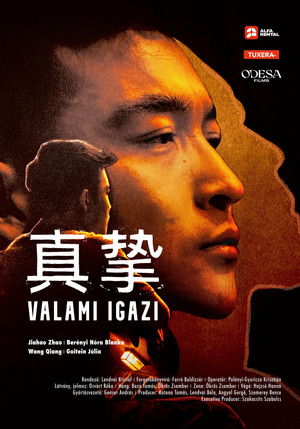
Lost in the foreign city of Budapest, a solitary Chinese man finds his place in the world not through words, but through a single, unexpected moment of human connection.
Não Te Sentes
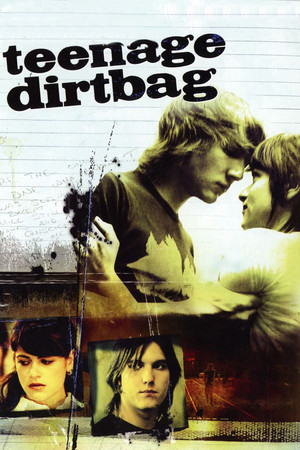
A popular high school girl is harassed by a delinquent boy until they are placed in creative writing class together. Through written words, they create a bond, but tragically a bond that cannot withstand her social pressures or his brutal home life.
A lowly bookkeeper (me), shot entirely on videotape (Sony Hi8), recites a poem about Tuesdays (derived from Old English Tiwesdæg, meaning ‘day of Tiw’ (the Norse god of law)). More info here: https://en.tuespedia.org/wiki/Tuesday
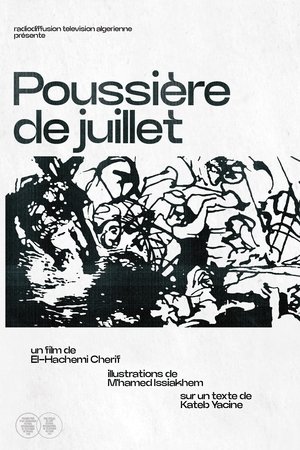
“Poussières de Juillet”, produced in 1967 by Hachemi El-Chérif, is taken from a poem by Kateb Yacine. "We made a film on the return of the ashes of Emir Abdelkader, to Algeria. It was the opportunity to make a film on the ancestors with M'hamed Issiakhem. He designed glass plates on the basis of my texts. Then we had actors collaborate. It was a film which cost us a total of 300 dinars, proof that we could do work for television without too much money. We won two first international prizes at the Belgrade festival. We left the original of the film with the Egyptians in Alexandria and they lost it. We kept a copy but over time I wonder what happened to it, because there is no not even had a screening, they say it still exists, but I don't know in what state." Kateb Yacine, July 28, 1986, interview with Arlette Casas.
A coming of age story centering on the exploits of a teenage girl during summer vacation.
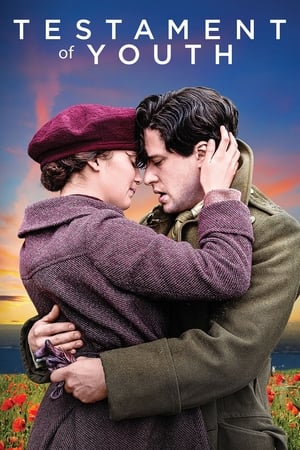
Testament of Youth is a powerful story of love, war and remembrance, based on the First World War memoir by Vera Brittain, which has become the classic testimony of that war from a woman’s point of view. A searing journey from youthful hopes and dreams to the edge of despair and back again, it’s a film about young love, the futility of war and how to make sense of the darkest times.
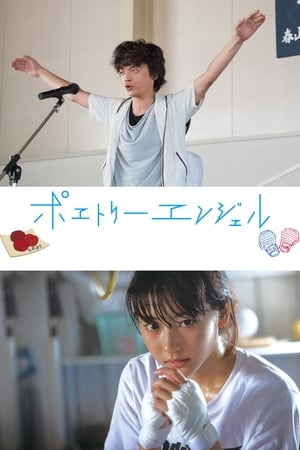
After Tsutomu Tamaki graduated from high school, he has worked at his family farm and raises ume (plum). He becomes interested in a class for “poetry boxing” and decides to take the class. There, he meets a female high school student who has her own problem.
A person reflects on their thoughts and life during the night, until a single connection reveals who we truly are through our interactions.
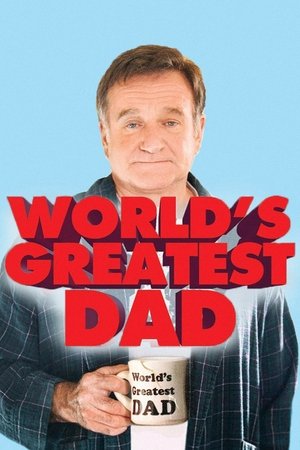
In the wake of a freak accident, Lance suffers the worst tragedy and the greatest opportunity of his life. He is suddenly faced with the possibility of fame, fortune and popularity, if he can only live with the knowledge of how he got there.
Follows the young people of Selma, Alabama's RATCo (Random Acts of Theatre Company) as they journey to New York City to share their story of hope, resilience, and overcoming.
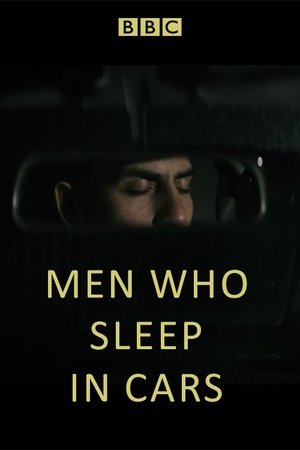
Drama, entirely in verse, following three men who sleep on the streets of Manchester in their vehicles, having lost all their economic and social power.
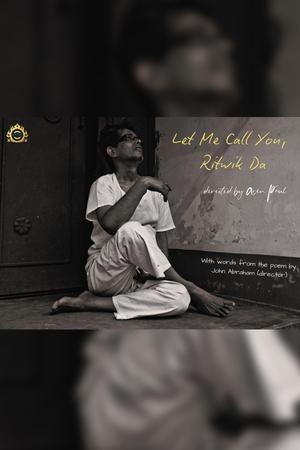
A poetic and experimental short film by Arin Paul, Let Me Call You, Ritwik Da pays tribute to Ritwik Ghatak, inspired by a poem by director John Abraham. Blending evocative imagery and voice-over, it explores Ghatak's legacy.
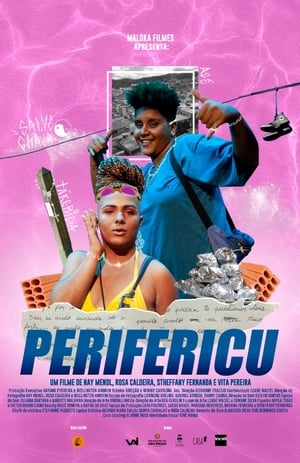
Luz and Denise grow up in the midst of the adversities of being LGBT in the extreme south of the city of São Paulo. Between Vogue and poetry, from church to city access. The dreams and uncertainties of youth flood their existences.
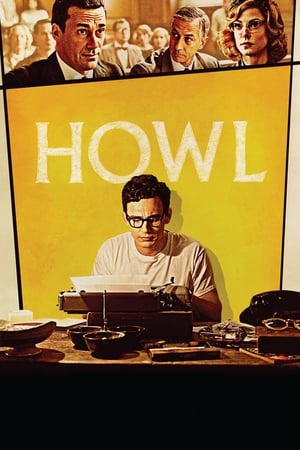
It's San Francisco in 1957, and an American masterpiece is put on trial. Howl, the film, recounts this dark moment using three interwoven threads: the tumultuous life events that led a young Allen Ginsberg to find his true voice as an artist, society's reaction (the obscenity trial), and mind-expanding animation that echoes the startling originality of the poem itself. All three coalesce in a genre-bending hybrid that brilliantly captures a pivotal moment-the birth of a counterculture.
On the occasion of the bicentenary of the birth, Carmelo Bene returns to the verses of the poet from Recanati. In this film the most beautiful poems by Giacomo Leopardi (La Ginestra, Il Canto Notturno, Le Ricordanze, A Silvia, L'Infinito ...), but also some passages from the Moral Operettas, as well as the unfinished Project for a hymn at Ahrimane, follow one another with deep and moving simplicity, with a quiet immediacy that causes the void of every other voice: therefore the listenere is ensnared in the pauses, bewitched by the unexpected descents of silence. The voice assumes a dark and ancestral tone in which the words seem to find their original nuances.
A trio of interweaved transgressive tales, telling a bizarre stories of suburban patricide and a miraculous flight from justice, a mad sex experiment which unleashes a disfiguring plague, and the obsessive sexual relationship between two prison inmates.
To Hold My Love is a short film merging dance, fashion, and spoken words. Through their bodies and their language, the five dancers pull the viewers into their worlds where they explore themes related to women's vulnerabilities, identity, body image, and sensuality. A portrait of complex emotional journeys experienced through the profound strength of sisterhood. The film features fashion pieces from Lynn La Young’s collection and is set to an original music score composed by Saber Rider. To Hold My Love is a screen adaptation of a stage show choreographed by Elettra Giunta for Resolution Festival at The Place Theatre. It was brought to the screen with the help of director Adam Othman and cinematographer Will Hazell.
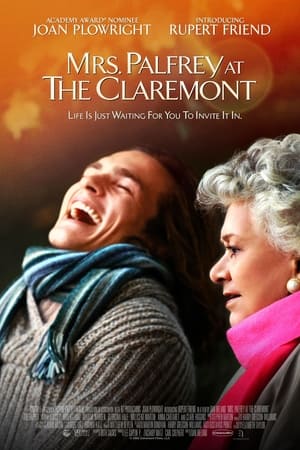
All but abandoned by her family in a London retirement hotel, an elderly woman strikes up a curious friendship with a young writer.