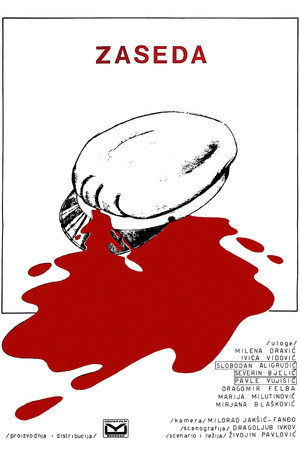
Idealistic young man supports the party and the new Yugoslavia's communist regime, but soon gets involved in various political and criminal machinations becoming more and more confused about what's right and what's wrong.
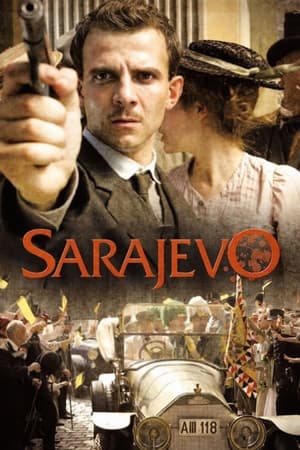
The events in Sarajevo in June 1914 are the backdrop for a thriller directed by Andreas Prochaska and written by Martin Ambrosch, focusing on the examining magistrate Dr. Leo Pfeffer (Florian Teichtmeister) investigating the assassination of Archduke Franz Ferdinand. Trying to do his job in a time of lawlessness and violence, intrigues and betrayal, Leo struggles to maintain his integrity and save his love, Marija, and her father, prominent Serbian merchant. But the events of Sarajevo have set into motion an inescapable course of events that will escalate to become … the Great War.
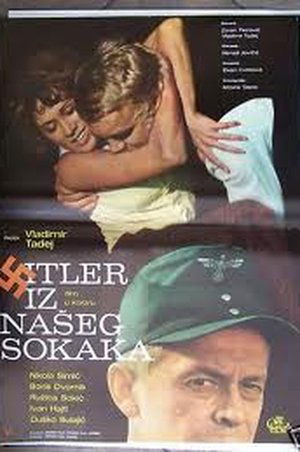
Before and during WW II and the German occupation of Serbia, in a village in Vojvodina, inhabitants are separated based on their nationality. Local Volksdeutschers (ethnic Germans) enlist with the Nazi occupiers. The village bum, Leksi, jumps at the opportunity to put on a uniform and parade around with a gun. Leksi gets into an argument with villagers Marko and Joca, who devise a plan to get rid of him. At the same time, Marko tries to seduce Leksi's wife, Anika.
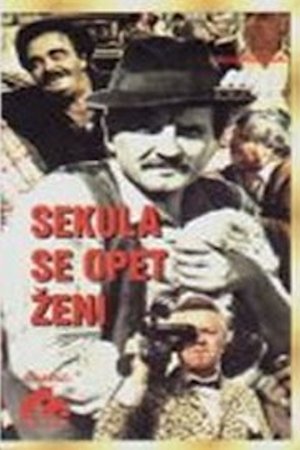
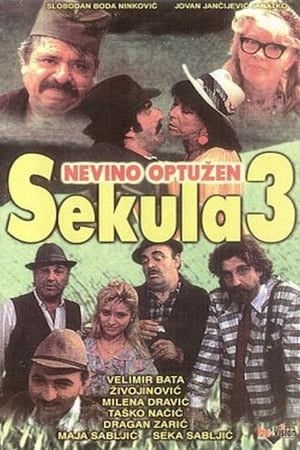
After so much unrequited love and so many failed marriages, yet with the heaps of children he's left with, Sekula decides to change his life and get serious, but it seems that it's too late for that, and the temptations keep growing...
This time Sekula does not have any problems with women but is accused of stealing electricity.
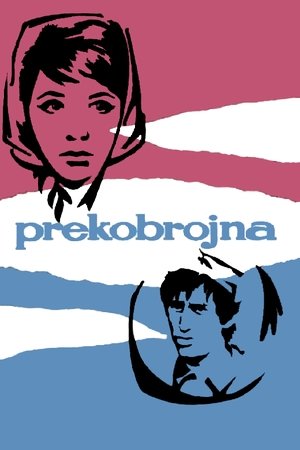
Young farmer Mikajlo while on youth labour action falls in love with a student Nada and infatuated with her, he leaves the peasant brigade and Malena, a girl who as if she were overabundant, followed him to work the labour action. Mikajlo's courtship of Nada provokes laughter and ridicule, so ambitious 'Don Juan' returns to his brigade and the girl.
Serbian legend Marko Kraljevic goes on a journey to stop evil Turkish pasha harrassing Serbian people, especially women. He fights his foes, such as Musa Kesedzija, in company of his talking horse Sarac, Ravijojla the Fairy and others.
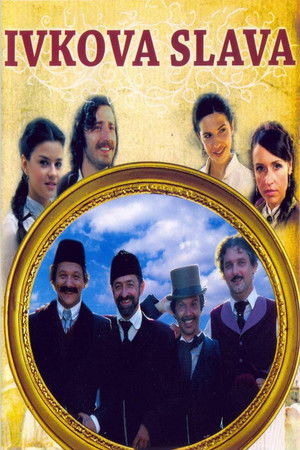
The story takes place in Nis, towards the end of the nineteenth century, during the calm down of the stormy historic events which led to final liberation of southern Serbian parts from Turkish occupation. The comedy is about celebrating traditional saint's day feast, organized by Ivko and how his guests test the Serbian hospitality.
In 1999, during the NATO bombing in Serbia, a young television editor (Boris Milivojevic) in an underground shelter - turned mental institution is having a psychiatric exploration through which he reflects his story...
In a small village of Prchevo in 2006, Montenegrin independence referendum takes place. But in this part of the world, the locals hide American citizen of distant Montenegrin ancestry, in order to make him "their man" against Montenegro's independence. USA looks for its citizen through NATO troops, and the air raid on Prchevo is about to begin.
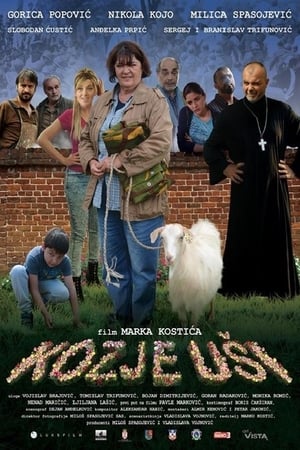
60 year old woman leaves urban life and goes to live in a village to take care of her grandchildren whose parents now live in America. There she faces lots of financial hardships as the family doesn't send any money, and tries her best to provide all for their happier childhood.
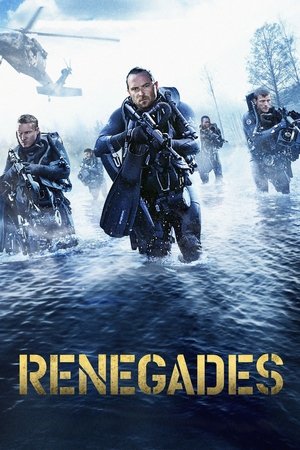
In the midst of the Balkan wars, a squad of Navy SEALs attempts to unravel a long-forgotten mystery after discovering an enormous treasure trove hidden at the bottom of a lake in Serbia.
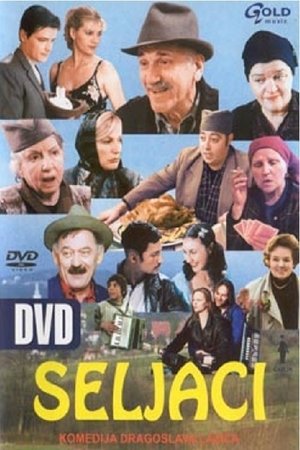
Comedy about the life of a modern village family and many neighbors of theirs, dealing with Serbian mentality at the turn of the XXI century. Based on TV series of the same title.
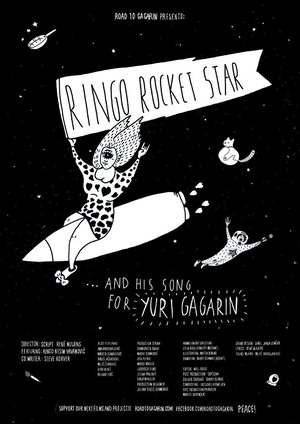
A dry, tragicomic musical short about a gipsy who thinks he will become famous by writing a song for the first man in space, Yuri Gagarin.
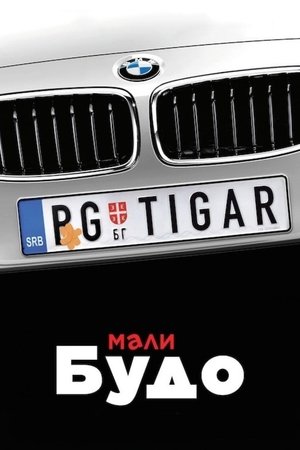
A Montenegrin teenager is sent to Serbia in order to evade blood-feud caused by his father's reckless behavior. Little does he know that even greater dangers await for him. In Belgrade he will face both the avengers who went after him and this metropolis' very own nightlife and foxy ladies. And in cities like Belgrade - women and nightlife can be deadlier than a bullet. People of Montenegro are known for their specific mentality and system of values, not unlike Sicilians, Corsicans or Cretans.
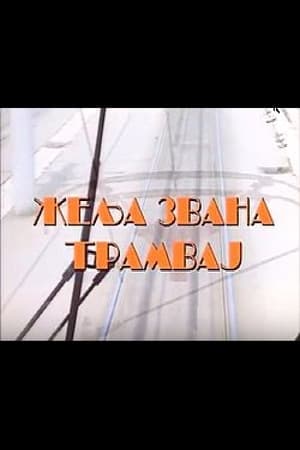
In a rough time, Serbian people in Belgrade travel by a streetcar and serious things happen in a comic way.
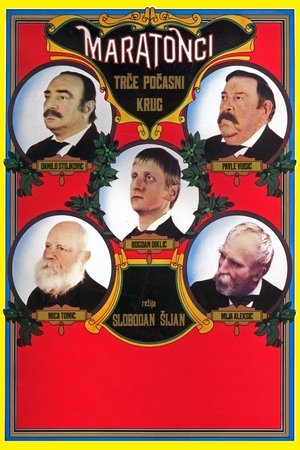
The Topalović family has been in the burial business for generations. When the 150-year-old Pantelija dies, five generations of his heirs start to fight for the inheritance.
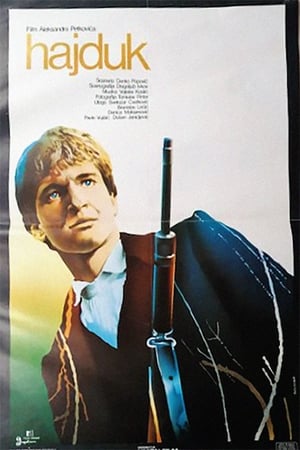
After WWI, two friends, awarded officers return to their lives in peacetime. One of them becomes a commander of the gendarme's, while the other gets into conflict with the authorities and gets imprisoned, but escapes soon. A former hero becomes an outlaw hunted by the police.
Elsie Inglis and the work of the Scottish Women's Hospitals (SWH) are captivating. Elsie and the other women did not conform to the stereotype of women in war. They were operating close to the fighting on both the Western Front and in the Balkans. Also, the SWH's were run entirely and predominantly staffed by women. This meant that there were not only women doctors, rare enough in the early twentieth century but like Elsie, women surgeons.
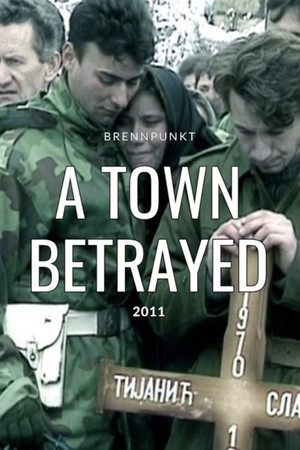
SARAJEVO RICOCHET - A TOWN BETRAYED This documentary exposes the callous betrayal of the massacred men of Srebrenica - how they were sacrificed by their own government for a political objective. The widows, mothers and sisters of the men and boys who died near Srebrenica will never let the world forget the events of July 1995. The Serbs pulled the trigger, but the reasons for their brutal action has not been investigated. Now Bosnian Muslims themselves expose what really happened before, during and after what is been called `the European genocide of our time`. The Bosnian Muslim government was negotiating with the Serbs to exchange territory - Srebrenica for the suburbs of Sarajevo.