1917, The Train from Hell is an historical documentary about a train accident during WW1.
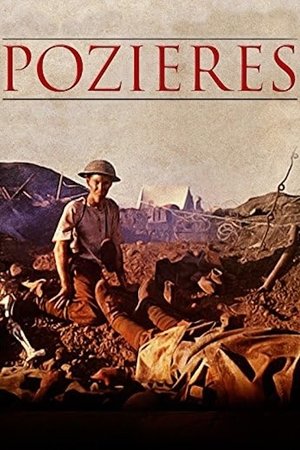
A captivating step back in time, Pozieres explores the small village in Northern France which, during the Great War in 1916, was the setting of one of the bloodiest battles in history, a twentieth century tragedy. The village was stormed and captured by Australians and became key to the success of the Battle for the Somme. But in less than seven weeks they suffered 23,000 casualties.
A musical, and also a reflection on watching, on trying to escape an anthropocentric gaze and also on watching itself in cinema. Featuring mares and horses: Triana, Víctor K, Bambi Sailor, San Special Solano, Buck Red Skin, Onkaia, Cool Boy, the donkey Agostino, the mule Guapa. And also Alfredo Lagos, Raül Refree, María Marín, Pepe Habichuela, Virgina García del Pino, María García Ruiz, Pilar Monsell, María Pérez Sanz.
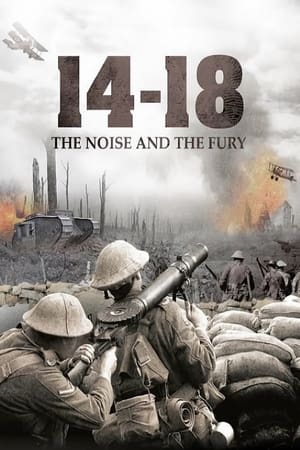
Not everything has been told about World War One. This documentary tries to explain how tens of millions of men could have suffered the unbelievable toughness of life in trenches during the 4 year ordeal. How could they have accepted the idea of a sure death or injury while not being able to tell why they were fighting.
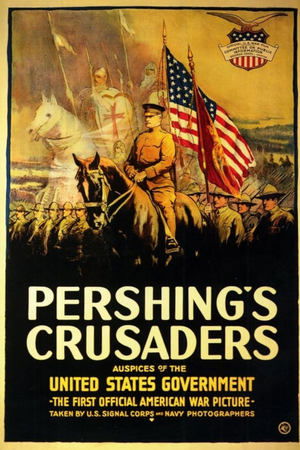
Documentary on American troops in France in the First World War.
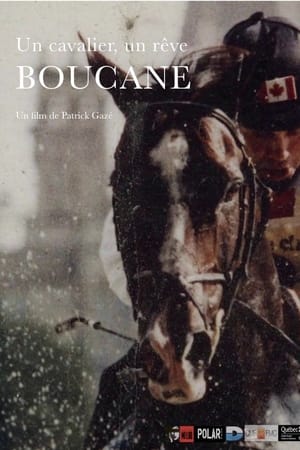
At 74, Yves Landry is still a passionate rider, a fierce competitor in the filed of Three Day Eventing. This is the story of Yves and his passion for horses. Among them, his best partner ever named Boucane.
This lost WWI documentary appears to be about the German zeppelin attacks on Londonon September 2nd, 1916.
This Sports Parade series entry follows the life of Dixie Dan, a harness racehorse, from birth through age three.
Návraty koní
Celebrate the 150th anniversary of the short-lived but far-reaching American Institution The Pony Express by following a historical re-enactment along the original trail from Sacramento California to Saint Joseph Missouri.
Seabiscuit is a racehorse that has gone down as a legend in American history. Horse racing was an extremely popular sport around the time of America's Great Depression, used as an escapist form of entertainment for out-of-work laborers. This comprehensive overview of Seabiscuit's career includes many of the races for which he was most famous, as well as commentary from a number of racing enthusiasts.
Australian newsreel, telling of the besieged Australian forces in Tobruk. Coverage shows dawn patrols, wrecks in Tobruk Harbour, tank patrols, anti-aircraft action against German planes, gun barrages, etc. also seen is the grave of first Australian VC (Victoria Cross) Corporal Edmondson and his mother at home holding the award.
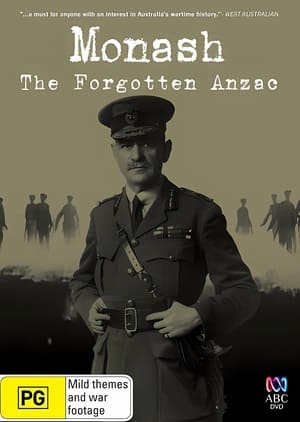
The story of how Australia's 'ANZAC myth' was born and the role of General John Monash in this process as soldier and statesman both during and after WW1.
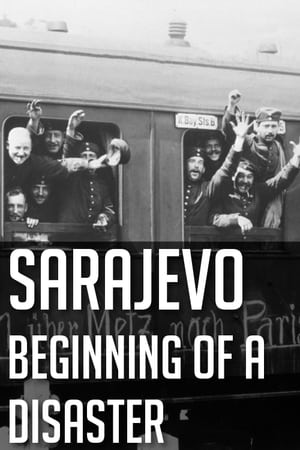
Sarajevo, late June 1914: A Serbian nationalist shoots the Austro-Hungarian heir to the throne and his wife. A few weeks later, war raged in Europe with devastating consequences.
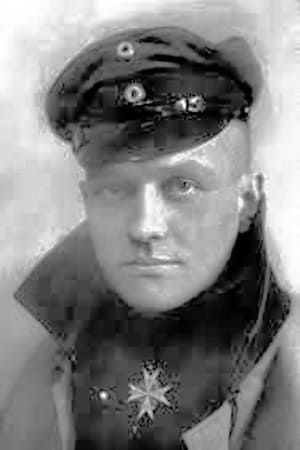
A documentary of early airplane pilot and WW1 fighter ace Manfred von Richthofen, famously known as The Red Baron.
The Thanet coast featuring boat rides, horses and family outings.
French television panel discussion with German and French veterans of World War I, conducted after the viewing of G. W. Pabst's 1930 film WESTFRONT 1918.
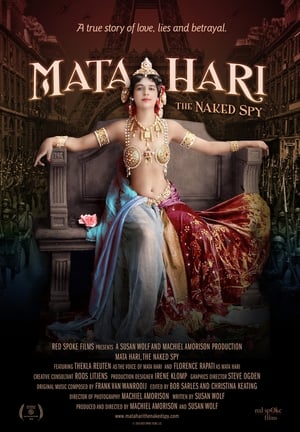
100 years ago Mata Hari faced the firing squad as a convicted Dutch spy. It was at this moment that the legend of Mata Hari, the seductive spy, was born. Newly-discovered documents cast doubt on her guilt and reveal startling truths about her life. Mata Hari was a self-made woman whose boldness and sexuality threatened the male establishment. Most of what we've known about her until now has largely been myth. Mata Hari's challenges as an abused wife, single mother and a creative independent woman are familiar to women around the world. At the turn of the century, her struggles to attain sexual freedom, artistic expression, and liberation from the constraints of conventional society are the same ones women face today. She graced the cover of Vogue, performed all over Europe and left a coterie of smitten admirers in her wake.
WWI: The Tunnels of Death
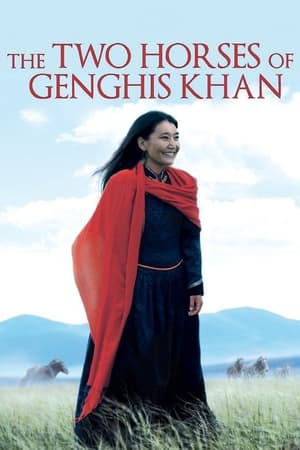
An old, broken morin khurr (horse head fiddle) compels renowned Mongolian singer Urna Chahar Tugchi to take a road journey to Ulan Bator and the steppes of Mongolia.