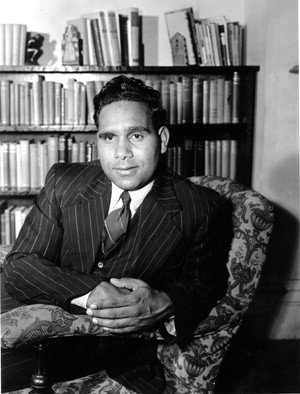
Essie Coffey gives the children lessons on Aboriginal culture. She speaks of the importance of teaching these kids about their traditions. Aboriginal kids are forgetting about their Aboriginal heritage because they are being taught white culture instead.
The raw, heartfelt and often funny journey of adult Aboriginal students and their teachers as they discover the transformative power of reading and writing for the first time.
WINHANGANHA (Wiradjuri language: Remember, know, think) - is a lyrical journey of archival footage and sound, poetry and original composition. It is an examination of how archives and the legacies of collection affect First Nations people and wider Australia, told through the lens of acclaimed Wiradjuri artist, Jazz Money.
The story of 95-year-old Aboriginal elder Laurie Baymarrwangga and her work to maintain the language and cultural traditions of the Yan-nhangu people of Murrungga.
50 years on, the Aboriginal Tent Embassy is the oldest continuing protest occupation site in the world. Taking a fresh lens this is a bold dive into a year of protest and revolutionary change for First Nations people.
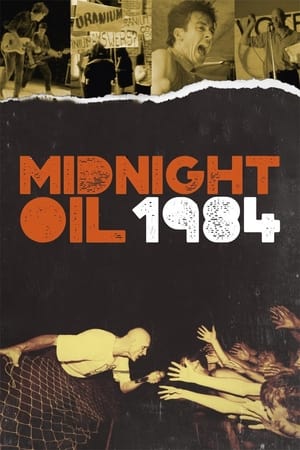
In 1984, Midnight Oil released their iconic record Red Sails in the Sunset. They embarked on a relentless tour around the nation performing raw and electrifying music that reignited the imagination of young Australians. That same year, their lead singer Peter Garrett committed to run for a Senate seat for the Nuclear Disarmament Party. With the mounting pressure of balancing the demands of music and politics this is the year that would make, but nearly break, Australia's most important rock and roll band. Thirty years in the making and featuring never seen before seen footage of the band on and off the stage, Midnight Oil: 1984 is the untold story of the year Australia’s most iconic rock band inspired the nation to believe in the power of music to change the world.
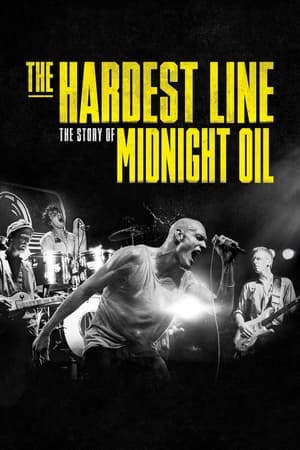
Across a 45-year career ‘The Oils’ helped shape modern Australia with anthems like “US Forces”, “Beds Are Burning” and “Redneck Wonderland”. Featuring unseen footage and interviews with every band member, alongside signature moments including the outback tour with Warumpi Band, their Exxon protest gig in New York and those famous “Sorry” suits at the Sydney Olympics, Midnight Oil: The Hardest Line traces the journey of Australia’s quintessential rock band.
The story of a nation coming together around Indigenous athlete Cathy Freeman who delivered when it mattered on the greatest stage on earth. 20 years on, Freeman sheds light on one of Australia's proudest moments. In 49.11 seconds, Cathy Freeman's win at the 2000 Sydney Olympics brought Australia together as a nation.
Narrated by Uncle Jack Charles and seen through the eyes of Indigenous prisoners at Victoria’s Fulham Correctional Centre, this documentary explores how art and culture can empower Australia's First Nations people to transcend their unjust cycles of imprisonment.
In this documentary companion to CHARLIE'S COUNTRY, Australian actor David Gulpilil tells the story of when his people's way of life was derailed by ours.
A new songline for 21st century Australia - a fresh look at the Cook legend from a First Nations' perspective - the songline tells of connection to country, resistance and survival and features the cheeky, acerbic and heartfelt showman - Steven Oliver and a host of outstanding, political Indigenous singer/songwriters.
The story of a Warlpiri woman, Audrey, and her Sicilian partner Santo as they navigate through colonial systems to keep the children they care for together. Audrey Napanangka was born at a time when the world was changing for the people in the Central Australian Desert. Settler colonisation was permeating the desert and forced changes and the fusion of two worlds shifted Audrey’s life forever. Today, Audrey raises young people to walk in many worlds, by centering culture, language, and Law in their lives alongside mainstream education. The intimate footage filmed over 10 years in Mparntwe (Alice Springs), Yuendumu and Audrey’s Warlpiri country Mount Theo, showcases a heartwarming story about the power of kinship and family in what is known as Australia.
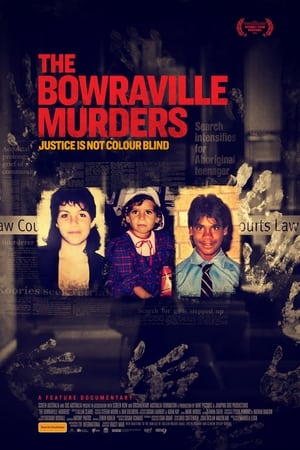
The epic David vs Goliath battle for justice waged by the families of three Aboriginal children murdered in a small rural town 30 years ago, the system that failed them, and what it reveals about racism in Australia today.
Australian writer Wongar lives a secluded life taking care of his 6 dingoes for which he believes embody the spirits of his tragically lost Aboriginal family.
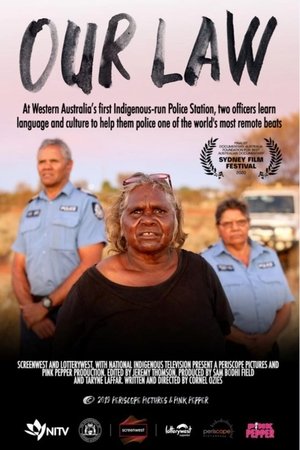
At Western Australia’s first Indigenous-run police station, two officers learn language and culture to help them police one of the most remote beats in the world.
The story of Dujuan, a 10-year-old Aboriginal boy living in Alice Springs, Australia, who is struggling to balance his traditional Arrernte/Garrwa upbringing with a state education.
A story of resistance across generations, the power of family and the unrelenting struggle for justice in a country that remains in denial.
A look at the recent trend for collecting aboriginal art and the issues surrounding it.
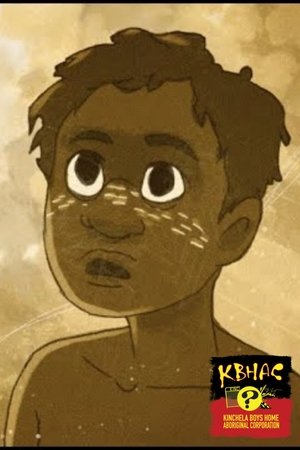
Between 1924 to 1970, Kinchela Boys Home in Kempsey, New South Wales, saw an estimated 400 to 600 Aboriginal children exposed to routine acts of cultural genocide and remains one of Australia’s most notorious institutions of the Stolen Generations. After being stolen from their families, country, and community, children were stripped of their names, given numbers, and subjected to ‘reprogramming’ and strict regimes of manual labour. We Were Just Little Boys is narrated by KBH survivors.
The most isolated metal band in the world, Southeast Desert Metal, and their Aunty Kathleen, share ancient Arrernte culture with the world through song and painting.