A celebration of NBC's 75 year history, featuring clips of special moments.
A look-behind-the-scenes at a television development that could be in everyone's home in just a few years' time. Reporter Angela Rippon tells the story of CEEFAX - the BBC's latest form of broadcasting. She visits Kingswood Warren where BBC Research Department 'boffins' developed it; and looks at some of its uses: News, weather, travel, sports results, farm prices and business information.
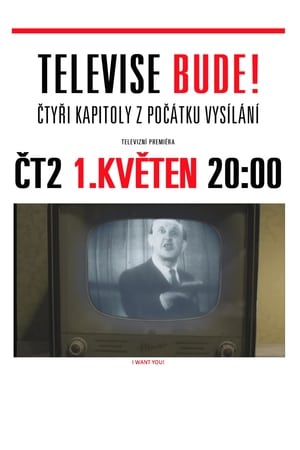
Pět let televise
One day in the life of television is a documentary that was broadcast on ITV on 1 November 1989. Filmed by over fifty crews exactly one year earlier, it was a huge behind-the-scenes look at a wide range of activities involved in the production, reception and marketing of British television. The project was organised by the British Film Institute and produced and directed for television by Peter Kosminsky. A book by Sean Day-Lewis was published to accompany the documentary. It contained the thoughts of people throughout Britain, including industry professionals, who recorded their feelings and experiences of television viewing on 1 November 1988, the day that the documentary was filmed.
imagine... follows celebrated British TV writer Russell T Davies as he prepares to return as the showrunner of Doctor Who – with two Doctors and bigger ambitions.
A BBC Television film recalling the part Alexandra Palace has played in British television between 1935 and 1954. It shows the erection of the first transmitter, the building of 'A' and 'B' studios, and introduces scenes and excerpts from early television productions and outside broadcasts.
Familiar radio voice Ben Grauer leads the viewer on a behind the scenes tour of the National Broadcasting Company studios -- both radio and television -- in Rockefeller Center and Hollywood. The original 25-minute film previewed by network execs and affiliates in the fall of 1948 was cut down to 20 minutes before its first broadcast, reportedly to excise high-profile stars and programs such as Amos 'n' Andy, Jack Benny, and Edgar Bergen that had since left NBC for other networks.
Restoring the World at War
A documentary on Phil Rosenthal's experiences during the making of "Voroniny," the Russian-language version of "Everybody Loves Raymond".
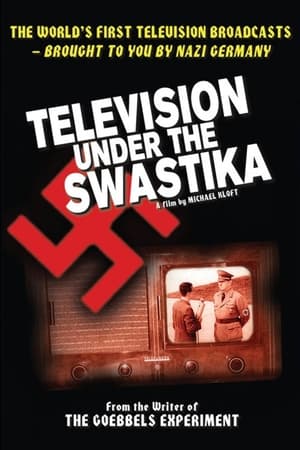
A history of Nazi television programming and technology, from 1935 to 1944.
Les 60 ans de la télévision régionale
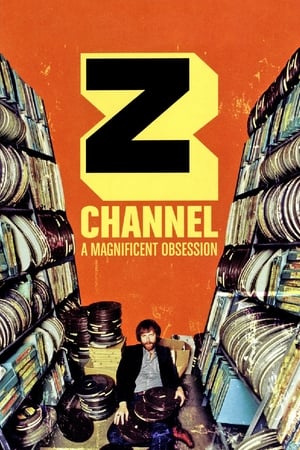
A documentary on the Z Channel, one of the first pay cable stations in the US, and its programming chief, Jerry Harvey. Debuting in 1974, the LA-based channel's eclectic slate of movies became a prime example of the untapped power of cable television.
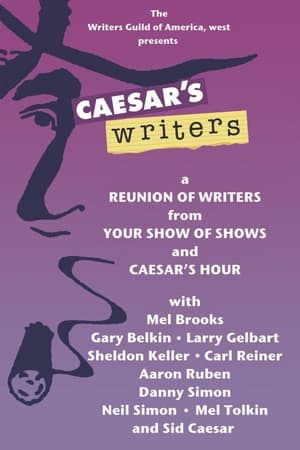
On January 24, 1996, at the Writers Guild Theater in Los Angeles, CA, legendary comic Sid Caesar was reunited with nine of his writers from Your Show of Shows and Caesar's Hour. The event was taped for release on PBS and BBC in a 1-hour cut, and later on VHS and DVD in its full 2-hour length. Be prepared to laugh non-stop as the panel, made up of head writer Mel Tolkin, Caesar, Carl Reiner, Aaron Ruben, Larry Gelbart, Mel Brooks, Neil Simon, Danny Simon, Sheldon Keller, and Gary Belkin share stories about their time working on Caesar's shows and offer their insights about writing comedy.
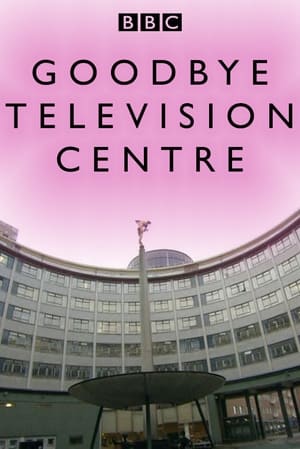
After 53 years Television Centre, the BBC's TV headquarters, is closing its doors and Michael Grade gathers together many of its best-loved faces to stroll down memory lane.
American television programming dominates around the world at the expense of regional cultural voices.
This feature-length documentary analyzes television newscasts and, as a result, takes a look at the news industry as a whole. By tackling five major themes – the script, the stars, the show, the actors and telecracy – it elucidates and demystifies certain aspects of television news, the bearer of daily news and guarantor of a certain image of reality.
An investigation of how Hollywood's fabled stories have deeply influenced how Americans feel about transgender people, and how transgender people have been taught to feel about themselves.
A retrospective of the work of the late actor Warren Oates, with clips from his films and interviews with cast and crew members who worked with him.
TV presenter Dallas Campbell, engineer Professor Danielle George and engineer Dr Hugh Hunt re-create the opening of the BBC's television service on 2 November 1936. This involves building the mechanical flying-spot cameras that were used by Baird's system.
Using testimonies by pioneers and witnesses of the times, delve into the feverish visual culture the media generated – with far-fetched examples of canine television games, seduction manuals, aerobics class while holding a baby, among others.