Wales prides herself in her wealth of natural resources, foundries, mills, and factories. Beyond this modern facade lies another treasure—a rich historical background and ancient lore. The great granite fortresses still remain as reminders that from the struggle and strife was born a pure and distinctive national culture.
From filmmaker Alun Hughes, Upside Down Wales is a window into the world of 3D and upside down climbing guru George Smith and his obsession with climbing overhanging rock in North Wales. A film with plenty of character that doesn't take itself too seriously. Features interviews with Welsh climbing legends Joe Brown and John Redhead, and younger climbers like Pete Robins and Dave Noden.
Following the lives of Queer creatives behind Norwich’s queer collaborative ‘Stripped Sets’. We discover the reasoning behind the need for safe spaces, and the stories that come with them. Through live events, photoshoots and history, we see the process in creating such an important event.
A 2002 live performance of Mikel Rouse's Dennis Cleveland, a multimedia opera set entirely on a television talk show in the late 20th century.
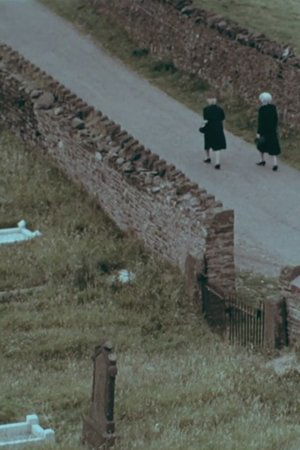
Warwick company newsreel material of the Universal Colliery at Senghenydd on fire after an explosion on 14th October 1913, and footage of a funeral procession for some of the 439 mine workers who were killed, is followed by a collage of images of the town and its people as they are 50 years later. Wynford Vaughan Thomas, narrating his own commentary, wonders if "colour"- superficial re-decoration – can really make any difference to "the inner heart of Senghenydd". Shot on spare, blank pieces of film by James Clark. Assisted by local amateur photographer and former miner Bill Probert. Script written and narrated by Wynford Vaughan Thomas. 1964.
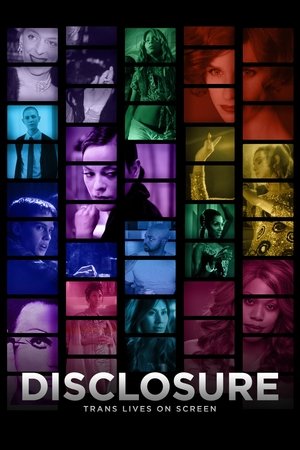
An investigation of how Hollywood's fabled stories have deeply influenced how Americans feel about transgender people, and how transgender people have been taught to feel about themselves.
Multipart Documentaries released with the BluRay of the movie, looking into the creation and production of Ad Astra, with interviews of Cast and Crew. Consists of : To The Stars, A Man Named Roy, The Crew Of The Cepheus, The Art Of 'Ad Astra', Reach For The Stars
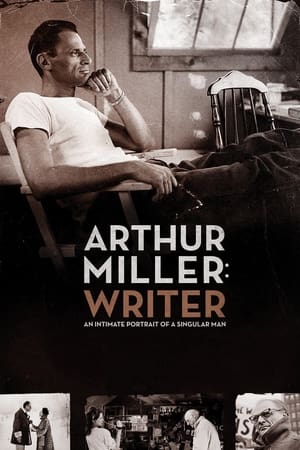
One of the greatest playwrights of the 20th century, Arthur Miller created such celebrated works as Death of a Salesman and The Crucible, which continue to move audiences around the world today. He also made headlines for being targeted by the House Un-American Activities Committee at the height of the McCarthy Era and entering into a tumultuous marriage with Hollywood icon Marilyn Monroe. Told from the unique perspective of his daughter, filmmaker Rebecca Miller, Arthur Miller: Writer is an illuminating portrait that combines interviews spanning decades and a wealth of personal archival material, and provides new insights into Miller’s life as an artist and exploring his character in all its complexity.
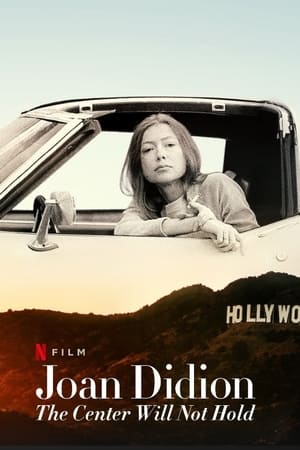
Literary icon Joan Didion reflects on her remarkable career and personal struggles in this intimate documentary directed by her nephew, Griffin Dunne.
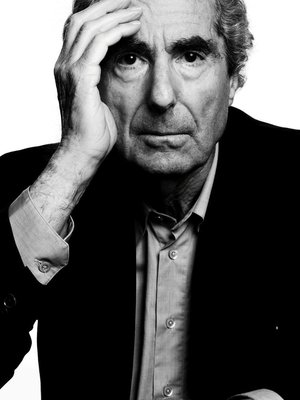
After Portnoy's Complaint launched him as a new literary voice, not to mention a scandalous one, Philip Roth went on to be hailed by many as America's greatest living writer. Never afraid to look hard at the extremes of human experience, he has been both consistently controversial and intensely private. But now, having celebrated his 80th birthday in his home town of Newark, New Jersey, Roth, in conversation with Alan Yentob, is ready to tell the whole story in this special two-part film for imagine... Philip Roth Unleashed.
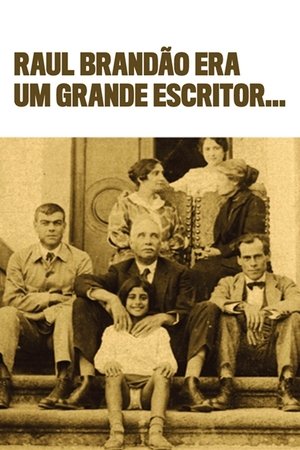
This film is an attempt to disclose if Raul Brandão has left any trace, in Nespereira, Gumarães.
Raised in the small all-Black Florida town of Eatonville, Zora Neale Hurston studied at Howard University before arriving in New York in 1925. She would soon become a key figure of the Harlem Renaissance, best remembered for her novel, Their Eyes Were Watching God. But even as she gained renown in the Harlem literary circles, Hurston was also discovering anthropology at Barnard College with the renowned Franz Boas. She would make several trips to the American South and the Caribbean, documenting the lives of rural Black people and collecting their stories. She studied her own people, an unusual practice at the time, and during her lifetime became known as the foremost authority on Black folklore.
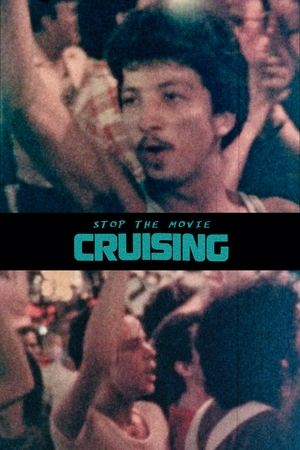
A short film documenting street protests against the filming of William Friedkin's Cruising (1980)
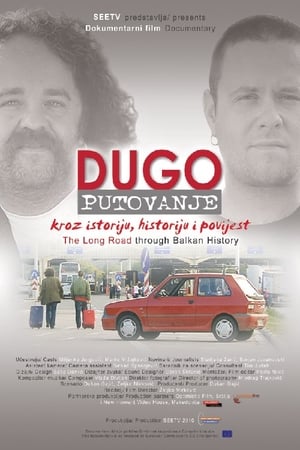
Bosnian Croat writer Miljenko Jergović and Serbian writer Marko Vidojković replace one another by the steering wheel of Yugo, a symbol of their common past while driving on the Brotherhood and Unity Highway that stretched across five of six republics of Yugoslavia.
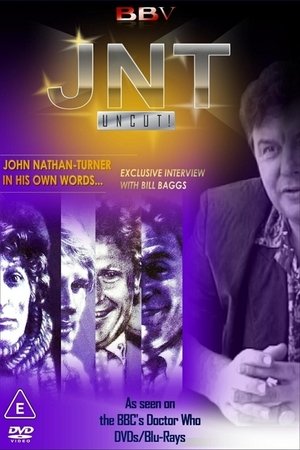
Bill Baggs first met JNT as a fan at the BBC Dr Who Production Office in the 80's. He later worked with JNT on various projects. Bill conducted this interview as part of the BBV dvd '30 Years of Time Travel & Beyond' produced in 1995. In the recording sequence of filming, Bill conducted this interview last in order to give John the opportunity to respond to criticisms from other contributors. The cafe where it was filmed was local to JNT in Saltdean, near Brighton where he was a regular visitor. When Bill first approached Jon about the documentary, John was initially resistant to take part, asking why he'd been left until last. However, once Bill explained the logic of 'save the best 'til last' John agreed.
A documentary about the BBC's Lime Grove studios
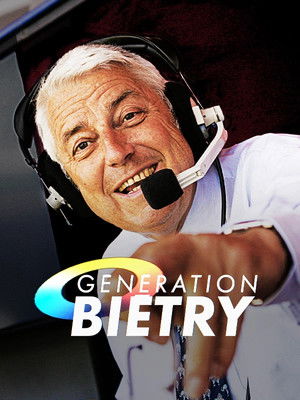
Génération Biétry
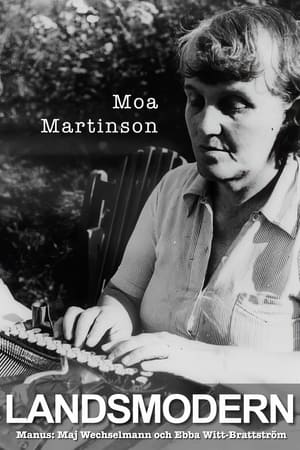
Documentary about Moa Martinson.
When Roger Lee slips on his front steps, he has no idea the fall will send him spiralling into the darkest chapter of his life. Injured, and drowning in despair, he hits rock bottom—until he discovers the power of his own words. Through pain, he finds purpose, turning his struggle into wisdom that inspires millions. Now, as a world-renowned speaker, he lifts others the way he once needed lifting. A raw and uplifting story of resilience, reinvention, and the unexpected ways we rise.
The documentary film follows the life and career of Milen Tsvetkov against the backdrop of historical events in Bulgaria that have transformed journalism and the media market in the country since 1989.