The Film “Life with Vultures” is about the efforts of a handful of NGOs and Government Agencies to save the only remaining Vulture species on the island of Cyprus, and by extension several other species of Birds and other wild animals
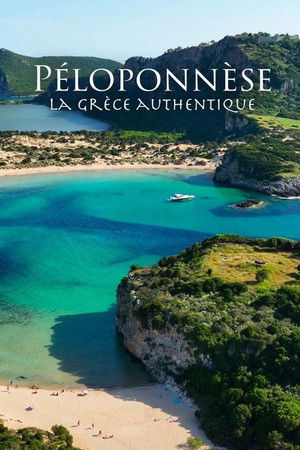
In Androusa, in the Kalamata region of Messinia, in the Peloponnese, Greece. This region produces what is considered to be the finest olive oil in the world. It's made from the Koroneiki olive, it is a very small olive, but also very rich and aromatic. Together with a cold extraction and a slow fermentation process, Koroneiki olive oil tastes like no other, a true nectar of the gods. This is the land of ancient myths and heroes, after all. Lets decover it with Dimitra Mathiopoulou, Oliver Oil Taster, University of Peloponnese Olive Oil Tasting Panel, Co-founder of "The Olive Routes" with her husband as the fifht-generation owner of the olive oil mill. They create and market Messiniako Organic Extra Virgin Olive Oil (ΔΗΩ Certification), with PDO Kalamata label. Documentary from: Food Insider | Regional Eats
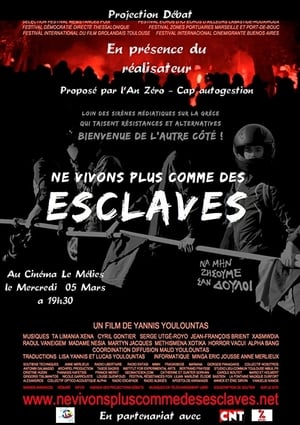
Unknown short stories from the past, the present and the future of fascism and its relation to the economic interests of each era. We will travel from Mussolini’s Italy to Greece under the Nazi occupation, the civil war and the dictatorship; and from Hitler’s Germany to the modern European and Greek fascism.
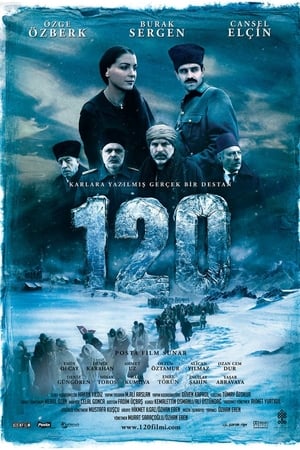
We have a topic that has always been on the agenda of Turkey and the world, which we have been discussing for nearly 40 years: Cyprus. To foreigners, Cyprus is known as an innocent little island under Turkish invasion. Everyone forgot the bloody events of the past. What about us? Do we know? No. Especially the younger generations, who have come to the point of governing the country today, do not know where this country has gone through regarding Cyprus. However, we are now approaching a road junction in Cyprus. I will tell you the story of Cyprus in this documentary. This is a very bloody and sometimes very sad story...
Karaoğlan: Bir Ecevit Belgeseli
In 2011, as tens of thousands of migrants, Loss, and Madess Moussa arrived in Europe via Turkey. Required by EU law to remain in Greece, they only want one thing : to leave. Therefore earn the money needed to start is an obsession and all means are good. The film "The Adventure" follows the lives of these three Ivorians to Athens - their sense of enclosure, strategies to find money, failover illegally, attempts to start - and explores what is at stake, individually and collectively during migration: relations to other migrant communities, friendship, betrayal, solidarity, mafias and violence.
A traveling theatre troupe tours the Greek countryside from 1939 to the early 1950s, staging “Golfo the Shepherdess”. As the years pass, its members endure persecution, betrayal, executions, and exile. Their personal stories become entangled with the country’s major historical events, in a seemingly endless cycle of violence and loss.
Determined to hold on to the throne, Cleopatra seduces the Roman emperor Julius Caesar. When Caesar is murdered, she redirects her attentions to his general, Marc Antony, who vows to take power—but Caesar’s successor has other plans.
A gravely ill, abused three-legged stray dog, abandoned in an industrial desert at Aspropyrgos, a town near Athens; a London based charity whose mission is to help the neglected animals of Greece; a group of young volunteers who patrol Aspropyrgos and nurse the strays – these are the characters of the film, in a nightmarish place, a hellhole for many abandoned animals. Does the sick three-legged hound stand any chance of getting adopted, becoming healthy again and running across the fields of Essex? Why are the Greekies, the strays from Greece, so popular when it comes to being adopted abroad? With an unexpected ending, the film tries to discover whether there is any hope for the doomed dogs and for a doomed area outside Athens.
Feathered friends prepare to meet their fate in this seasonal newsreel outing to a Norfolk turkey farm.
Are we alone in the universe? This question has been preoccupying humanity for decades. Today, people don’t believe in extraterrestrial life. But there are witnesses from different countries, having interesting experiences. This documentary focuses on stories of a group of people from Turkey who had those kind of experiences.
Fifty years after the coup and the Turkish invasion of Cyprus, Cypriot and foreign archaeologists, along with members of the Department of Antiquities' staff from that time, delve into personal memory, examine the collective trauma of war, and outline its impact on Cypriot archaeology. Weaving archival material from excavations with gripping personal testimonies, the documentary *"Skammata"* highlights significant moments in Cypriot archaeology, both before and after the tragic events of 1974.
The story of Saint Paisios, or else known as Arsenios Eznepidis. After being uprooted from Farasa of Cappadocia as refugees, the family of young Arsenios settles in Konitsa, Epirus where he grows up with his mother and grandmother, who inherit to him their deep faith in Christ as well as their love for all people. Fast forward to many years later, his time in Mounth Athos and his move to Filotheos monastery play a catalytic role in his religious journey. Eventually, he sends a photograph of himself to his mother, bidding her farewell and telling her that from then on the Virgin Mary will be his mother. He no longer signs using the name Arsenios, but Paisios.
The story of the statesman Ioannis Kapodistrias from his time as foreign minister of Russia all the way to Greece's independence in the 1820s.
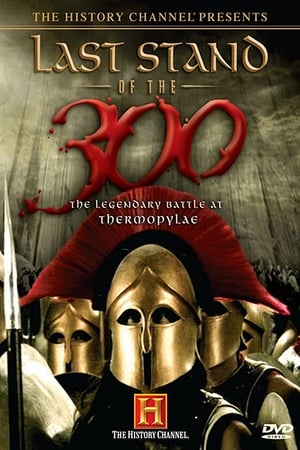
The 300 Spartans is an account of the 480 B.C. Battle of Thermopylae, in which the Greek Spartan King Leonidas, played by Richard Egan, led a remarkably small number of Greek Sparta to victory over an invading Persian army led by evil King Xerxes that was thought to number over 25,000. This spectacular conflict gave the Grecians enough time to organize a force to ultimately repel the Persians, and thus change the course of Western civilization.
Hosted by Keeley Hawes, star of the popular television series The Durrells, this documentary reveals the adventures of the eccentric Durrell family once they left Corfu, Greece.
Fragmentary perspectives on Human Rights and transgender (trans*) People in Turkey. What remains at the place where a murder happened? What constitutes trans* life? How to cope with daily violence and hatred? We begin to search for traces. We follow the tracks of resistance and survival. We are collectors of the expelled. We gather fragments of trans* lives inspired by texts of Nazim Hikmet, Foucault, Benjamin and Zeki Müren. Trans*BUT is a documental research study driven by the question: “What keeps you going when all else falls away?”
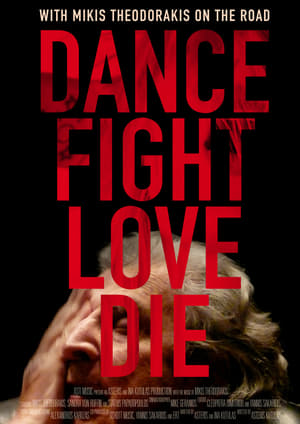
An intimate look into the life of composer Mikis Theodorakis from 1987 until 2017: comprising three decades, four continents, 100 locations and 600 hours of film material. The film interweaves personal moments with archive footage, documentary recordings and fictional pieces, all accompanied by Theodorakis’ music in jazz, classic, electro and rap versions.
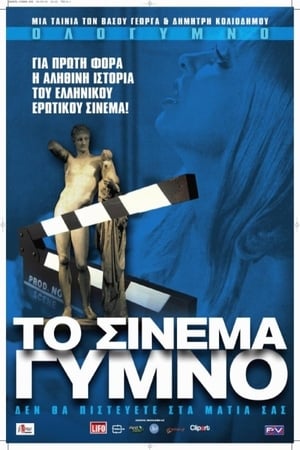
In the early 70s Greek cinema entered in a period of crisis. One of its aspects was said "crisis of issues" and one of the exits heard in the name "erotic cinema". The genre was already acquaintance from the abundance of foreigner films, that was distributed in the grindhouses under the "adults only" motto and its Greek version had a lot of variants.
Nick is a writer in New York when he gets posted to a bureau in Greece. He has waited 30 years for this. He wants to know why his mother was killed in the civil war years earlier. In a parallel plot line we see Nick as a young boy and his family as they struggle to survive in the occupied Greek hillside. The plot lines converge as Nick's investigations bring him closer to the answers.