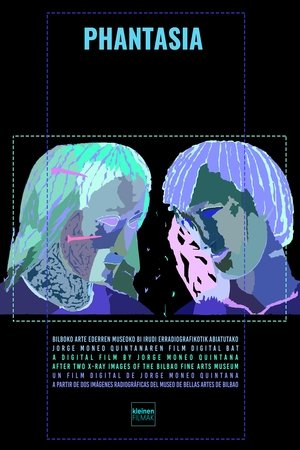
X-ray images were invented in 1895, the same year in which the Lumière brothers presented their respective invention in what today is considered to be the first cinema screening. Thus, both cinema and radiography fall within the scopic regime inaugurated by modernity. The use of X-rays on two sculptures from the Bilbao Fine Arts Museum generates images that reveal certain elements of them that would otherwise be invisible to our eyes. These images, despite being generally created for technical or scientific purposes, seem to produce a certain form of 'photogénie': they lend the radiographed objects a new appearance that lies somewhere between the material and the ethereal, endowing them with a vaporous and spectral quality. It is not by chance that physics and phantasmagoria share the term 'spectrum' in their vocabulary.
An artistic short film directed by Stan Vanderbeek.
Using simple, illuminative paper-cut puppetry, this enchanting video imagines the moment of witness that inspired Gwendolyn Brooks to write her landmark poem, “We Real Cool.”
Dozens of film enthusiasts come together to intervene and recreate already filmed in s8
Narrated as a letter to a mother, this short film traces the emotional undercurrents of leaving home and adjusting to a new environment, blending inner transformation with the changing landscape.
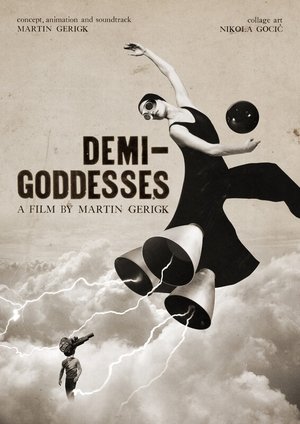
In a gargantuan city lurking in the sky, powerful immortals who have become jaded with eternal life. Most of their time is spent monotonously constructing bizarre and unusual objects while waiting for the ultimate gift to arrive.
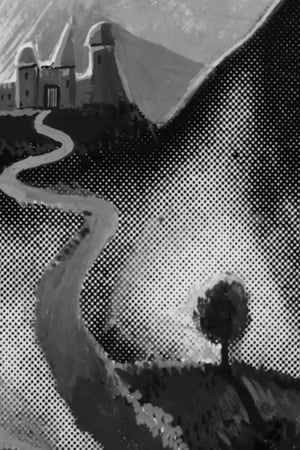
The third film of the biographical cycle based on Pushkin's drawings and texts.
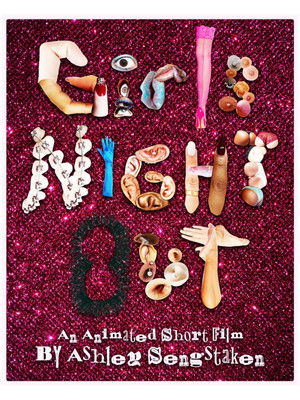
OMGGG it's a girls night out! C u @ the club, biotch! xoxo
Two young adults are confronted by compulsory heterosexuality and the gender binary, feeling pressured into conforming. Through self-reflection and mutual support, they find their own paths and break free from the expectations that were imposed on them. Together they find the courage to be themselves in a world that doesn’t seem ready for them.
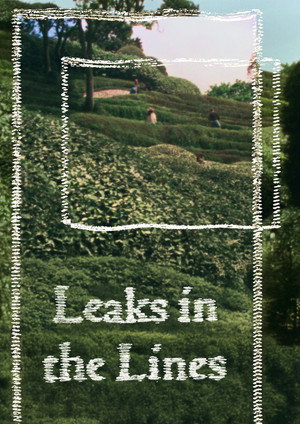
Leaks in the Lines is a hybrid film combining laser etching, phytograms, and 8mm footage of gardens to explore the tension between organic growth and imposed order. Reimagining the logic of Jacques Boyceau de la Baraudière’s authoritative 1638 garden design manual, Traité du jardinage, a new shifting visual system is created.
Tells seven stories about women that serve to illustrate a trip to a world of emotions, with questions about beauty and imperfection, and the importance of the small things in life.
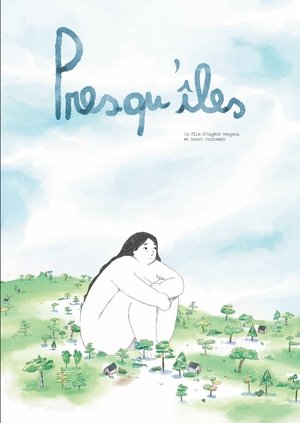
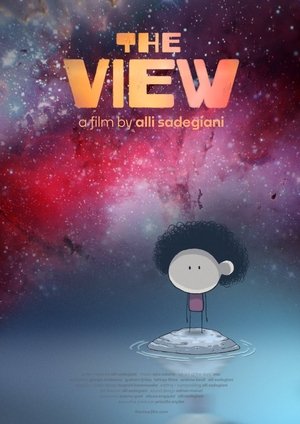
A giant woman wakes up on a pastel-coloured island where small yellow creatures harvest carrots. She seems too big for this world. Every step of her giant feet threatens to destroy a vegetable patch or hurt someone. Searching for a more suitable place to live she finally finds out where she belongs.
相思(上)
Pour ne pas oublier l'invisible
Death follows a poet for his whole life, being a parasite to the poet.
Bits of found film and different types of animation illustrate a classic chase scene scenario: A woman is abducted and a man comes to her rescue, but during their escape they find themselves in the enemy's secret headquarters.
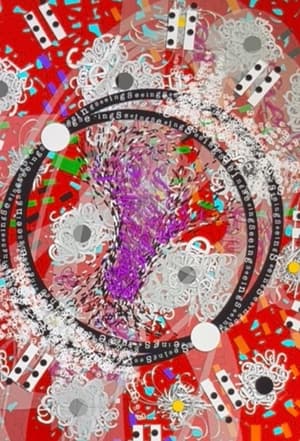
Through meticulous cut-up, collaging and stop motion, Nico Vassilakis makes words dance across the screen, moving our eyes in all different directions. This video poem is dynamic and colourful, and brings into question what happens when we 'see' a word - where do we distinguish between the image a word forms in our minds, and the image it forms on a page or screen?
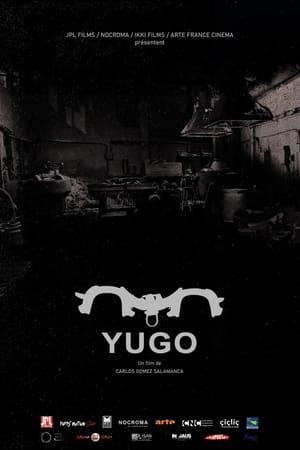
A and N, a couple of peasants create an informal metallurgy workshop in the outskirts of Bogotá in the hope of a better life. The social, environmental and organic consequences they must endure in order to adapt to the industrial capitalism that storms Latin America affects dramatically their relationship and their history.
Set in 1980s Sweden, an immigrant boy navigates a chaotic world of identity, love, and belonging. A kaleidoscopic journey through fragile places where acceptance lives.
The second essay about still dominant dark aspects of our modern society. It is conceived as a surreal anti-patriarchal thought experiment and raises important questions about gender, power, and social change, prompting us to reflect on how historical patterns of discrimination and oppression might be either repeated or overcome in a reversed gendered world. It challenges the viewer to confront their own assumptions and biases, and to consider the possibilities of a more equitable society.