Inspired by the life of the french-born photographer and ethnographer, Pierre Verger, the movie follows his journey between Bahia, Brazil and Benin, Oriental Africa, showing places and people he met and his life study project: the Candomblé culture.
Ferreiros dos Orixás
Exu - Além do Bem e do Mal
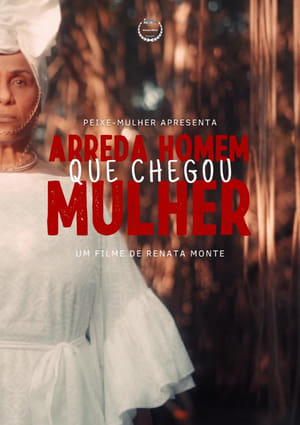
Documentary about terreiro women in Fortaleza who occupy the highest positions in the hierarchy, subverting the patriarchal tradition of religious communities.
Orun: O Mundo dos Orixás
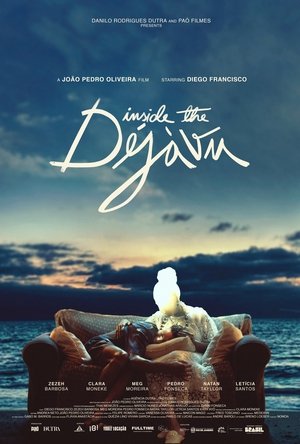
A stormy journey brings you closer to a feminine force hidden in nature.
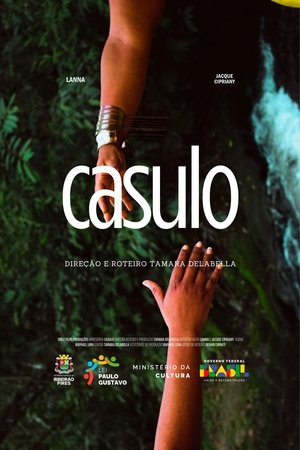
Oxum goes to the river every day to fill his jug with water. One day, a woman in red clothes crosses his path and changes her life forever.
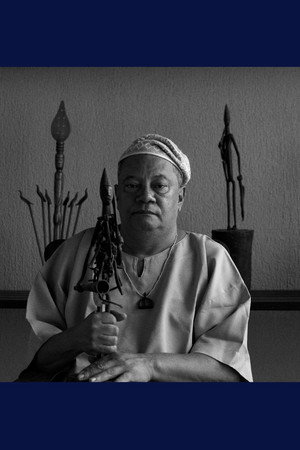
The process of formation of the person and its identity from an African conception of the world. The orixás (gods), linked to the forces of nature, are equal to people, and are not transcendent. of the person with their orixá, within the family and the culture. Filmed in a Candomblé terreiro of Bantu origin.
No Fim do Déjà Vu
Carapicuíba City O Filme
Casulo
Inspired by Thomas Merton's poem, ORIGINAL CHILD BOMB shows the human cost of nuclear weapons. The bombings of Hiroshima and Nagasaki are depicted through declassified footage, photographs, drawings and testimonies of mothers, brothers and soldiers. Ordinary people gaze upon the nuclear past and its terrifying present.
A promotional short on the movie Dirty Harry (1971) , which compares it to such classics as 'G' Men (1935) or The Big Sleep (1946) focusing on the toughness of those movies' main characters.
HIV+ youth bravely share their stories and battle stigma in this compelling documentary.
Madison Park Vocational, Roxbury, Massachusetts. A dysfunctional but talented high school hoops team tries to hold itself together. Graced with a handful of sharp shooters and savvy ball-handlers, they also struggle, both on and off the court, in a deteriorating public school system and the turbulence of life in the Boston inner city: rival gangs, a chilling murder rate, destructive families, and the struggle to stay in school and on the team. Closing in on the end of the season, the team has a shot at a state championship and an undefeated season for the first time in history.
Since the 1960's, journalists, scholars and filmmakers have been examining the Rastafarian movement in an attempt to explain its origins and its core beliefs. RasTa: A Soul's Journey, tells the story of the journey of Rita and Bob Marley's granddaughter's, Donisha Prendergast, to eight countries -- United States, United Kingdom, South Africa, India, Israel, Canada and Jamaica and Ethiopia -- to explore the roots, evolution and impact of Rastafari.
In this film, best-selling author and award-winning filmmaker Philip Gardiner, goes on an amazing journey into the heart of the timeless tale of the Hooded Man. He travels back thousands of years and unlocks the mystery and the myth. This film was shot on location in Sherwood Forest, England which is the very same place that Robin Hood and his band are said to have called their headquarters. Gardiner is joined by a cast of real life outlaws including the present day Robin Hood and Maid Marion.
Rudy Ray Moore tells all as only he can in this all-new retrospective legendary career. From his humble beginnings to his crowning as "King of the Party Records," Rudy Ray guides us through his struggles and triumphs in the film and music industries.
The filmmaker and the writer of 40 Views of Water both live in New Orleans, Louisiana, whose flooding following the collapse of defective levees and subsequent forced evacuation of its citizens inspired the film. Since there are no models in the canons of American literature and film for the depiction of the destruction of an entire city, the story of that migration and extended exile from home demands the invention of narrative forms appropriate to this unique catastrophe. The film tries to find a narrative in a meditation on the liquid state. In just forty sentences of narration and their accompanying images, 40 Views of Water seeks to express the sense of disorientation, journey, and sheltering we New Orleanians experienced after the levees fell.
Documents the parallel goals of man and nature, through the most primitive and sophisticated means, to simply stay in the light.