The Black Contribution – Literature and Theater 1978 is a rare documentary highlighting the voices and cultural impact of African American writers and performers during the civil rights era. Introduced by NAACP leader Benjamin Hooks and narrated by Roscoe Lee Brown, the film weaves together dramatic readings, theatrical excerpts, and candid urban street footage. Margaret Walker’s poem For My People is performed alongside scenes of daily Black life in New York City — children playing, families on stoops, open fire hydrants, and the realities of poverty in 1970s neighborhoods. James Baldwin appears in interview footage, while signs for his play The Amen Corner and stage excerpts from Lorraine Hansberry’s A Raisin in the Sun underscore the powerful presence of Black voices in American theater. With rare shots of Harlem life, literature, and performance, this film documents the enduring contributions of African American artists to U.S. culture and history.
Through personal stories, the documentary approaches the issues of gender identity and legal gender recognition in Greece. The three main characters explain how society has treated them, by narrating their experiences from the past and the present.
The Blu-ray Experience II: Opera, Ballet & theatre
Actress and filmmaker Robyn Adams discusses her experiences with autism, gender identity, and learning to embrace her flaws. Also, she's Frankenstein's Monster now.
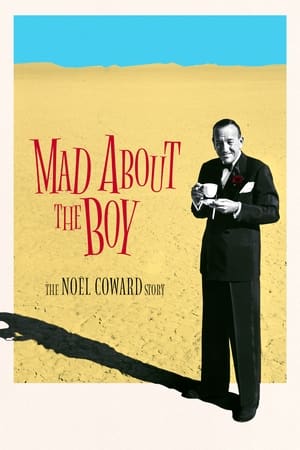
The extraordinary life of playwright, singer, actor, composer, and director Noël Coward, who rose from poverty to stardom while keeping his sexuality a secret. Featuring Laurence Olivier, Maggie Smith, Frank Sinatra, Michael Caine and Lucille Ball. Narrated by Alan Cumming. With Rupert Everett as the voice of Noël Coward. Directed by Academy Award Nominee Barnaby Thompson.
AmbulaTório
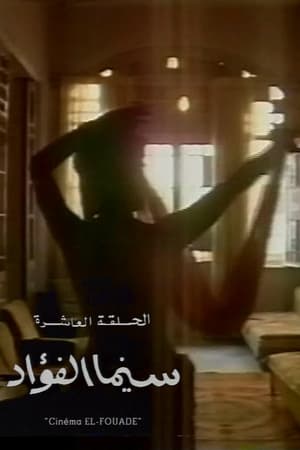
Cinema Fouad is a documentary portrait of Khaled El Kurdi, a Syrian trans woman living in Beirut, where she earns a living as a domestic worker and belly dancer. Soueid shows us scenes of El Kurdi’s domestic world: eating, applying make-up, dancing in her bedroom, all while reflecting on her life and experiences. She expresses her desire to undergo gender reassignment surgery, and mourns the death of her lover, a Palestinian freedom fighter. She often alludes to the aggressions she faces outside of her home, and through her adept defiance in the face of some of Soueid’s more goading questions, we recognize the echoing of these aggressions in his role as interviewer.
One night, nine children from the same Tunisian village attempt the deadly crossing. Like a poem or a prayer, this film welcomes the words of bereaved mothers and gives dignity to their grief.
Fragmentary perspectives on Human Rights and transgender (trans*) People in Turkey. What remains at the place where a murder happened? What constitutes trans* life? How to cope with daily violence and hatred? We begin to search for traces. We follow the tracks of resistance and survival. We are collectors of the expelled. We gather fragments of trans* lives inspired by texts of Nazim Hikmet, Foucault, Benjamin and Zeki Müren. Trans*BUT is a documental research study driven by the question: “What keeps you going when all else falls away?”
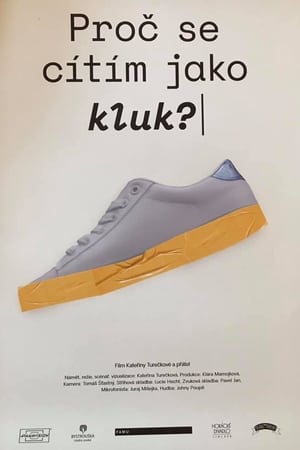
In a small village in the south of the Bohemian-Moravian Highlands, filmmaker Kateřina Turečková meets 16-year-old Ben, interested in learning about their newly discovered trans identity in person. Ben seeks refuge for their true feelings in cyberspace, finding moments of happiness by using green-screen technology to imagine their possible future. The film indirectly captures the (mis)understanding and (non-)acceptance Ben faces at school, its focused insight rounded out by the filmmaker’s interviews with Ben’s mother and sister, who inadvertently embody everything Ben hates about themself.
A look on transvestites and transsexuals in early 80's Paris. The documentary focuses on Elisa, a Brazilian transvestite and ends with a filming of a surgical operation male to female.
Člověk si sám se sebou vystačí, respektive nevystačí
This is the story of my grandfather, Tiago Florit, who for 50 years was a film operator at the Teatre Principal de Maó, in Menorca. It is a review of his life, from his birth to his death, in a cinematographic key. A true love story to cinema.
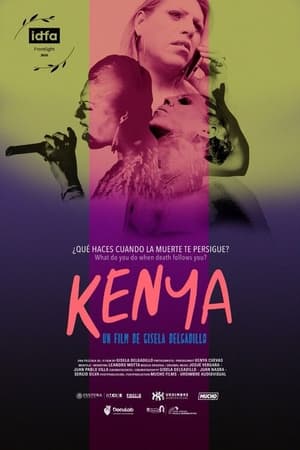
Trans women face extreme violence in Mexico City, and sex workers are even more vulnerable. This raw and deeply affecting portrait of Kenya gives an insider’s view of the impact that violence has on the community, and how complex life is for them. The film begins shortly after Kenya witnesses her friend Paola being murdered by a client. The film follows Kenya closely. Will the family accept burying Paola as she was: a flamboyant trans woman? Kenya approaches Paola’s loved ones with great respect and understanding—something she rarely experiences herself. When the murderer is released, she embarks on a lengthy battle for justice, backed up by her “sisters.”
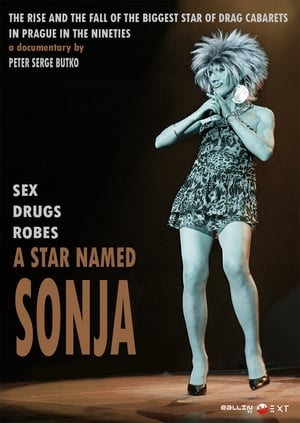
The rise and fall of the biggest star of travesty show in Prague in the nineties. The film tells the story of a man with shocking sincerity and openness in confession of two different personalities, woman and man living in one body.
A timeline of transformation, compiled from 8 years' worth of photos by and of transgender actress and filmmaker Robyn Adams.
Mulheres de Barba Rija
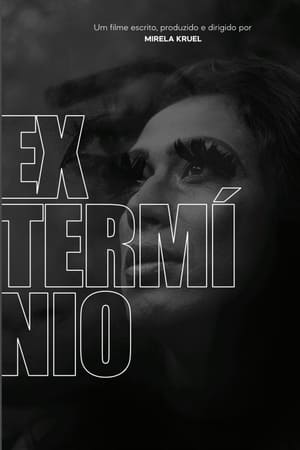
Exterínio proposes a reflection on the lives of trans women in a city in the interior of Rio Grande do Sul, based on a murder that occurred in 2016. Memories, provocations, life stories that intersect in a plot about the difficulties of living and being trans in the interior of the country that most murders trans women in the world.
Monika Treut explores the worlds and thoughts of several female to male transgendered individuals. As with Treuts first film, Jungfrauenmaschine, Gendernauts, enters a minority sector of San Fransisco culture. The characters in this film have a lot to complain about, and they do. They are people whose physical appearance (female) does not match their inner sexual identity (male). The subject is pinpointed in the film independant of sexual orientation. Leave your conservative hats at the door, this is going to need your special attention.
A look at why Hamlet, a play that’s over 400 years old, holds a mirror up to society today. Filmed across four days of workshops with youth theatre groups across London: The Big House, Bush Theatre Young Companies, Centre 59, and Open Door.