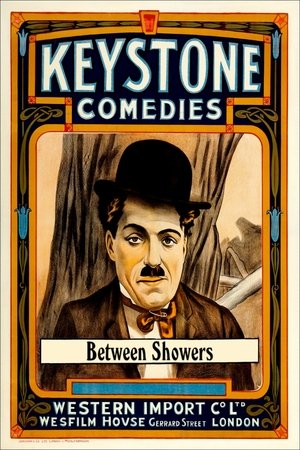
Mr. Snookie steals an umbrella and then, while trying to help a woman to cross a puddle, the Tramp appears and intervenes.
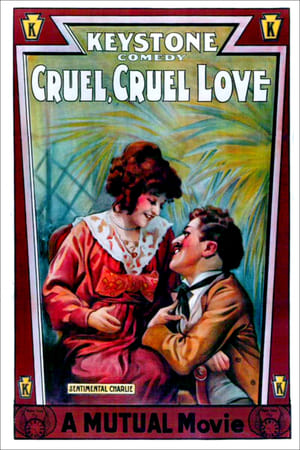
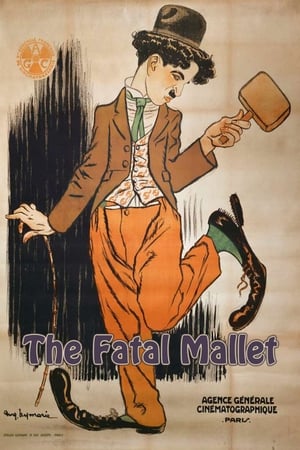
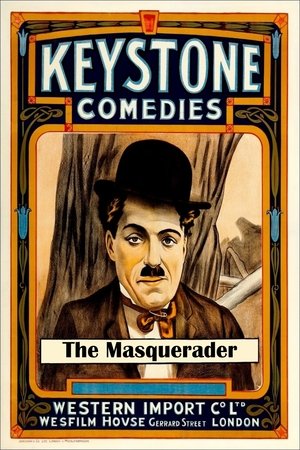
This early Chaplin film has him playing a character quite different from the Tramp for which he would become famous. He is a rich, upper-class gentleman whose romance is endangered when his girlfriend oversees him being embraced by a maid. Chaplin's romantic interest in this film, Minta Durfee, was the wife of fellow Keystone actor, Roscoe "Fatty" Arbuckle.
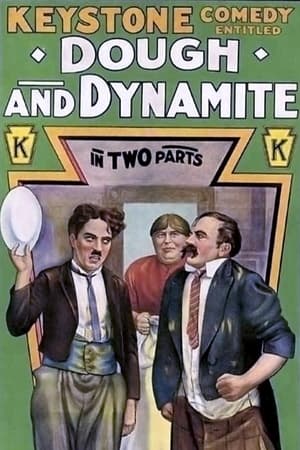
Pierre and Jacques are working as waiters at a restaurant where the cooks go on strike. When the two are forced to work as bakers, the striking cooks put dynamite in the dough, with explosive results.
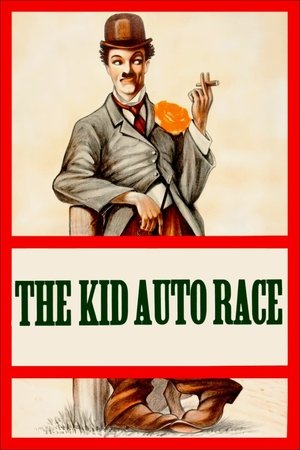
The Tramp interferes with the celebration of several kid auto races in Venice, California (Junior Vanderbilt Cup Race, January 10 and 11, 1914), standing himself in the way of the cameraman who is filming the event.
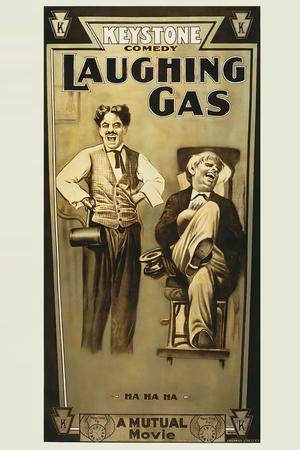
Although only a dental assistant, Charlie pretends to be the dentist. After receiving too much anesthesia, a patient can't stop laughing, so Charlie knocks him out with a club.
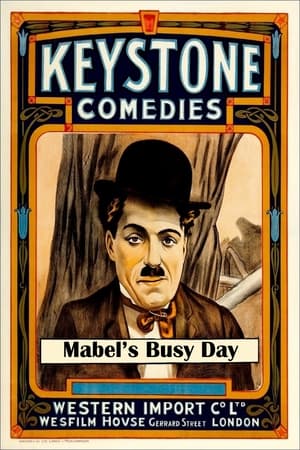
Mabel tries to sell hot dogs at a car race, but isn't doing a very good job at it. She sets down the box of hot dogs and leaves them for a moment. Charlie finds them and gives them away to the hungry spectators at the track as Mabel frantically tries to find her lost box of hot dogs. Mabel finds out that Charlie has stolen them and sends the police after him. Chaos ensues.
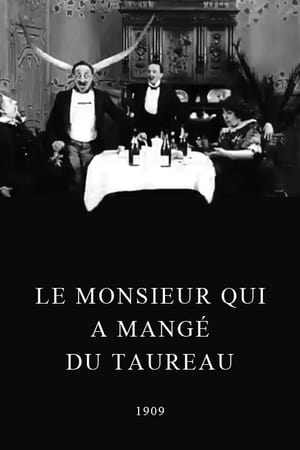
At a dinner party, a hostess serves her guests a dish made using meat from a bull. While most of them enjoy the meal, one man has a strange reaction: Taking a set of horns off the wall, he attaches them to his head and sets off on a rampage. After destroying the house and terrifying his hostess, her guests, maid, and neighbours, he takes to the streets. The police sends a telegraph to Spain asking for help, and in response a parade of matadors arrive in Paris, ready to slay the crazy beast-man. However, soon after the man-bull fight begins, the errant guest comes to his senses and is taken into custody by waiting policemen.
The scene of the drama is a block of modern flats. Many of the residents are away at a dance, and the janitor and his staff decide upon a jollification of their own. They invite their friends to a fine high tea. Everybody is having a fine time, and their spirits are running high. We are now taken to the outside of the hall door, and watch with amusement the frantic pounding and bell ringing of the residents returning from their evening engagements and seeking admission to their apartments. The gay gathering inside are too busy with their own pleasure to heed the angry crowd outdoors. A policeman is called, but all to no purpose, and the tenants are all taken to the station for quarters for the night. Returning to the janitor's quarters we see that the jollifications have been concluded and the guests are all departing. The superior officer at the station concludes to make another effort to gain admittance in the building and, with the tenants at his heels, he approaches the flats.
Mr. and Mrs. Hilton throw a New Year's Eve party. They agree not to drink the punch themselves, but as guests begin to arrive their resolve weakens, and soon they are both cavorting drunkenly. Next morning Mr. Hilton, feeling very sick, is conscience-stricken over his drunkenness and his behavior with another woman. He fears to face his wife until he discovers that she feels just as guilty herself.
Romance of a Boot and a Dancing Slipper
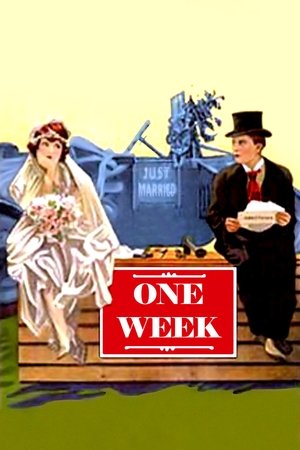
Newlyweds receive a build-it-yourself house as a wedding gift—and the house can, supposedly, be built in "one week". A rejected suitor secretly re-numbers packing crates, and the husband struggles to assemble the house according to this new 'arrangement' of its parts.
An oil heir and the daughter of a social climbing family are set to marry.
Compilation of comedy sketches from the comedy kings Buster Keaton, Charlie Chaplin, Danny Kaye & Bing Crosby.
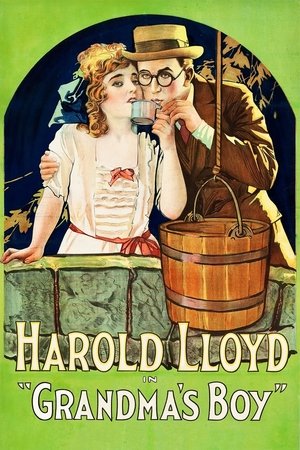
A meek young man must find the courage within when a rogue tramp menaces his hometown.
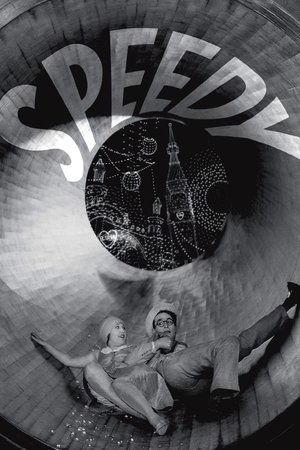
A hapless young man living in New York City rallies to save his girlfriend's grandfather's horse-drawn trolley, the last in the city, from being put out of business by a railroad company.
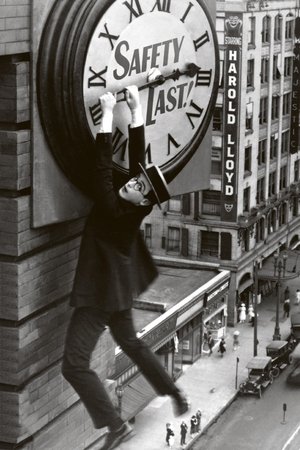
When a store clerk organizes a contest to climb the outside of a tall building, circumstances force him to make the perilous climb himself.
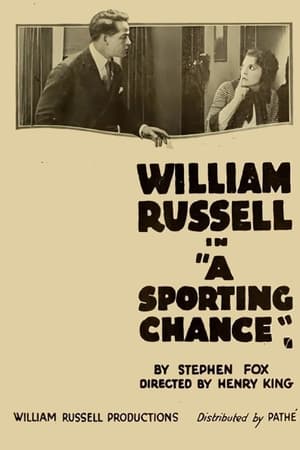
John Stonehouse (William Russell) checks into a hotel, intending to commit suicide. But instead he winds up helping a girl, Gilberte Bonheur (Fritzi Brunette), out of a jam. He finds her bending over a man who she has apparently killed, and since he's about to kill himself anyway, he offers to assume the blame. Throw a valuable emerald into the works, and the fact that the dead man suddenly comes back to life, and Stonehouse -- not to mention the audience -- becomes thoroughly befuddled by it all. Everything clears up, however, when Gilberte gives him a theater ticket -- it turns out that everything he went through was the plot to a stage play, enacted in real life by the actors. The critics roasted the play, saying it wasn't true to life, and this was their proof that the situations really could happen. Gilberte retires from acting when Stonehouse proposes.
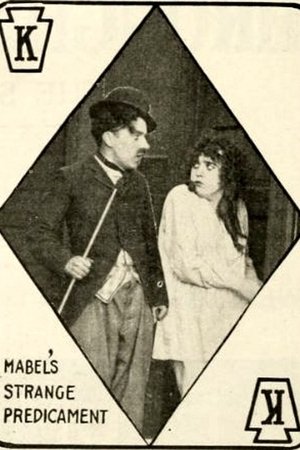
A tramp gets drunk in a hotel lobby and, upstairs, causes some misunderstandings between Mabel, two hotel guests across the hall from her room, and Mabel's visiting sweetheart.
Three men compete for the attentions of a pretty girl. One of them, a little tramp, plays dirty.
Charlie plays an actor who bungles several scenes and is kicked out. He returns convincingly dressed as a lady and charms the director, but Charlie never makes it into the film.