This chronicle of the Christchurch Commonwealth Games marked one of the National Film Unit's most ambitious productions. Though a range of events (including famous runs by John Walker and Dick Tayler), are covered, the film often bypasses the pomp and glory approach; instead it dares to talk to the injured and mention that most competitors lose. The closing ceremonies of the "friendly games" feature the athletes gathering to — as the official song's chorus put it — "join together". Four directors joined together to work on it: Arthur Everard, John King, Paul Maunder and Sam Pillsbury.
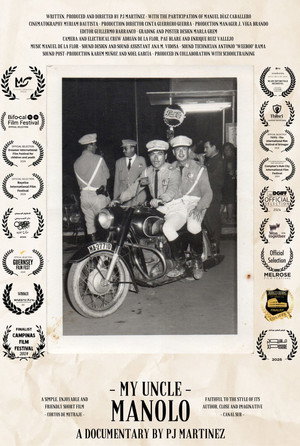
Focused on the experiences of Manuel "Manolo" Díaz Caballero, who was a local police officer in Malaga for more than 30 years, his memories of those years are the subject of this documentary.
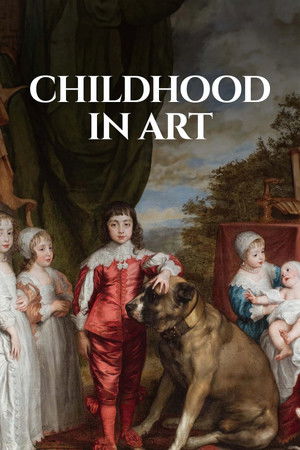
How have the changing views on children been reflected in their representation in art? From Baby Jesus to the first photographic portraits, an exploration of six centuries of art history through the prism of childhood.
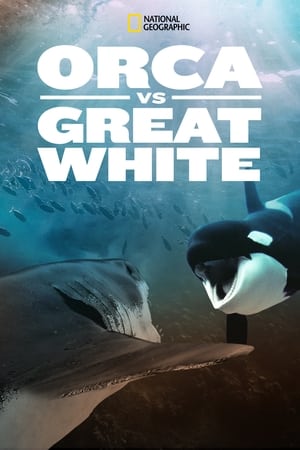
Researchers investigate whether orcas have begun hunting great white sharks off the coast of New Zealand.
Národní museum
A Lord of the Rings tour guide in New Zealand processes his grief in a wonderful way.
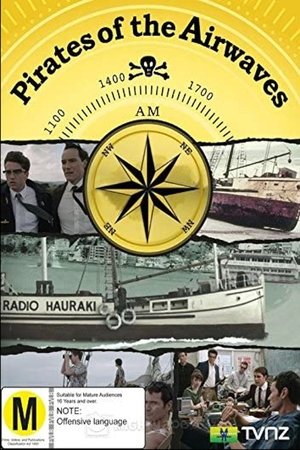
In 1966 a group of determined young men defied the New Zealand government and launched a pirate radio station aboard a ship in the Hauraki Gulf.
A documentary about the history of settler groups that came to New Zealand from Europe.
A documentary about the threat posed to New Zealand's Kaipara Harbour by rapacious commercial fishing and development.
Documentary examining the work of sculptor Richard Lippold, particular his sculpture of the sun at the Metropolitan Museum of Art.
Decolonising the Curatorial Process is a forty-minute documentary which explores decolonial strategies in an academic and curatorial context. The film features academics, activists and practitioners, and contains case studies of institutions that are deploying critical, self-reflective forms of curatorial practice. The Museum of London Docklands exhibition on slavery and the sugar industry is examined as an example of how an institution can decolonise the curatorial process, utilise the work of artists in a museum context, and critically examine East London's imperial history. The Pitt Rivers museum in Oxford, who are working with Maasai activists from Kenya and Tanzania on a project centred on repatriating the museum's collection of sacred Maasai artefacts, also features in the film.
A documentary exploring the human-cat love story amidst a movement to eradicate cats in New Zealand.
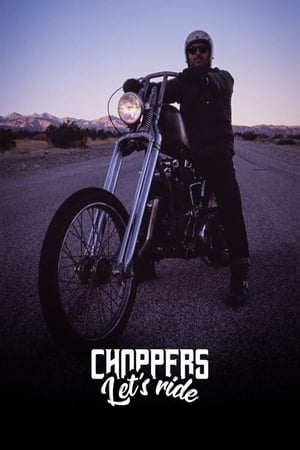
Choppers, let's ride
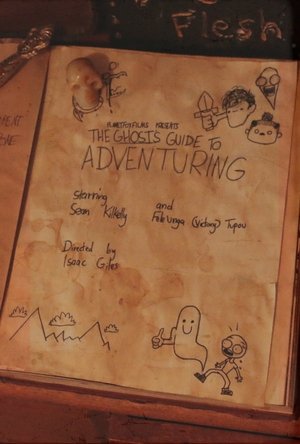
After accidentally freeing an adventurer's ghost from a cursed jar, Robin embarks on an adventure of her own to help get the ghost to the afterlife. Little does she know that if the ghost gets what he wants Robin will be the one whose existence is cut short!
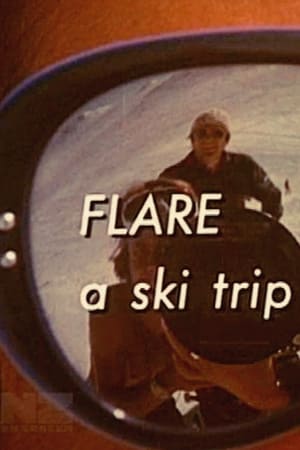
A short documentary about freestyle skiing made for the New Zealand Tourist and Publicity Department.
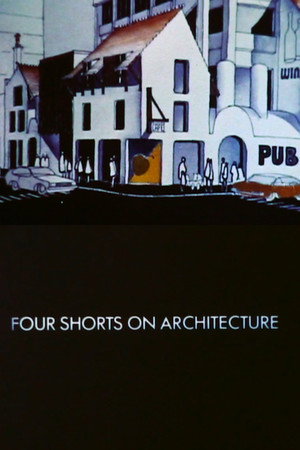
A visual essay on contemporary Kiwi architecture.
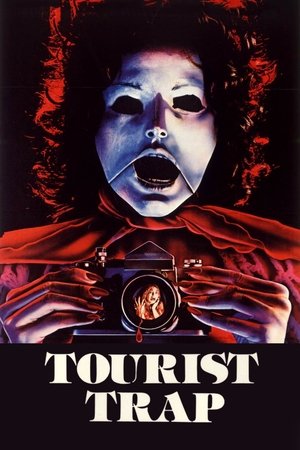
After their car breaks down, a group of young travelers find themselves stranded at a roadside museum run by the enigmatic Mr. Slausen and populated by his collection of life-like wax mannequins.
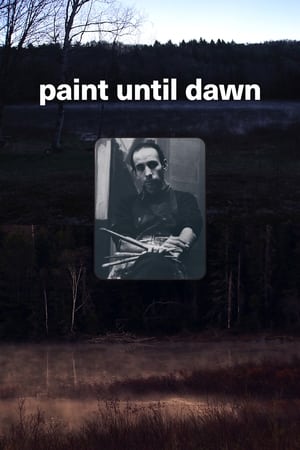
Seeing is to painting what listening is to politics. Survival as an artist demands both. Paint Until Dawn is a documentary on art in the life of James Gahagan (1927-1999), who painted all night to push the limits of vision. His life and thought reveal a correlation between art and activism through an interesting angle: the creative process itself.
A portrait of five St. Petersburgians and their connection to The Hermitage.
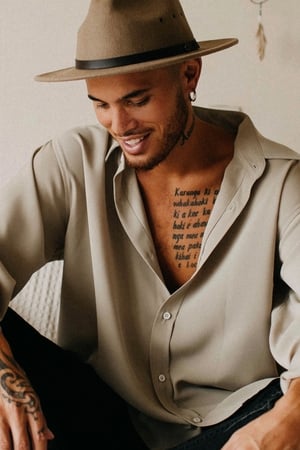
A documentary following acclaimed Kiwi musician and actor Stan Walker as he opens up his world to the public, sharing his most intimate moments over the last nine months.