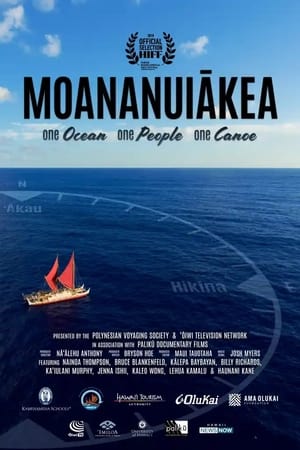
From 2019 Maui Film Festival This powerful documentary celebrates the historic Malama Honua Worldwide Voyage that connected countless individuals and communities from around the globe. A voyage that also represented the fulfillment of the vision of Nainoa Thompson and his contemporaries, the passing of the mantle to the next generation of kanaka maoli who will retain the skills of their ancestors and perpetuate this tradition for generations to come so the legacy of Hokulea can last for 1,000 generations.
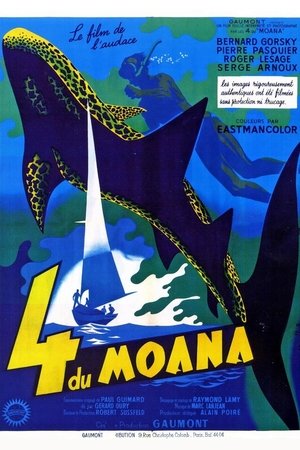
Documentary focused on underwater shootings and hawaiian dances.
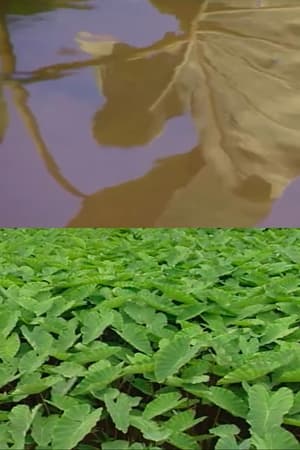
Kalo (taro) production on each of the major islands of Hawai'i circa 1994. Meet the amazing people who love and continue to cultivate taro on lo'i that in some cases has been in the family for generations and centuries! Young, old, and family growers on Maui, Moloka'i, Hawai'i, O'ahu, and Kaua'i islands. Includes history/culture of kalo, Issues related to land and water, uses of kalo, and prospects for the future.
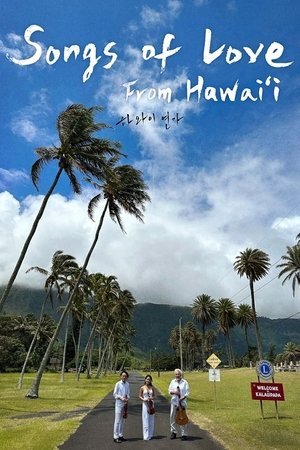
Told in three unique stories, Songs of Love from Hawaii is a hybrid historical drama that uncovers the journeys of Hawaii's first Korean immigrants. From picture bride Lim Ok Soon to those isolated in Kalaupapa, their tales of love, sacrifice, and resilience come alive through stunning performances by world-class musicians and rare archival images against Hawaii's breathtaking landscapes.
Surfing at Waikiki Beach, Hawaii, on the island of Oahu. Most surfers are human, one is a dog. The educational documentary is part of the Bruce Scenic Novelties series.
Documentary about two boys and a girl who travel to surfing spots around the world.
A documentary surf film that explores the lives of female surfers who have chosen to paddle head first into the male dominated sport of surfing and along the way found a place of their own.
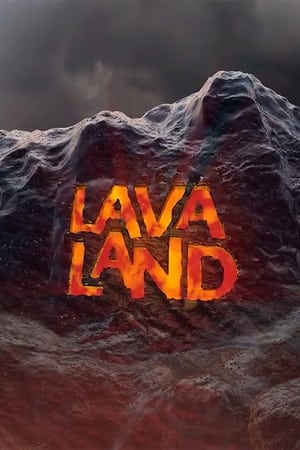
Hawaii, with its tropical rainforests and diverse coral reef is a spectacular natural paradise for travellers, surfers and all fans of breathtaking sandy beaches and lush green mountains. But life on the American island chain also has a dangerous side: permanently active volcanoes, lava caves, and even burning lava pours into the sea! Here you can see black smoke rise up, spray the red-hot magma into the sky and feel how the earth trembles. Located on the Pacific plate is unusual for volcanoes, Hawaii is thus researchers a fascinating destination. At Kilauea, the most active volcano on earth, the inhabitants have to live in constant danger found over the centuries cope. Lava Land - Glowing Hawaii takes you into the world of researchers and residents on the Big Iceland, the largest island of Hawaii.
A mother and daughter, estranged by divorce and mental health issues, reconnect through patience, understanding, and their a shared appreciation of their Native Hawaiian heritage.
In the years following the Civil Rights movement and the passage of Title IX in 1972, Dr. Donnis Thompson (a headstrong African-American female coach), Patsy Mink (the first Asian-American U.S. congresswoman), and Beth McLachlin (the team captain of a rag-tag female volleyball team), battled discrimination from the halls of Washington D.C. to the dusty volleyball courts of the University of Hawaii, fighting for the rights of young women to play sports.
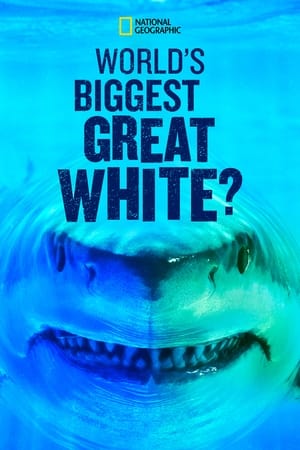
Three great whites are spotted in the waters off Oahu, but another one could be lurking just below the surface.
Hawaï, l'archipel le mieux gardé d'Amérique
This film portrays Hawaii as a multifaceted American territory, far more than just a tourist destination with picturesque beaches and palm trees. It describes Hawaii as a group of volcanic islands in the Pacific, serving as a crucial crossroads for shipping and air travel between North America, Asia, and Australia. The film highlights Hawaii's fertile soil, conducive to agriculture, with major crops being sugar cane and pineapples, cultivated historically by a significant Asian workforce. Cities like Honolulu are presented as modern, diverse urban centers blending various cultures, including the native Hawaiian heritage. The film also notes Hawaii's strategic importance, with historical sites like Pearl Harbor, emphasizing its unique combination of cultural richness, economic vitality, and historical significance.
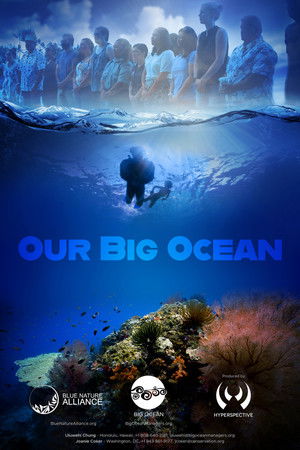
A short documentary that talks about how ocean conservation managers from around the world come together to collaborate on ways to save our oceans. It also discusses the importance of including indigenous and traditional knowledge to start solving challenges. We produced this in collaboration with Big Ocean Managers and Conservation International.
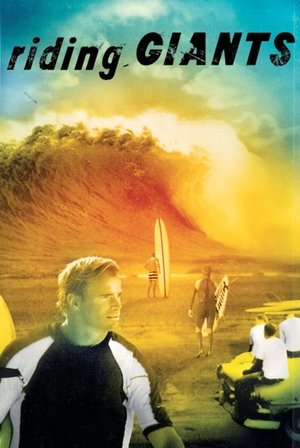
Riding Giants is story about big wave surfers who have become heroes and legends in their sport. Directed by the skateboard guru Stacy Peralta.
Sheep bound through a narrow opening, followed by a panoramic vista of the flock running through a meadow.
Since South and North Korea's liberation in 1945, North Korea, a communist dictatorship that suppresses freedom and oppresses human rights, and South Korea, which has entered the path of economic prosperity and advanced countries based on freedom and democracy, have taken different paths. How did the two countries with the same language, history, and race, become divided into two extreme countries? A work that highlights the sacrifices and struggles of President Syngman Rhee and the first generation of founding members who worked to create and protect today's Republic of Korea over the past 70 years of history.
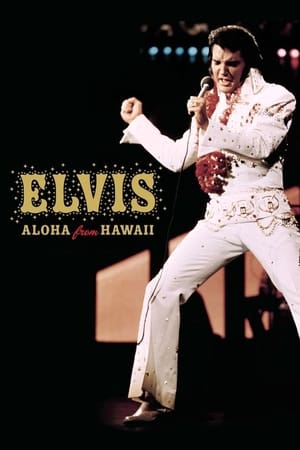
A 1973 concert by Elvis Presley that was broadcast live via satellite on January 14, 1973. The concert took place at the Honolulu International Center in Honolulu and aired in over 40 countries across Asia and Europe. Viewing figures have been estimated at over 1 billion viewers world wide, and the show was the most expensive entertainment special at the time, costing $2.5 million.
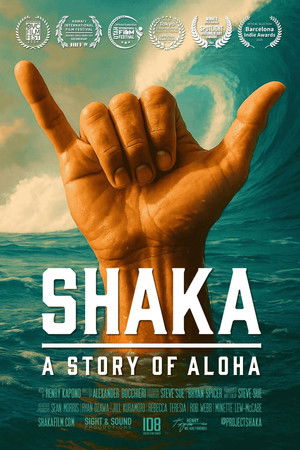
A documentary on the origin, meanings and uses of the gesture. The shaka sign is reputed to be over a century old, but its origins are the stuff of myths and legends. It turns out that kupuna (Hawaiian elders) have kept the story secret for almost a century. Why? They didn't want it told incorrectly or commercialized. But given advancing age and a world in need, they decided it was time to share the story.
Nihi is a film biography of Titus Kinimaka, one of the last remaining professional big-wave riders of pure Hawaiian descent. As a boy, he won surf contests against those twice his age; by his teens, he was recognized as one of the best surfers to have ever hit the waves. In 1996 at age 41, Titus was named Waterman of the Year by the Hawaiian Lifeguard Association for outstanding rescues as a lifeguard. He has spent over twenty years spreading aloha spirit, traveling the world as an ambassador for surfing and Hawaiian culture