Former football player and wrestler Chris Nowinski's quest to publicize recent findings about the often dire consequences of head concussions sustained by athletes in contact sports — injuries that have previously been considered momentary setbacks and ignored in the name of toughness and dedication to the team.
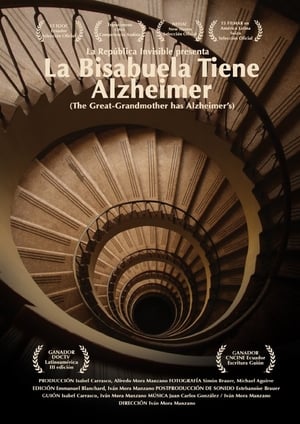
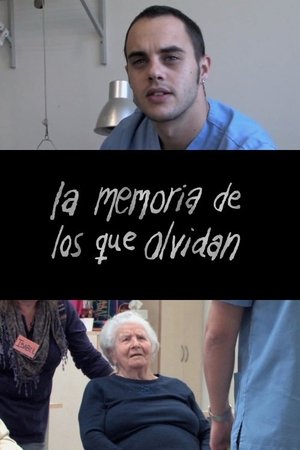
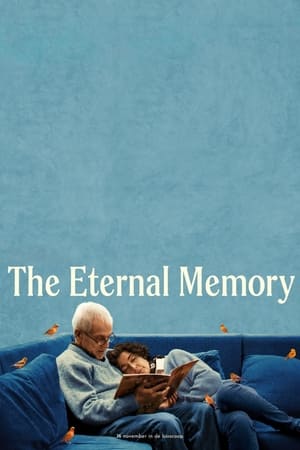
This documentary is about living with Alzheimer's, seen exclusively through the eyes of people who suffer from it. Eight of them live together under constant supervision and care. They are all in the first phase of the disease: bouts of lucidity, forgetfulness and falling into oblivion constantly alternate. The patients live their lives, as long as they're capable. The film is a 'tranche de vie': a portrait of the daily coming and going of people in that particular and ditto state. It is also the portrait of a brutal disease that irreversible expropriates the memory from the characters. Eventually the characters will have changed. Because of their illness, they may have been disappeared completely, physically or mentally.
Anatomie de la douleur
A film about Seth Rogen and his close relationship with Alzheimers, along with his “Hilarity for Charity” cause.
Can the human brain really handle several tasks at once? The film exposes the myth about effective multitasking and takes a scientific look at its feasibility in the real world.
A poignant, sometimes sad, sometimes painful, sometimes humorous, often absurd story of a multiple journey: the journey of loss as the director’s mother Aida struggled with losing herself to Alzheimer’s disease, but finding solace in her repeated “returning” to the Yafa and Palestine of her youth; the journey of the loss of a parent; and the ultimate return journey back to Yafa where Aida would finally find rest and be herself once more.
Drawing on the book of the same name, League of Denial crafts a searing two-hour indictment of the National Football League’s decades-long concealment of the link between football related head injuries and brain disorders.
In the past, the now 82-year-old Leo happily traveled with his wife Riet to faraway lands. But since the first signs of Alzheimer’s, the father-in-law of filmmaker Marco Niemeijer prefers his own backyard above anywhere else. There, surrounded by his beloved trees and plants, Leo tries to keep hold of his increasingly confusing existence. Over the course of a year, Niemeijer films Leo every month, from season to season. Whether rain or shine, Leo can always be found in his trouble-free refuge. At first his words and actions are coherent, but as time passes, these become increasingly illogical. Leo begins to wander more aimlessly, playing with a thought and then losing it. Various mantras help him deal with his situation, such as "What I’m not looking for, I will not miss." The intimate yard scenes alternate with old home videos made by Leo during his wanderlust years.
In his most personal documentary yet, Chris Hemsworth turns the camera on his own family after his dad’s recent Alzheimer’s diagnosis. They embark on a road trip into their past, exploring the science of social connection and how it can support memory function. They revisit meaningful places and faces, capturing it all as a home movie, and reviving treasured recollections.
Documentary about euthanasia.
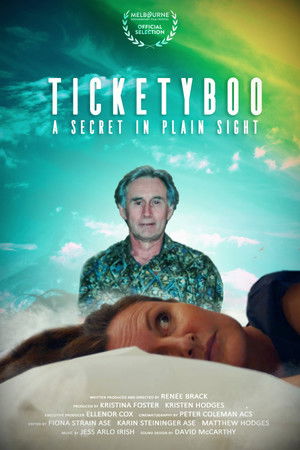
Every weekend for six years, Jessica takes a bus from NYC, where she lives and works as a set decorator, to Boston, her hometown, where she cares for her dad, Aloysius, who is 87 and has advanced Alzheimer's disease.
The threat of dementia is affecting more and more people. As they slowly lose their memories and physical abilities, music proves to be a miraculous source of comfort, vitality, and hope. How is it, for example, that people with dementia often remember music longer than their own names?
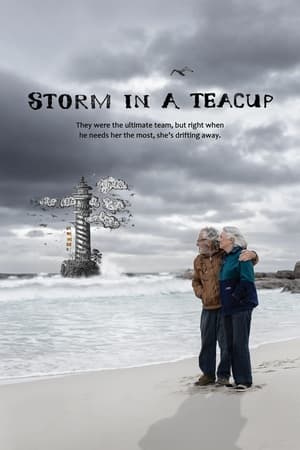
Lou Colpé has been filming her grandparents since she was 15. In the process of this intense relationship, she notices some disconcerting signs in her grandmother: Alzheimer’s is slowing her down. A new film begins, a tougher one: the story of a couple that must face a tremendous challenge. Struggling against the tide of oblivion, the task of filmmaking becomes the ultimate act of resistance. Trying to retain the last images of her grandparents, an intimate conversation begins and echoes through the songs that play on the radio, conjuring lost stories and memories.
After 50 years in theatre, film and television, Carme Elias is diagnosed with Alzheimer's Disease. Together with Claudia Pinto, a director and friend, they decide to record her last conscious voyage. The characters played by Carme accompany this difficult period, while the borders between fiction and reality disappear. While You're Still You is a constant game of mirrors, a pact of love and friendship.
This Academy Award-nominated film takes a moving personal story, illuminates it with insight and humor, and makes it universal. In recounting her attempts to come to terms with her mother's advancing Alzheimer's disease, Deborah Hoffmann explores the relationship between mother and daughter, parent and child, and the tenacity of love.
In a village in Thailand, Pomm works in a care center for Europeans with Alzheimer's. While she is separated from her children, she helps Elisabeth during the final stages of her life, as Maya, a new patient, is on her way from Switzerland.
Arnau is a seventeen year old with a totally carefree life. In high school, falls in love with Olga. From there his life changes. To make merit with Olga, pointing to all those involved in activities, including going to care for elders at the weekend that the association is voluntary Olga. This is how he meets Ramon, a man of a past that has a confusing libertarian principle Alzeheimer.
La memoria inmortal
Day after day, an elderly woman recalls the Spanish Basque country of her youth — while forgetting she is consigned to a retirement home in Chile.
Filmmaker Alan Berliner documents his first cousin, the poet-translator Edwin Honig, as he succumbs to Alzheimer's.