A haunting story of the FBI's dark hand in American life. In 2015, Khalil Abu-Rayyan was just a young Muslim man in Detroit, Michigan: to get by, he delivered food for his family's pizzeria. Depressed and lonely, Khalil found solace in smoking weed and looking at extremist material online. Then two young women started messaging him, and he fell in love. But one of them suggested he start doing increasingly violent things. Nothing was as it seemed. And Khalil's life would never be the same. A documentary by Garret Harkawik for the Gravel Institute.
Los Cocheros de Drácula
In this poetic portrayal of Luigi Ghirri (1943–1992), a master of contemporary photography, the director gives voice and, in particular the image, to the protagonist. The photographer takes the audience on a tour of the outskirts of daily life as seen from the corner of his eye, the area in between what is artificial and authentic or grand and small – the meso-scale.
In this documentary the poet Nelson Castelo is filmed in the intimacy of his home and reflects a little about himself.
A documentary about the rise and fall of the Cannon Film Group, the legendary independent film company helmed by Israeli cousins Menahem Golan and Yoram Globus.
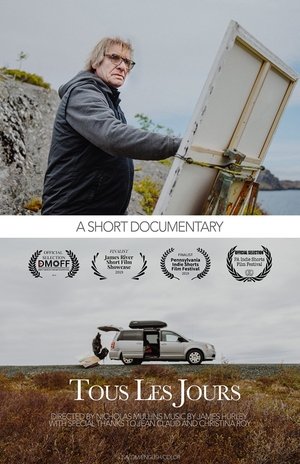
In rocky Newfoundland, renowned French artist Jean Claude Roy gathers his paints and sets off to face the day. Whether it be freezing snow, violent wind, or pouring rain, he commits vibrant colors to canvas and conquers the day by weaving crooked beauty out of difficulties.
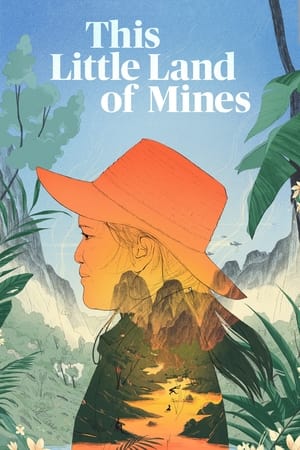
During the Vietnam War, the US bombed Laos more heavily than any other country had been bombed before. Today, the Lao people live among, and risk their lives to clear, over 80 million unexploded bombs on their doorsteps. With great beauty and empathy, this documentary reveals the unbelievable stories of the men and women at the forefront of this monumental task.
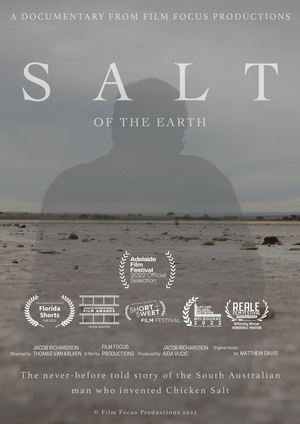
An Australian icon found on every supermarket shelf, and coating every game day pack of hot chips. But the story of the South Australian man who invented the famous Chicken Salt has never been told. While he sold the company in the late 70’s to the brand names you see in your cupboard today, he maintains that the original recipe, held secret for more than 40 years, tastes even better.
Pearl Gluck travels to Hungary to retrieve a turn-of-the-century family heirloom: a couch upon which esteemed rabbis once slept. En route for the ancestral divan, Pearl encounters a colorful cast of characters who provide guidance and inspiration.
An inside look at Jessica Piper, a Democratic Candidate running for a House seat in District 1 of Missouri. This is a snapshot of her mind and what it feels like to run a campaign in an overlooked place.
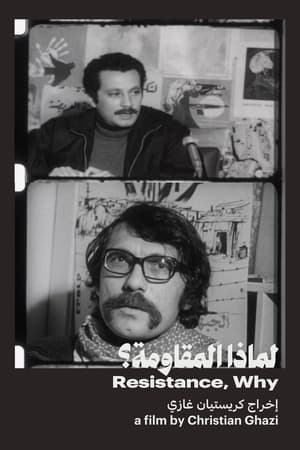
In 1970, Christian Ghazi and Noureddine Chatti met with a number of Arab political figures, especially Palestinians residing in Lebanon, resulting in this piece of armed (alternative or third) cinema that captures a crucial cross-section of the Palestinian resistance in Lebanon in 1970. The film features footage of Ghassan Kanafani, Sadiq Jalal El-Azm, Nabil Shaath and other personalities who share their vision of the Palestinian revolution, tracing its history back to the early 20th century. These testimonies describe the numerous strikes and popular protests that took place in Palestine under the Ottoman occupation, followed by the British colonization and the settlement of the Jewish state in 1948. They enumerate the objectives of the struggle, emphasising the necessity for a free and democratic Palestine, defended through armed or non-armed struggle by all its citizens, men and women of various affiliations.
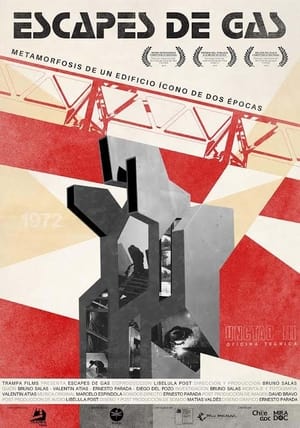
1972. During the government of Salvador Allende 34 artists made works that were included in the construction of the UNCTAD III building, today GAM. After the 1973 coup, few works survived looting and destruction. 40 years later, Joaquín Maruenda, son of the late sculptor Félix Maruenda, finds a record that leads him to investigate the events of the sculpture "Chimeneas" and its possible restoration. Joaquín, artists and workers involved with the construction of the building, will try to answer the question Why did they destroy the art?
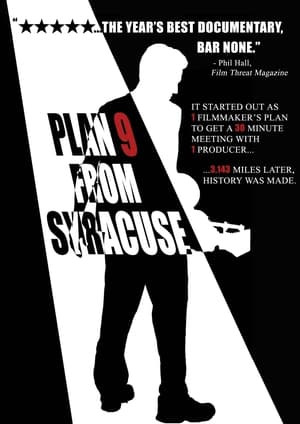
On August 15th, 2006, filmmaker Ryan Dacko set out to get a 30-minute meeting with a major Hollywood producer by running on foot from Syracuse, New York to Hollywood, California.
Unconditional: A Journey of Selfless Love explores the love, care, and sacrifices family caregivers give to their loved ones and the many loving choices they have to make. Learn what it means to be committed and loyal to someone no matter the circumstances as highlighted through four caregivers and their journeys.
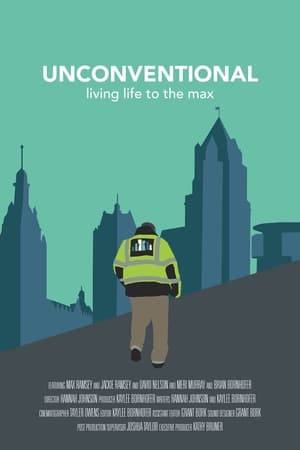
Max Ramsey, an advocate for those experiencing poverty, uses what he has gone through to serve the impoverished community of Milwaukee despite internal struggles and disapproval from the city.
Smithsonian Magazine once asked the rhetorical question, 'Can a weekly paper in rural New Mexico raise enough hell to keep its readers hungry for more, week after week?' The Rio Grande Sun, published in Espanola, New Mexico is considered one of the best weekly newspapers in the country. The Sun is known for its investigative reporting. It broke the story that its own rural community had the highest per capita heroin overdose rate in the country. It has led the fight for open records and open meetings in a county where political shenanigans are the rule. The film follows the Sun's reporters and editors as they write about the news, the sports, the art and culture of a large rural county. John Burnett, an NPR correspondent, reports on the Sun's Police Blotter--'the best in the country.' Tony Hillerman, the celebrated author and newspaper editor, speaks eloquently about the value of community newspapers. The Sun Never Sets is narrated by Bob Edwards, Peabody Award winning news anchor.
Light Breaks Where No Sun Shines
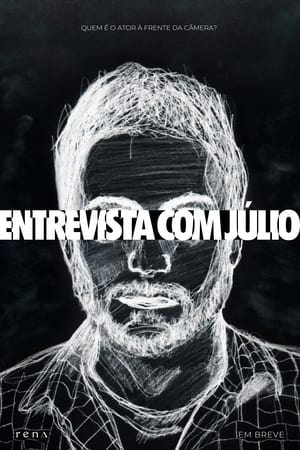
An excerpt about the troubled, passionate and intriguing relationship of an actor with his own life.
An investigation into accusations of teenagers being sexually abused within the film industry.
Finnish filmmaker and artist Sami van Ingen is a great-grandson of documentary pioneer Robert Flaherty, and seemingly the sole member of the family with a hands-on interest in continuing the directing legacy. Among the materials he found in the estate of Robert and Frances Flaherty’s daughter Monica were the film reels and video tapes detailing several years of work on realising her lifelong dream project: a sound version of her parents’ 1926 docu-fiction axiom, Moana: A Romance of the Golden Age.