Since the Taliban returned to power in August 2021, Afghanistan has drawn growing international attention for its enormous reserves of rare earths and strategic minerals essential to the global energy transition. The country is believed to hold more than €1 trillion in resources, including copper, lithium, cobalt, iron, uranium, chromite, mercury, and rare earth elements, as well as valuable gemstones and gold. Often described as the “Saudi Arabia of minerals,” Afghanistan has become the focus of a geopolitical race for supplies. While Europe and the United States remain hesitant to engage with a regime accused of serious human rights abuses, countries such as China, Russia, Turkey, Qatar, Pakistan, and India are already positioning themselves in Kabul to secure access to these critical resources.
Lord Louis Mountbatten arrives in India in March 1947 as Britain's Last Viceroy. He is committed to transfer administrative and authoritative power to an independent and sovereign India. Six months later India indeed was set free, but it had also been partitioned and overwhelmed by an orgy of sectarian violence involving Hindus, Muslims and Sikhs.
Vaastu Marabu documents the theory and practice of the Vaastu tradition of Indian art, architecture, craft and design. One of the foremost shilpis (designer-builder-sculpter) of India, Shri. V. Ganapati Sthapati of Mammallapuram, meditates on his art and his occupation. The film shows the process of making stone idols at Mammallapuram, near Madras, of casting bronzes in Kumbakonam, and of building stone temples at Kamudhi, near Madurai and at Ratnagiri, near Vellore. It illustrates the continuity of the tradition and reveals a technology that is ancient, yet still relevant today. The film explores the process of translating inner experience into art, and invites us to experience the naked beauty of the form while understanding the metaphysical message. The art of the Vishwakarma has given form and expression to all denominations of metaphysical thought in India. The film also probes the underlying scientific and mathematical principles.
By drawing a parallel between the Indian Durga Puja festival and other forms of celebrating the divine feminine, Santa Shakti reveals the Sacred Power beyond languages and religions.
No one in history has ever been so universally adored as Diana, Princess of Wales. In her short life she captivated the world with her beauty, charm and limitless compassion. She challenged the century old tradition of stoic Royal silence and brought a Queen and her people closer than ever before. The legacy of the people’s princess still lives on two decades after her tragic and sudden death. It was her love of life, of people, of those less fortunate and of her children that saw her lead a quiet but powerful revolution that changed the British royal family, forever.
Rumer Godden the 88 year old author is taken back to India, where she lived from 1908-1945 to revisit her unconventional life there and to share with her daughter the experiences which inform all her writing.
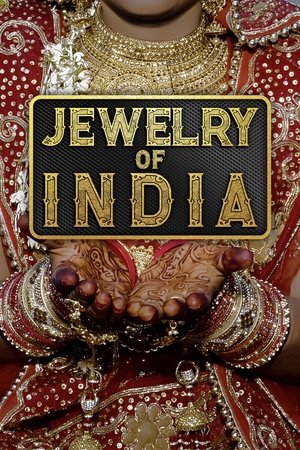
Mother India is home to many castes, tribes and religions and one common factor that brings this diverse country all together is Jewelry. Come explore the deep history and culture of the jewelry of India dating back more than 5000 years. As we explore the history we also take you into Bangalore, India and talk to local Jewelry Stores and Jewelry Artisans as they share their stories and their family history of their involvement in jewelry going far back into their family ancestry.
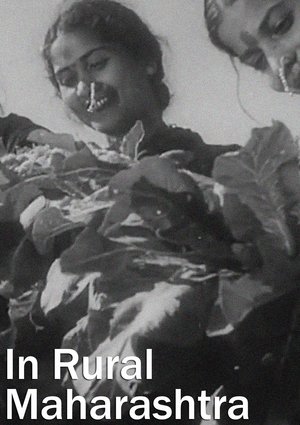
Happy farmers, a wedding and some giant cauliflowers...
In the heyday of the jute industry, millions of people in Bengal made their living doing this laborious work, which has hardly changed since the industrial revolution. The 100-year-old machinery has been endlessly repaired. State aid kept this sustainable alternative to plastic going, but its future looks bleak.
Using home videos recorded by her voice coach, Diana takes us through the story of her life.
Pig, hippo, and elephant footage strung together with narration. Elephants were included even though they are not related to pigs.
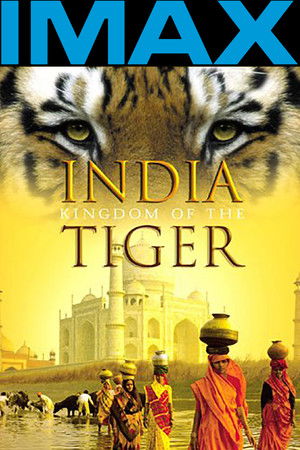
Journey across India, a breath taking land shaped by a myriad of cultures, customs and traditions. Come face to face with the Bengal Tiger and explore the work of this majestic creature with stunning clarity. Soar over blue-hazed Himalayan peaks and sweep down towards the thundering Indian Ocean as we celebrate the power and beauty of India's greatest ambassador - the mighty Bengal Tiger.
A documentary portrait of Calcutta
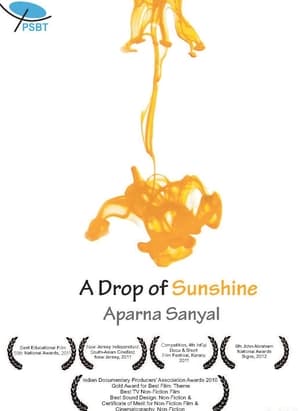
Schizophrenia. It may be one word, but it immediately conjures up multiple connotations. Mad. Incurable. Violent. Suicidal. Chemical imbalances. Crazy. A lifelong condition. Inevitable dependency on Medicines. Dark. Terrible. 'A Drop of Sunshine' challenges these notions. It questions the mainstream view of the condition and seeks alternate ways of recovering from it. Through the powerful story of its young and gutsy protagonist, Reshma Valiappan, it seeks to give viewers a new vocabulary to address the stigmatized mental illness. The film proposes that the only treatment method that can work in Schizophrenia is one where the so-called 'patient' is encouraged and empowered to become an equal partner in the process of healing.
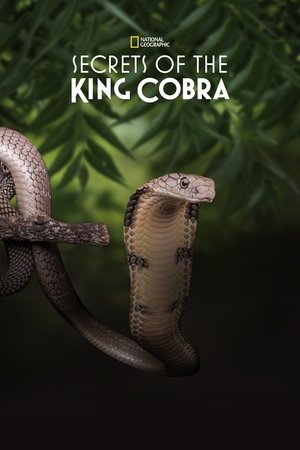
A new scientific expedition follows the King Cobra into the wild for the first time.
The work of a district officer in the province of Bengal.
A short film showing the industrial process of jute works in India.
Botanical gardens in Bombay plus the highly decorative Jain Temple in Calcutta.
The film show the day to day running of the Titaghur Jute company, which is in Bengal on the banks of the river Hooghly. Opening shot 360 degree pan of industrial buildings. 7000 Indian workers are employed, mostly women and children. There parks for the children to play. We follow the process from jute to cloth women working at looms in the factory (very dark), shots of power plant. Schools and workers accommodations. Shots of trains and boats, loading.
La Ve République vue d'ailleurs : Du général de Gaulle à Emmanuel Macron