Hatay
Explores the plans for the construction of the monumental dam on China's Yangtze River, the structure that when completed in 2009 will become the Three Gorges Dam. It is slated to be 610 feet high, 1.3 miles across, creating a reservoir 400 miles and the largest power plant in the world.
The Zambezi is one of the world's great rivers, yet apart from the spectacular Victoria Falls, large parts of its course are virtually unknown. Never before has this mighty river been portrayed so comprehensively on film as in this two-part series. The Zambezi flows through the continent's most magnificent ecosystems and offers a glimpse of all the classic African animal species. It forms a lifeline through Africa's most impressive landscapes and determines the fate of the indigenous people and all other forms of life.
Joseph Vallot, geographer, naturalist and mountaineer born in 1854 in Lodève, was a visionary man, full of humor and whose curiosity was insatiable. He had spent some forty years of his life studying the Mont Blanc massif, sacrificing a good part of his fortune to this multifaceted passion. He was notably the first to demonstrate that one could sleep, work and even do science at an altitude of over 4000 meters, at a time when ascents to the summit of Western Europe were still adventurous expeditions. This documentary tribute follows in his footsteps, via the route taken at the time, on foot from Chamonix via the Grands Mulets refuge to the summit of Mont Blanc to the Joseph Vallot observatory nestled at an altitude of 4400m, with a team of guides, journalists and scientists.
Decolonising the Curatorial Process is a forty-minute documentary which explores decolonial strategies in an academic and curatorial context. The film features academics, activists and practitioners, and contains case studies of institutions that are deploying critical, self-reflective forms of curatorial practice. The Museum of London Docklands exhibition on slavery and the sugar industry is examined as an example of how an institution can decolonise the curatorial process, utilise the work of artists in a museum context, and critically examine East London's imperial history. The Pitt Rivers museum in Oxford, who are working with Maasai activists from Kenya and Tanzania on a project centred on repatriating the museum's collection of sacred Maasai artefacts, also features in the film.
Presents a geographic overview of the Rocky Mountain region. Discusses the significant role that this region of natural resources has played in the development of the continent
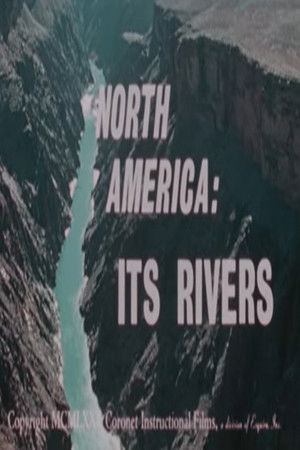
Explores the distinctive features of the major rivers of the continent, and discusses their contributions to the farming, recreation, transportation and hydroelectric power of North America.
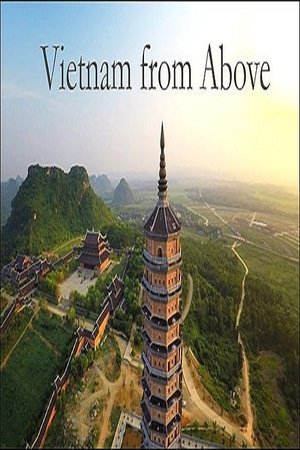
Země jihu – Vietnam
It shows the Neretva river from its source to the shores of the Adriatic Sea. The document also captures the original four-hundred-year-old bridge in Mostar.
Od severu k jihu
Views of the earth from the ground, from a plane and from a space ship show major features of the land, the oceans and the atmosphere.
Although it crosses six countries and is over 3,500 kilometers long, the Zambezi is one of the least known rivers in the world. So it's time to take to the water and discover this mystical, ever-changing river, whose mood changes from day to day, kilometer to kilometer, and which is the very essence of life for millions of animals and people in this often drought-stricken, water-scarce region!
Documentary film about the Czechoslovak natural science group's expedition to Iceland in June 1948.
Echoes from the Tian Shan
Magie Venezuely
Domažlicko
This short-length documentary takes us to Agadir, a city in Morocco that was struck by an earthquake in 1960. The film, made by an expatriate Moroccan who lost family and friends in the disaster, is a memorial to that tragedy and to the past he left behind when he came to North America. Partly allegorical, it employs varying techniques to offset reality from fantasy sequences.
A New Yorker journeys to the jungle in the Darien Gap of Panama to reconnect with an indigenous tribe he met and photographed 20 years ago. Their reunion highlights the profound power of photos and the human connection that transcends cultural barriers.
The film deals with the process of globalization based on the thought of geographer Milton Santos, who through his ideas and practices, inspires the debate about Brazilian society and the construction of a new world. Santos discusses his views on the importance of respecting difference and his belief that an alternative globalisation model could wholly enfranchise all citizens of the world. An illustrious presence in 20th century social sciences, the man dubbed as ‘geography’s philosopher’ eloquently elucidates a developing world perspective on the global age.
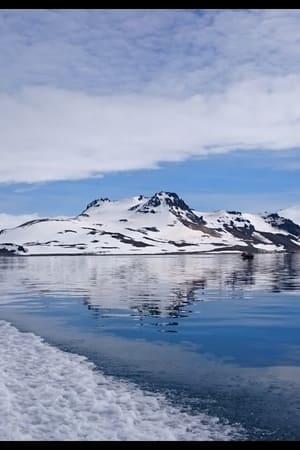
Antártica: O Continente dos Extremos