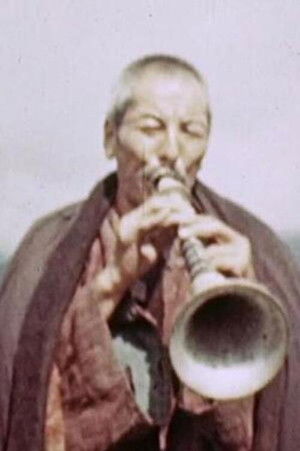
Traditional games, dancing and music among the people of Sikkim - in vivid colour.
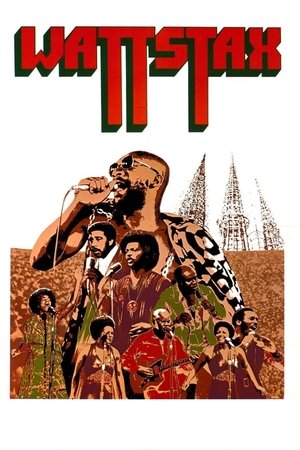
A documentary film about the Afro-American Woodstock concert held in Los Angeles seven years after the Watts riots. Director Mel Stuart mixes footage from the concert with footage of the living conditions in the current-day Watts neighborhood.
Film of local events in Ajmer province including the fair at Pushkar.
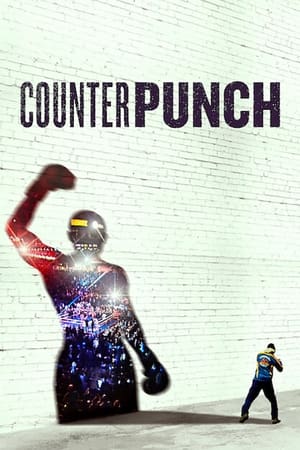
As boxing's popularity wanes, three fighters at different stages of their career make sacrifices to pursue their dreams of becoming champions.
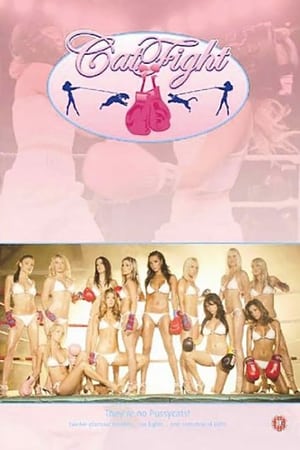
Twelve top glamour models spent time in Tenerife learning to box in a grueling 'Boxing Boot Camp'. The result of weeks of blood, sweat and a lot of tears was six bouts of boxing as the girls went head-to-head in front of a packed London crowd.
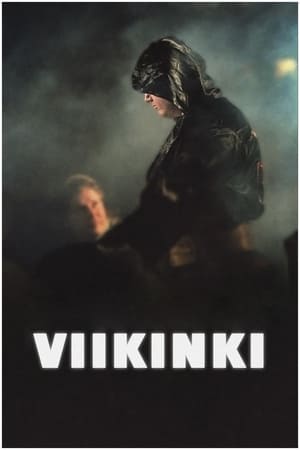
Documentary film about Tony Halme, masculinity and populism. The film follows how Tony Halme created a mythical, highly masculine freestyle wrestling character, The Viking, who gained fame both in the ring and in the public eye and eventually became captivated by it. With his brash speeches, Halme fired the starting shot for the rise of the Finns Party. The voice of a forgotten section of the population, a protest against the ruling elite, were the building blocks of Halme's popularity. Halme's great popularity has served as a good example of a populist figure, admired within the deep ranks of the nation, who comes from outside the political elite and changes the direction of politics. Also, despite - or perhaps because of - his openly racist statements, he was part of changing the political climate in Finland to a more acrimonious one.
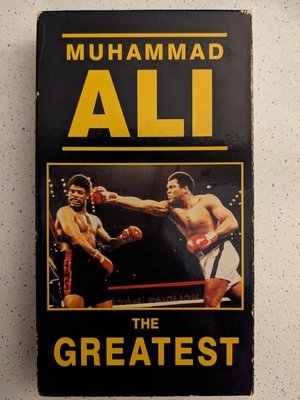
This video traces the life and career of Muhammad Ali, the man who was born to fight. He started boxing at age 12, and by age 18, had over 100 amateur fights. Starting with his first professional fight, you'll see highlights of all his important fights with opponents such as Archie Moore, Sonny Liston, Oscar Bonavena, Joe Frazier, Ken Norton, George Foreman, Leon Spinks, Larry Holmes, etc. His fights with Uncle Sam over his conscientious objection to the war and the stripping of his title. His sparring with the press (which he learned to manipulate and use to his advantage) in his many interviews. His religious beliefs that led him to chance his name from Cassius Marcellus Clay to Muhammad Ali. But no matter what name he was called by, "Gassius" Clay or "Motor Mouth," he will always be remembered as a "CHAMPION" in and out of the ring. So sit back and enjoy this one of a kind video. IT'S THE GREATEST!!!
A documentary about traveling fairs in Spain.
Short film about racism.
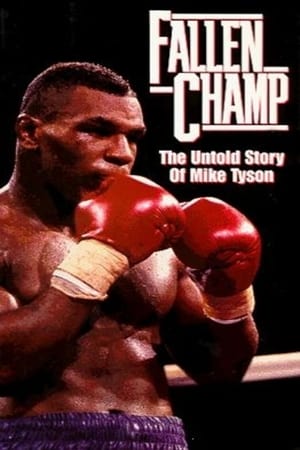
Fallen Champ: The Untold Story of Mike Tyson is a 1993 film made by acclaimed American documentary filmmaker Barbara Kopple. Though Tyson was in jail serving a sentence for rape, Kopple used existing interviews with the boxer, as well as her own extensive interviews with those closest to Tyson, to explore the man's history. The film traces Tyson's story from his troubled and tumultuous upbringing, through his rapid ascendancy in the ranks of the boxing world and his subsequent struggle with the trappings of fame. Fallen Champ earned Barbara Kopple a Directors Guild of America award as Best Documentary Director of 1993.
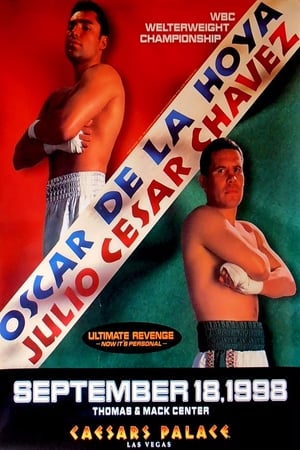
Billed as "Ultimate Revenge", on September 18, 1998 for the WBC and lineal welterweight championships.
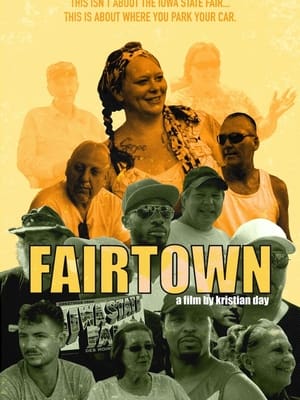
The Iowa State Fair draws millions of people to the city of Des Moines every year. However, this film is not about the Iowa State Fair or the people who attend. It's about where they park their cars. Inspired by the classic documentary, "Heavy Metal Parking Lot".
After winning his second Olympic gold medal at the 1976 Montreal games, Cuban boxer Teófilo Stevenson was at his peak. American promoters offered him $5 million to turn pro and challenge world heavyweight champion Muhammad Ali. Stevenson refused the offer, asking "What is one million dollars compared to the love of eight million Cubans?"
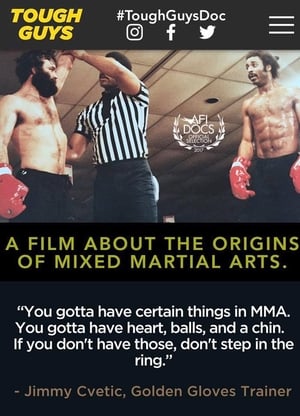
10 years before the debut of the Ultimate Fighting Championship. In 1979, Bill Viola and Frank Caliguri dreamed up a contest pitting barroom bigmouths against wrestlers, martial artists, boxers, bouncers and brawlers, billed as no-holds-barred new type of competitive fighting. When the fights succeeded beyond their wildest expectations, they were swept up in a chain of events that ended in the first mixed-martial arts ban in the nation. “Tough Guys” chronicles the inception of Caliguri and Viola’s first bouts and the colorful, crazy cast of fighters who made them a hit as well as the politicians who brought it all crashing down. The film brings to life a moment when the national martial arts craze was building to a crescendo as the economies of Pennsylvania steel towns were plummeting to levels of unemployment never seen, breeding desperate men looking for a chance to prove their worth and make some money in the ring.
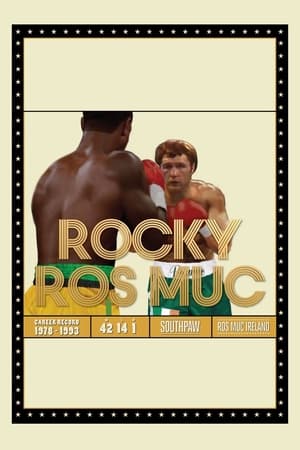
The story of boxer Sean Mannion, born in the 1950s in Ros Muc in county Galway, Ireland, his boxing career, his emigration to America and the effect it had on him, his brush with organized crime in Boston.
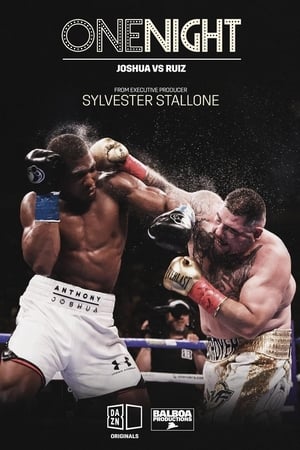
'One Night: Joshua vs. Ruiz' is a comprehensive look at the night Andy Ruiz pulled off the biggest boxing upset in decades.
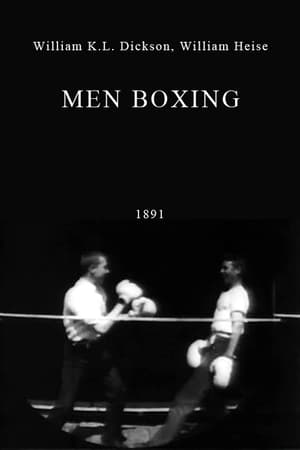
Experimental film fragment made with the Edison-Dickson-Heise experimental horizontal-feed kinetograph camera and viewer, using 3/4-inch wide film.
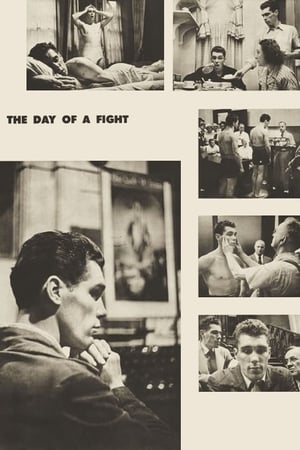
Stanley Kubrick’s debut documentary, following Irish-American middleweight boxer Walter Cartier on April 17, 1950—the day of his bout with Bobby James. The film traces Cartier’s quiet morning rituals, training, and anxious hours before the match, culminating in his swift victory that night in Newark. Opening with a brief history of boxing, Kubrick’s tightly crafted short captures the discipline, isolation, and tension behind a fighter’s daily routine.
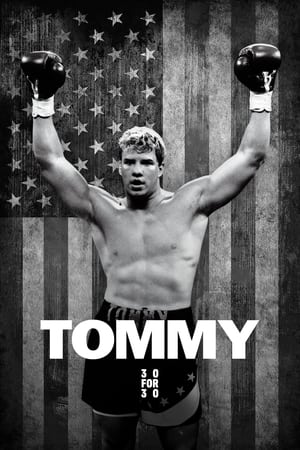
Co-directed by Gentry Kirby and Erin Leyden, “Tommy” examines Morrison’s remarkable rise to the spotlight, followed by a stunning, confounding, and ultimately tragic fall. He was one of the best heavyweights of his time; a handsome, charming, yet unsettled young star. Born into a troubled family in America’s heartland, Morrison’s initial emergence as a fighter was bolstered by a starring role in “Rocky V.” A few years later he beat George Foreman for the WBO heavyweight title, and seemed primed for more stardom, even in the face of blown opportunities and upset losses. But everything changed in early 1996 when he tested positive for HIV, abruptly forcing him into retirement at age 27. From there, Morrison’s life spiraled further and further downward, plagued by drug problems, jail time, and an eventual denial that he had the virus at all.
Ijó Dudu: Memórias da Dança Negra na Bahia