Jeffery Robinson's talk on the history of U.S. anti-Black racism, with archival footage and interviews.
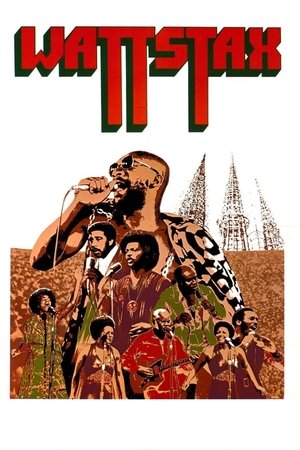
A documentary film about the Afro-American Woodstock concert held in Los Angeles seven years after the Watts riots. Director Mel Stuart mixes footage from the concert with footage of the living conditions in the current-day Watts neighborhood.
Actuality film. Late 19th century General Officer ranks and higher cross to a ship over a gangplank. As VIPs they meet some people which we don't get to see, then cross back again, getting caught in a crowd melée at the top of the stairs from the quayside.
Paris Black Night
The story of black and mixed race people in Nazi Germany who were sterilised, experimented upon, tortured and exterminated in the Nazi concentration camps. It also explores the history of German racism and examines the treatment of Black prisoners-of-war. The film uses interviews with survivors and their families as well as archival material to document the Black German Holocaust experience.
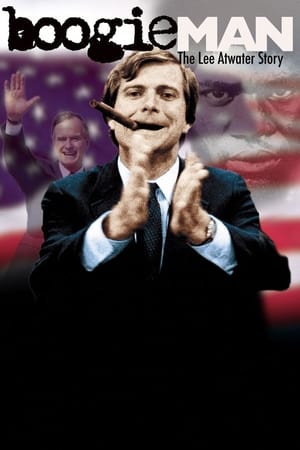
Boogie Man is a comprehensive look at political strategist, racist, and former Republican National Convention Committee chairman, Lee Atwater, who reinvigorated the Republican Party’s Southern Strategy to increase political support among white voters in the South by appealing to racism against African Americans. He mentored Karl Rove and George W. Bush and played a key role in the elections of Reagan and George H.W. Bush.
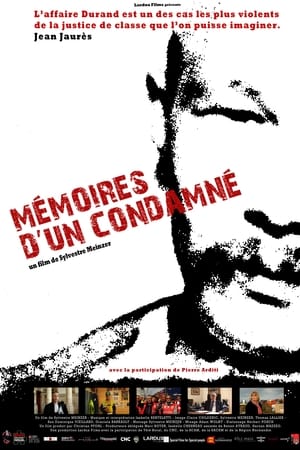
Mémoires d'un condamné
Stephen Dwoskin brings together members of the Ballet Negres dance company, founded in London in 1946.
On March 1, 1996, 15-year-old Shafeeq Murrel was killed on the street in South Philadelphia — innocently caught in the crossfire between rival pairs of crack dealers out for revenge. Shafeeq’s murder was one of 435 in Philadelphia that year, and it was soon shelved as a cold case. Then, detectives David Baker and Julie Hill took it on— two middle-aged white cops working a Black neighborhood in their battered Plymouth Gran Fury. Filmed like a taut police procedural, THE SHOOTING ON MOLE STREET chronicles the investigation, as Baker and Hill knock on doors, shake down dealers, and beg, threaten and cajole residents in an effort to get someone — anyone — to talk. Baker rejects any accusation of police racism in the unsolved murders of young Black men. Isn’t he out here trying to close the case? But racism is more complicated than intent.
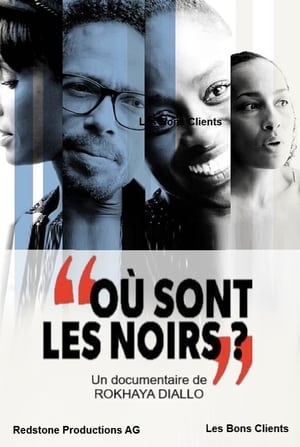
French actors Lucien Jean-Baptiste, Aïssa Maïga, Sonia Rolland, Deborah Lukumuena, Marie-France Malonga, Gary Dourdan and others speak up on the reality of black actors in the French movie industry.
Ijó Dudu: Memórias da Dança Negra na Bahia
Early 90s London gets a vibrant dose of African culture in this mini odyssey fusing dance, music and fashion.
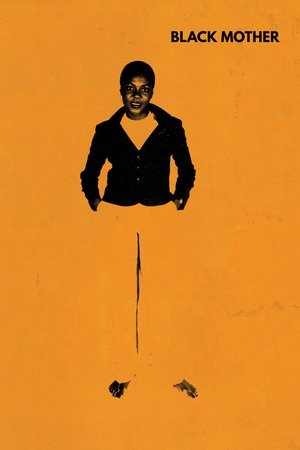
Part film, part baptism, in BLACK MOTHER director Khalik Allah brings us on a spiritual journey through Jamaica. Soaking up its bustling metropolises and tranquil countryside, Allah introduces us to a succession of vividly rendered souls who call this island home. Their candid testimonies create a polyphonic symphony, set against a visual prayer of indelible portraiture. Thoroughly immersed between the sacred and profane, BLACK MOTHER channels rebellion and reverence into a deeply personal ode informed by Jamaica’s turbulent history but existing in the urgent present.
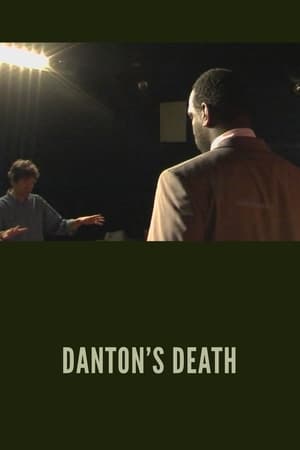
Steve, a 25-year-old Black man from the Paris suburbs, seeks to escape the violence of his immediate surroundings by training to become an actor at one of France’s most prestigious drama schools. But soon he discovers that the theater world is only interested in having him inhabit “Black” roles.
"PUSHOUT" is a feature length film confronting the criminalization and miseducation of African American girls that has led to their alarming high school dropout rate and increase into the juvenile justice system.
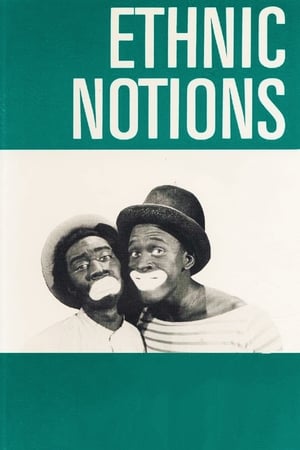
This documentary traces the deep-rooted stereotypes which have fueled anti-black prejudice.
Nocturnal life in the partly deserted dock area of Amsterdam. Director Marjoleine Boonstra encounters lone wolves, leading secluded lives in makeshift shelters, and people that work as pilots, night watchmen or skippers. According to a young pilot `it was actually like a dream', working by the IJ river at night. And this is what it looks like: a dream world. Between interviews, Boonstra makes her camera glide through the area, along the quay, across the water, along cranes, containers and sea-going vessels. A world of lamps, reflections and shadows. In this landscape of stone and metal, an extraordinary group of individuals lives and works. For example, an English woman cleans up a submarine for a party, a refugee from former Yugoslavia has created a place for himself and a night watchman has to `see to it that that boat stays where it is'. Peaceful music emphasises the relative quiet, in which the interviewees reflect on their lives and the harbour.
The Other Side of the Atlantic is a documentary that builts a bridge in the ocean that separates Brazil and Africa. The film tackles the cultural exchanges, the imaginary created through the mirroring, the prejudice and dreams built in both sides of the atlantic through the life stories of the students of african countries in transit through Brazil.
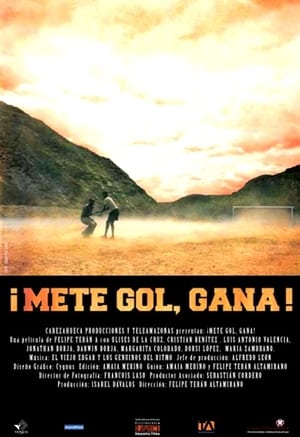
Jonathan and Romario are two Afro-Ecuadorian children from the Chota Valley, one of the poorest regions of Ecuador. Their fate can be one of two: to become world-class footballers like Ulises de la Cruz, Chucho Benitez and Antonio Valencia, or farmers like Darwin. This documentary reveals the lack of opportunities, discrimination, and economic and social segregation that black communities face in Ecuador.
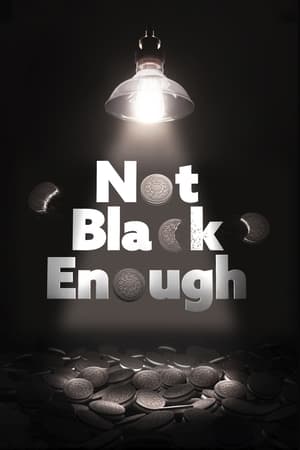
A deep look at the class warfare and the contradictions that African-Americans face within their own community when many of them are ostracized because they are “not black enough.” An analysis of the reasons behind these absurd acts of hatred.